Civil War in Indian Territory Trunk
The Civil War in Indian Territory trunk from the Oklahoma History Center Museum gives learners hands-on access to the kind of materials used by soldiers and civilians during the Civil War era. Read about the included items below.
Trunk Topics Request a Trunk Checkout Process
Books and Media
Included in the trunk are several books and videos that provide information concerning different Civil War topics. Some notable mentions are The Wit and Wisdom of Abraham Lincoln, Tribal and Civil War Battlefield Sites in OK, and Great Maps of the Civil War.
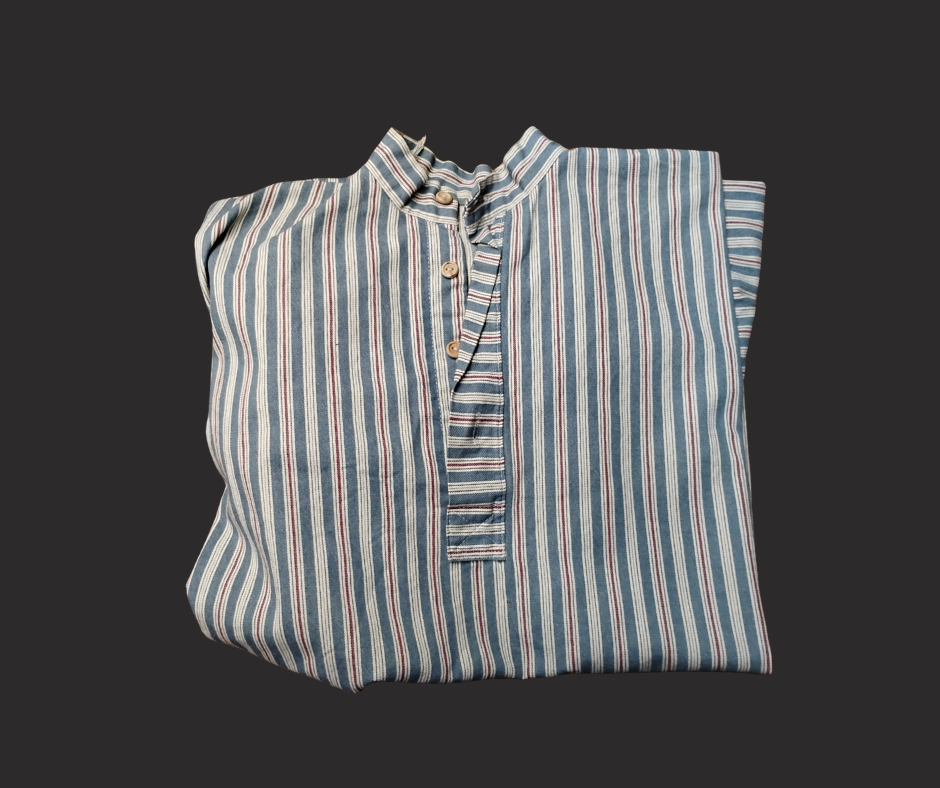
Shirt
The soldier always carried an extra shirt, which he would purchase from a sutler, a traveling general store that followed the armies and sold personal items to the troops. It was the soldier’s responsibility to buy all shirts, as they were not part of the government-supplied uniform. Cotton shirts were not as plentiful as shirts called “linsey-woolsey,” a combination of linen and wool.
Cartridge Box
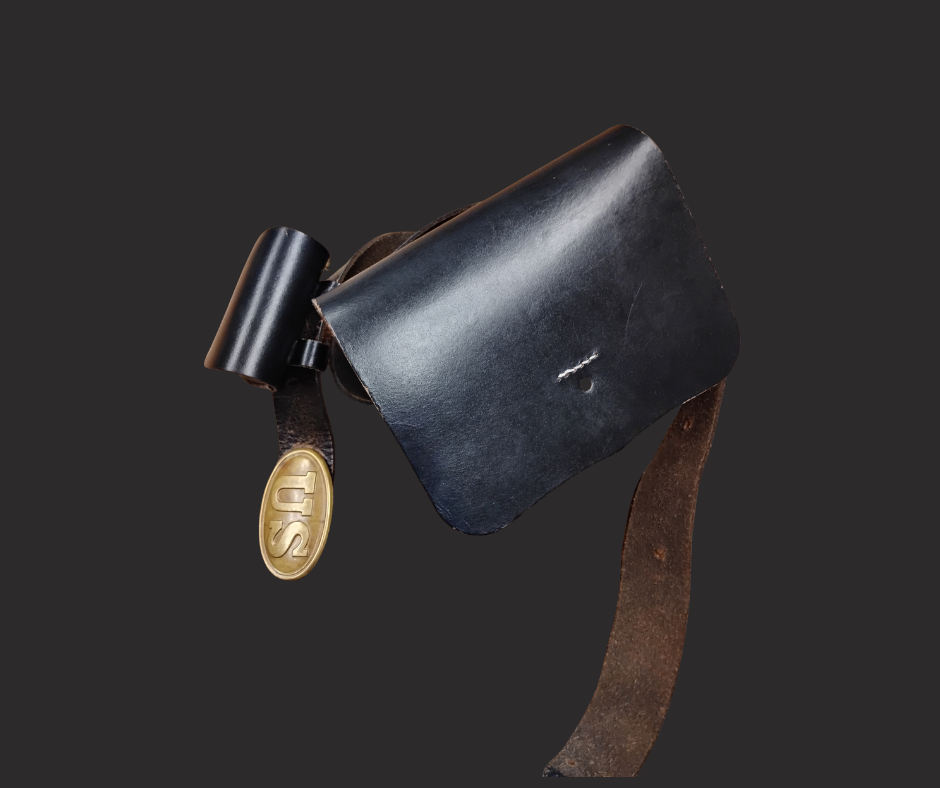
A sturdy bag would hold the cartridges and bullets a soldier needed to engage in combat effectively. The bag contains two boxes, each of which holds up to twenty prepared cartridges.
Cap Box
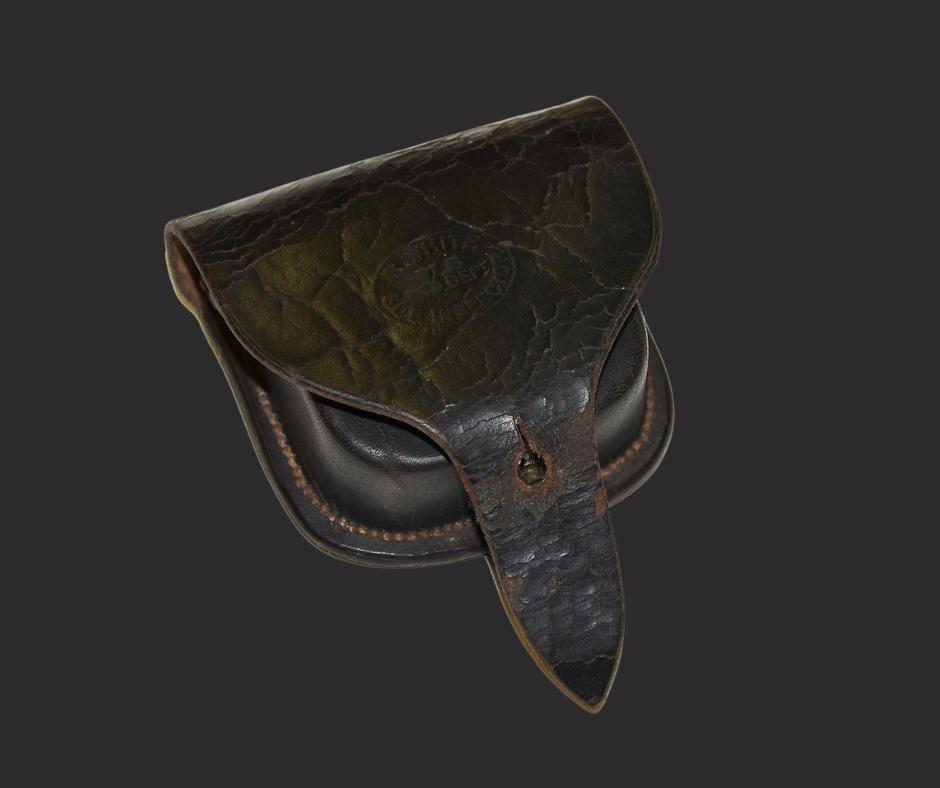
This small bag contained firing caps, which were necessary to operate most Civil War–era firearms. Caps were used to ignite the gunpowder, which then propelled the bullet. The cartridge box and cap box were often worn close to each other to expedite the soldiers’ preparation time.
Various Soldiers’ Papers (10)
Soldiers would often carry personal items alongside their military papers. This collection gives a sampling of the types of papers a soldier might carry with him:
- Headquarters Pass: Soldiers were required to carry a written pass to travel anywhere off the fort or outside their camping area.
- Ration Card: Rations were issued every three days, and the soldier was required to have written proof that he did not get more food than was prescribed by orders. The pass comes from Fort Washita on the Red River.
- Money: Union money came from a variety of sources, including state and local banks and the federal government. The average private earned 13 dollars a month.
- Religious Tract: Soldiers were given tracts to read just prior to battles and while in camp. The tracts came from a number of different faiths and were paid for by private organizations.
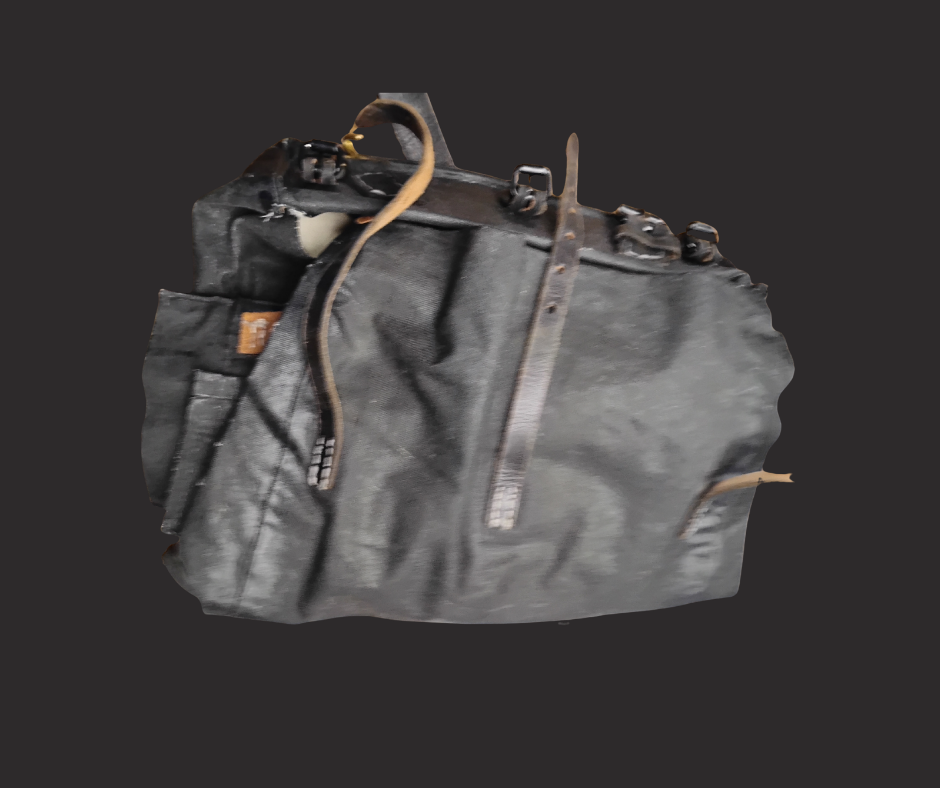
Knapsack
A Civil War knapsack for the Union Army contained personal effects and came in either the double bag or wood-framed hard-side variety. Confederates used a soft canvas knapsack captured from the Union Army or even resorted to a blanket roll to carry their personal belongings. The knapsack was made of canvas that was painted or “tarred.” The knapsack was heavy and hot, and often soldiers threw them away and adopted the blanket roll.
Haversack
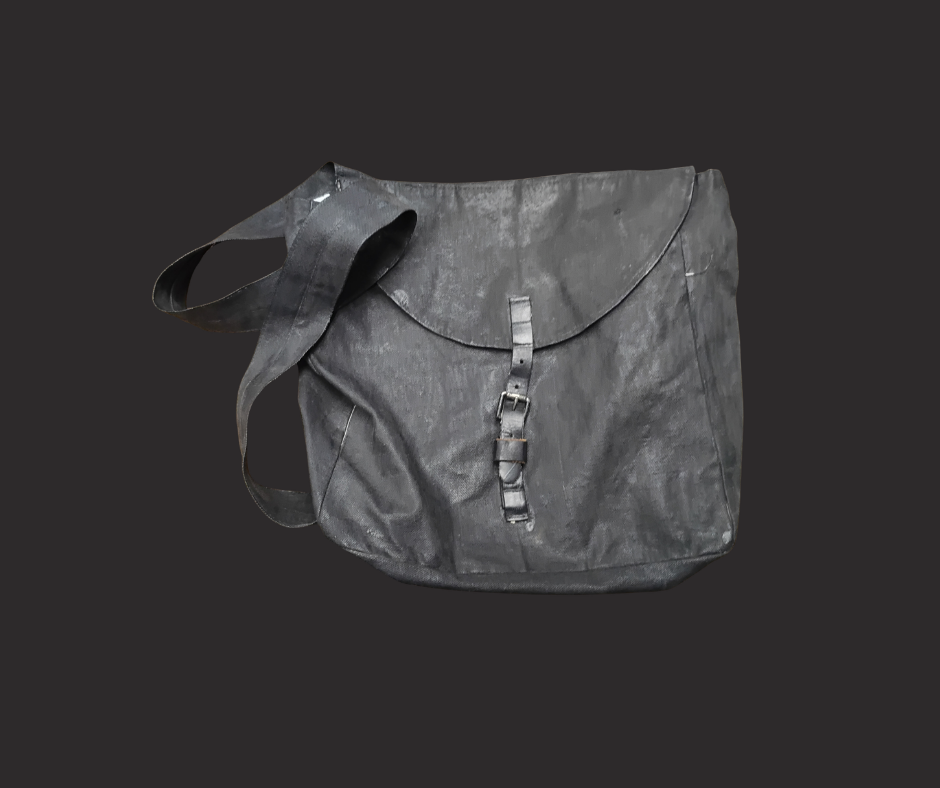
Similar to the modern-day backpack, the haversack was a Civil War soldier’s catch-all. Haversacks often contained items such as rations, personal effects, tools, entertainment items, and fighting equipment. The contents of a haversack differed depending on the individual soldier’s circumstances.
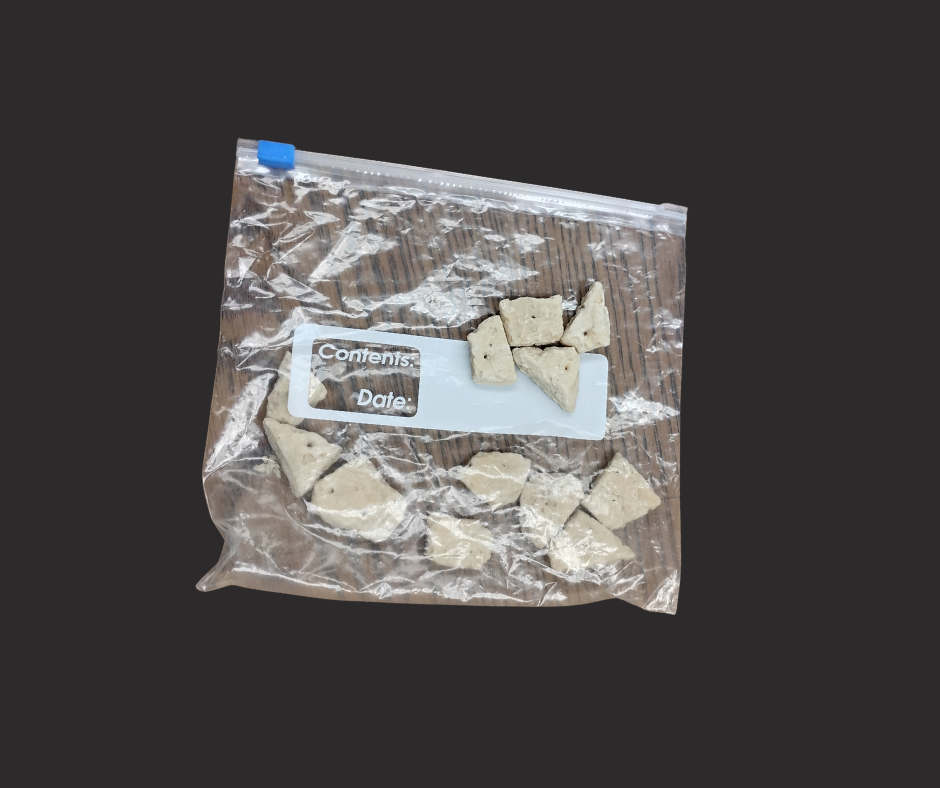
Hardtack (in bag)
Hardtack is a simple flour and water cracker that gained prominence in the Civil War for its cheap manufacture, astounding longevity, and terrible taste. Without refrigeration and other modern food-saving technologies, most food would only remain fresh for a short while. Hardtack, however, remained edible for long periods of time. The downside to hardtack’s longevity was the solid consistency. Hardtack was often called “sheet iron” or “molar breakers,” and soldiers would often have to smash, soak, or gnaw it before it could be properly eaten.
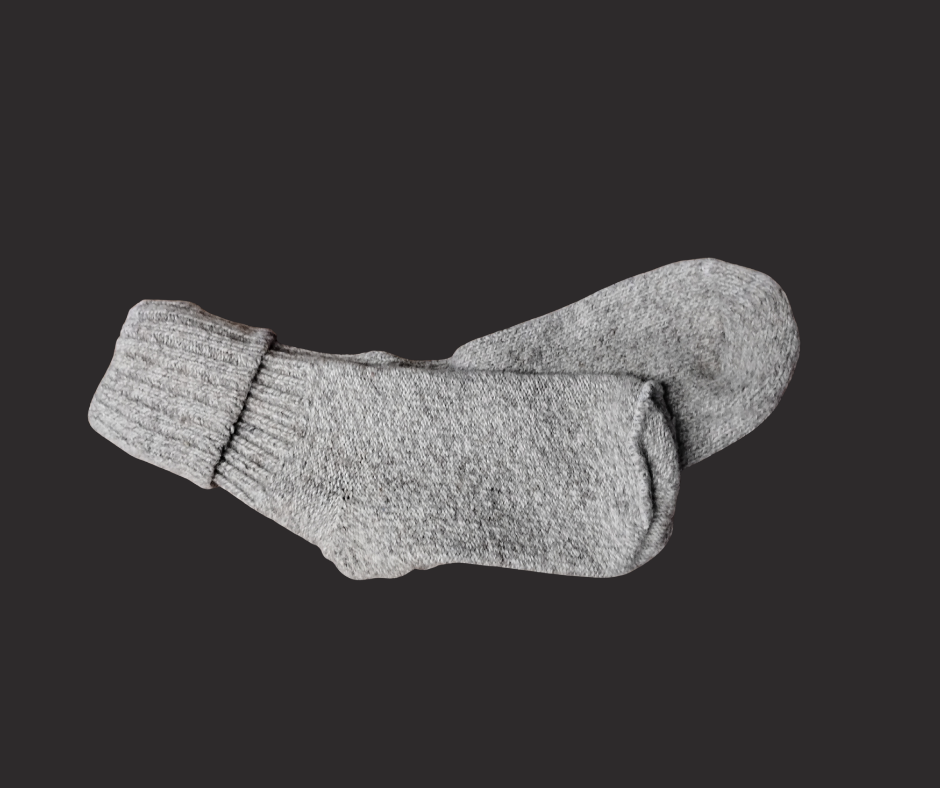
Wool Socks
The soldier kept an extra pair of socks, usually wool, in his knapsack. These extra socks were not a luxury, as an infantryman’s feet would suffer from inadequate footwear and no socks. The soldier knew the value of clean feet and clean socks.
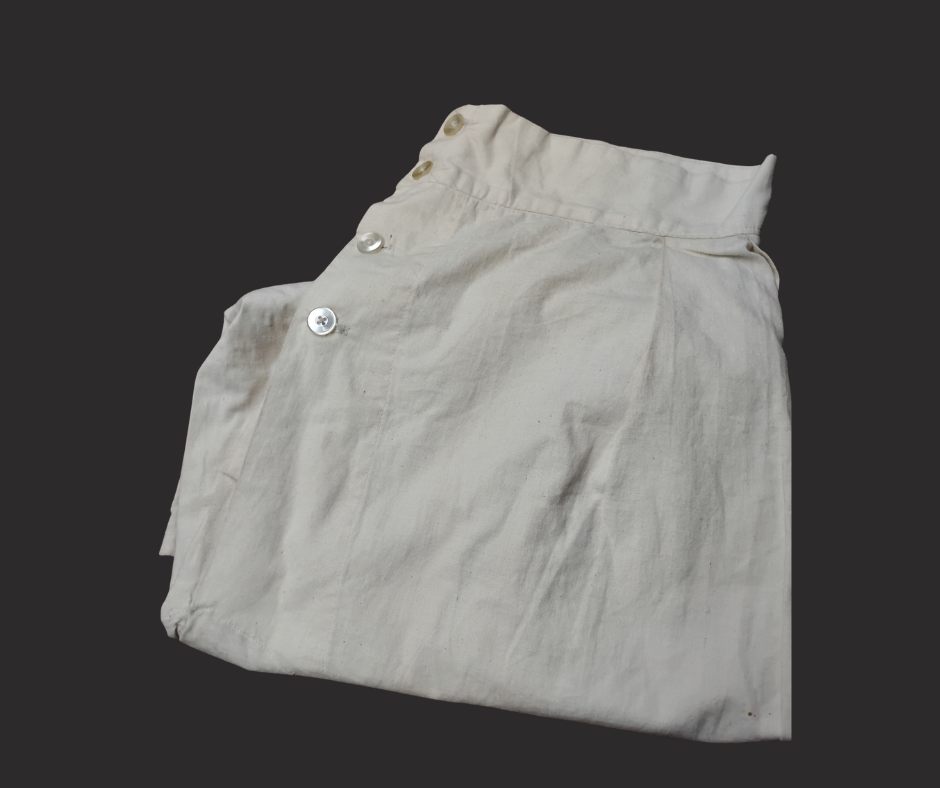
Men’s Undergarments
Used both to protect wool pants and to provide warmth during the winter months, drawers served as the soldier’s underwear in this era. The Union and the Confederacy did not issue a particular type of drawer, so the material varied: flannel, muslin, and cotton were the most common. Extra drawers were not available to the soldier, so the pair included with their uniform would be their one and only pair.
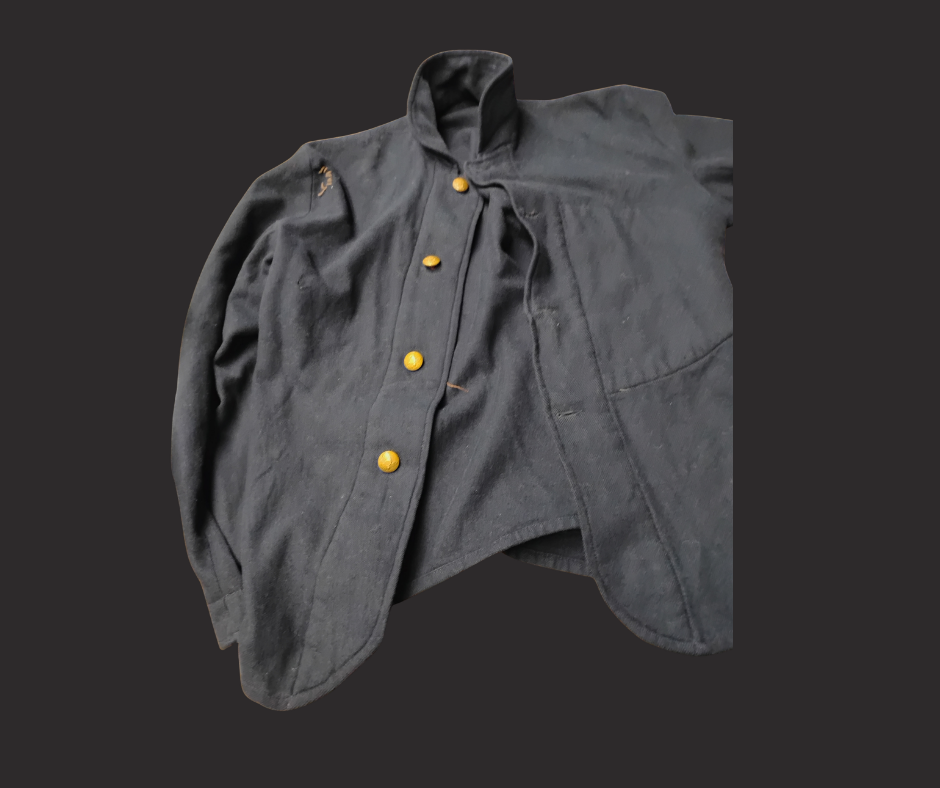
Uniform Coat
The uniform coat is the defining piece of clothing soldiers wore. It wasn’t always that way, however. At the beginning of the war, soldiers wore an assortment of different colors and styles of clothing. In many cases, soldiers would wear the color predominantly used by the enemy, causing confusion and several instances of friendly fire. As the war progressed, the two governments standardized their respective uniforms. Union troops typically wore frock jackets made of wool because cotton was no longer easy to import. The uniforms of the Confederacy varied by state, as the state governments set the uniform regulations, but generally the uniform consisted of a cotton frock coat that was grayish-brown in color.
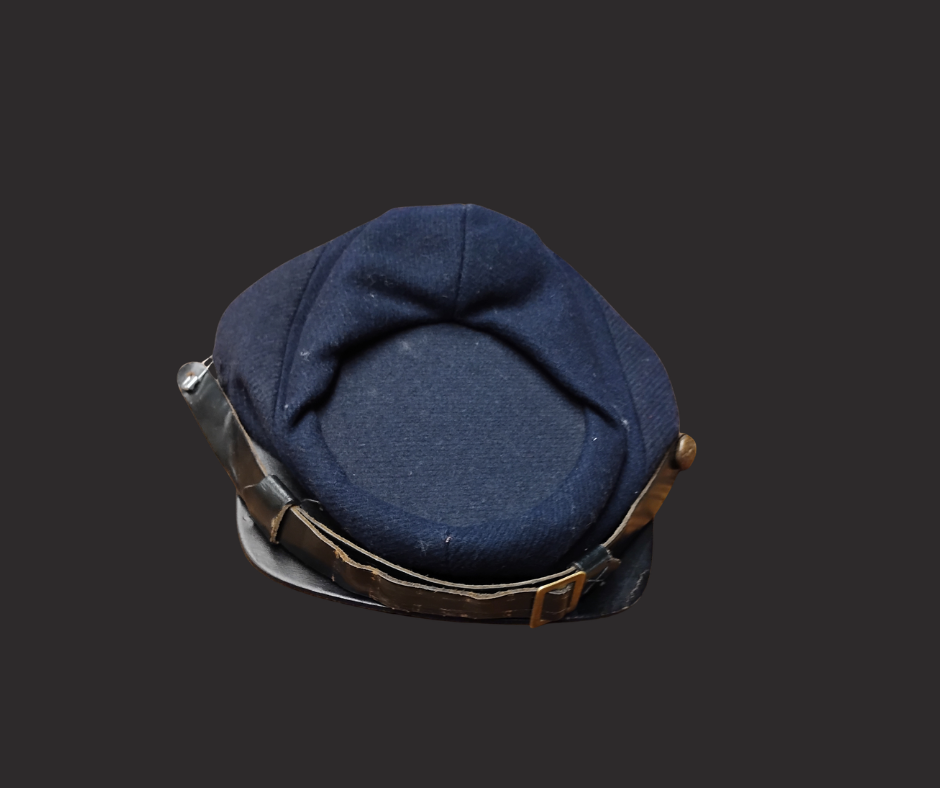
Kepi (Hat)
Originating in France, the kepi hat is the most recognizable Civil War headwear. Despite the lack of environmental protection, the kepi became widely used by both the Union and Confederate armies. Kepis were constructed bearing different colors and insignias to easily identify the role of the soldier.
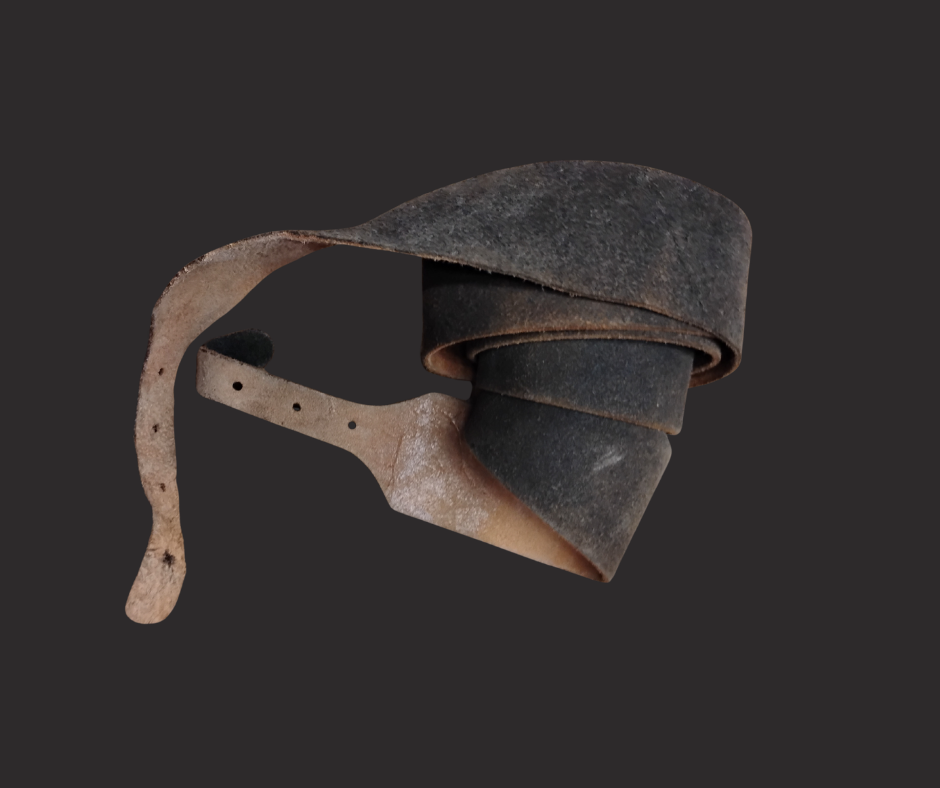
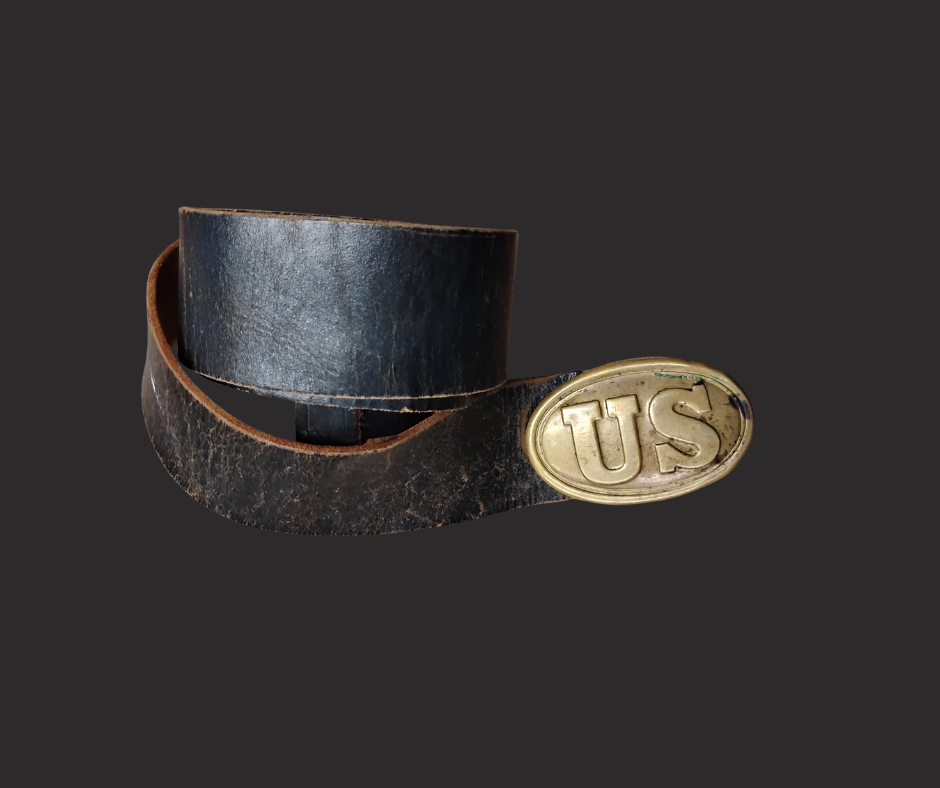
Belts (2)
A belt was used to secure a soldier’s trousers, which likely didn’t fit well and were in a state of disrepair. The belt also tucked the uniform tightly at the waist, leaving the soldier free of the entanglement of loose clothing. The buckle is brass and is stamped with US. This buckle would have been relatively common among the Union Army. The Confederate Army would have had buckles stamped with the initials of an individual state.
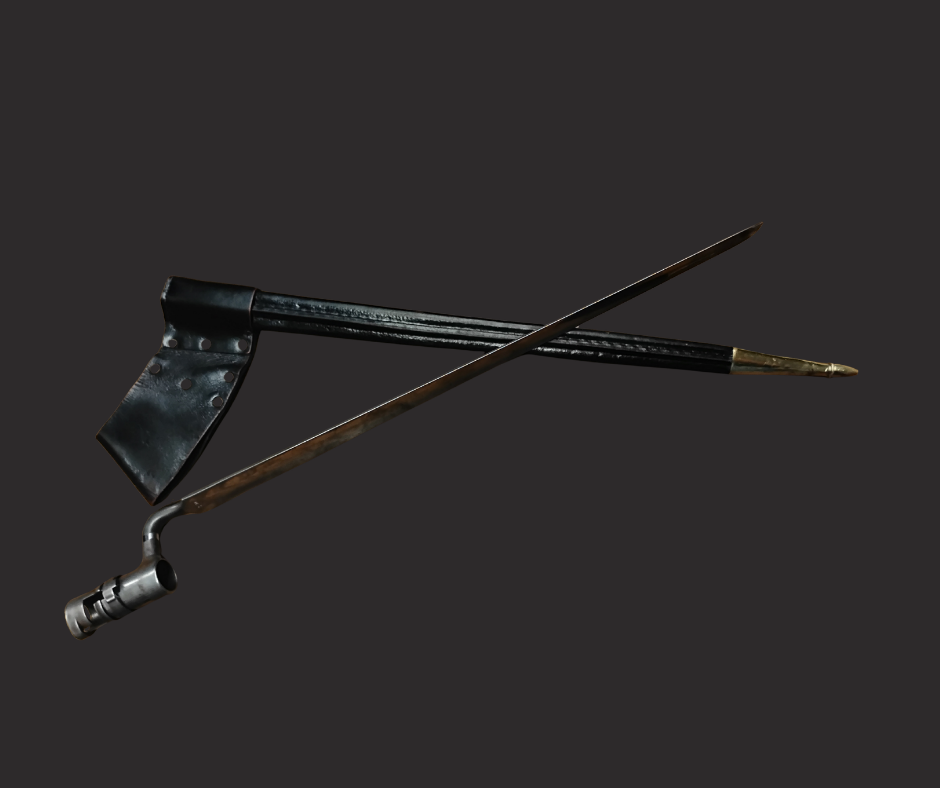
Bayonet and Scabbard
The bayonet was used regularly in the Civil War, but often not in the manner for which it was invented. Bayonets served as physical and psychological tools of war but were also used as cooking utensils, tent stakes, and for other peaceful purposes.
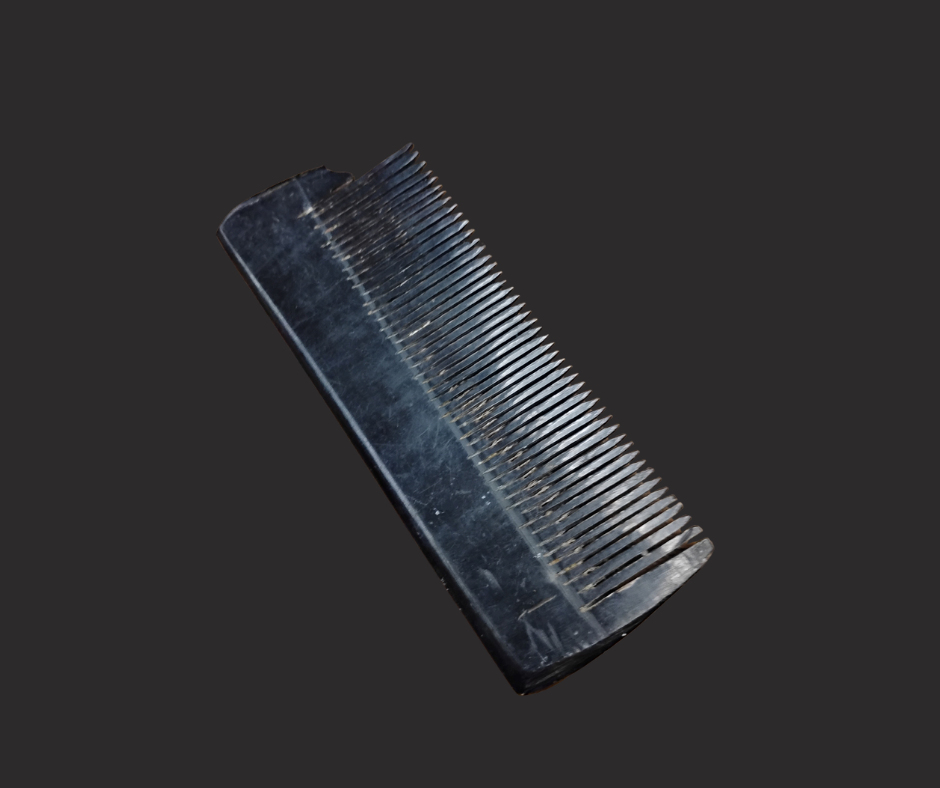
Comb
The comb was a useful tool not only for presenting a respectful appearance, but also for helping rid the scalp of various bugs and other crawling vermin that infested every camp area during the Civil War. Lice, a common plague to the soldiers, could not be removed unless the teeth of the comb were really narrow. Combs were also made of wood and hard rubber.
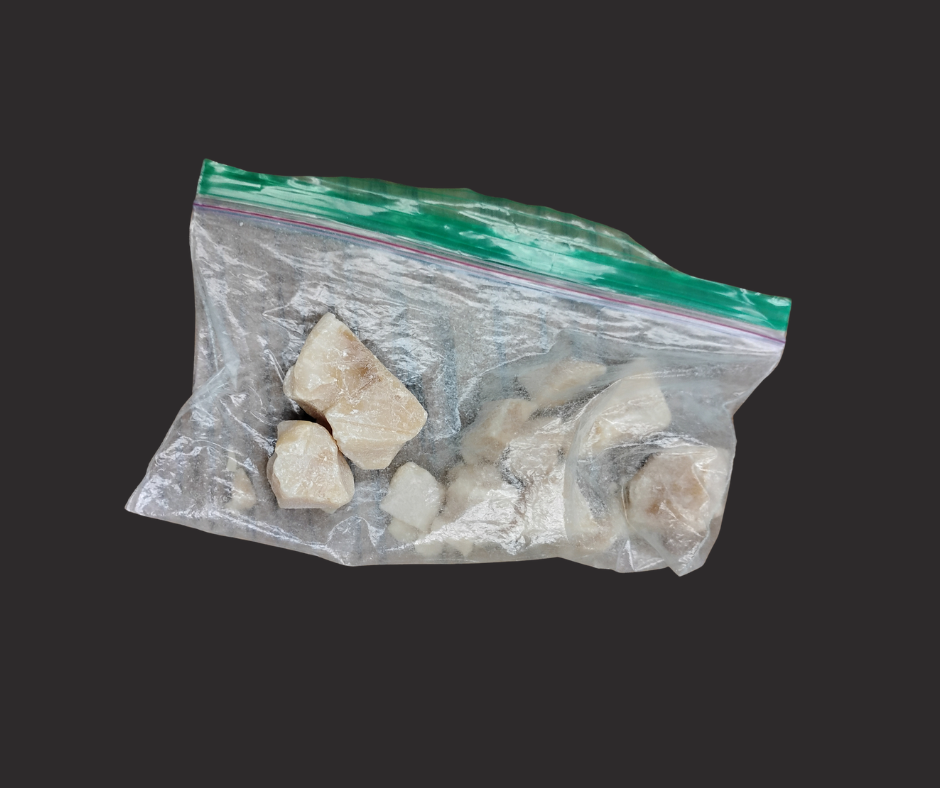
Soap
Soap during the Civil War was not the sweet-smelling, gentle soap of today; instead, it was made with fat, vinegar, ashes, and lye. It was guaranteed to get you clean if you did not mind some of your skin sloughing off with dirt. Clothes washed with lye soap fared little better than the soldier’s body. Many soldiers were convinced that if you washed off too much surface dirt and grime, you invited disease into the open pores.
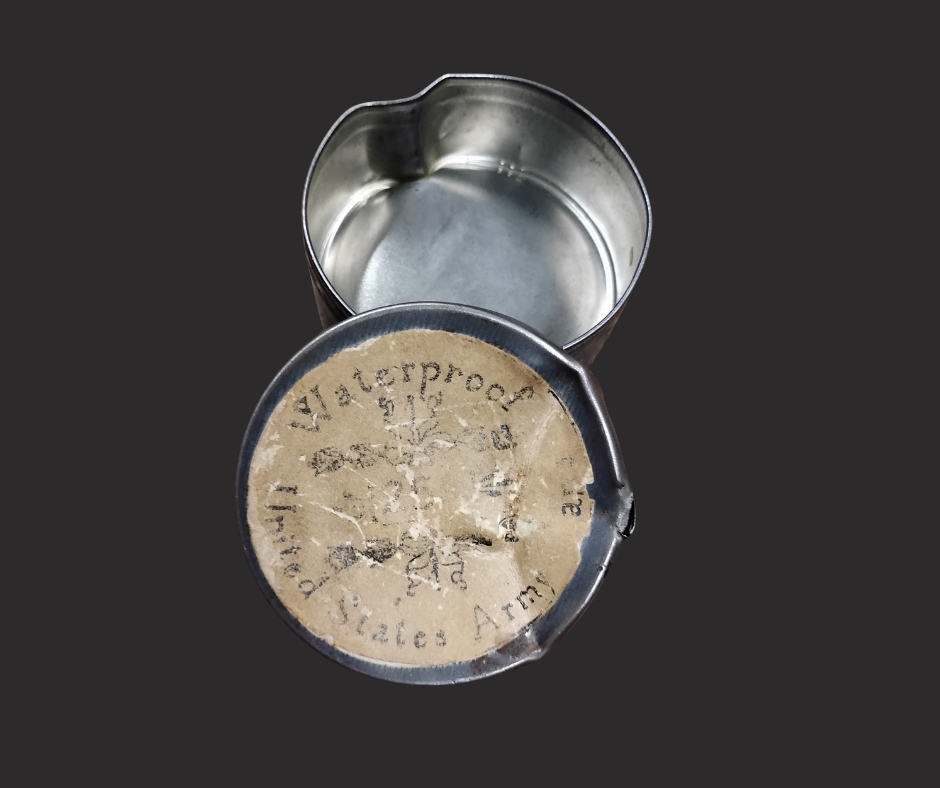
Tin
Ordinarily, the cap tin contained 100 caps, which were used to fire the musket. After the caps were used up, the soldiers would keep the valuable tin, which could hold tooth powder, gun-cleaning rag patches, matches, or the musket worm.
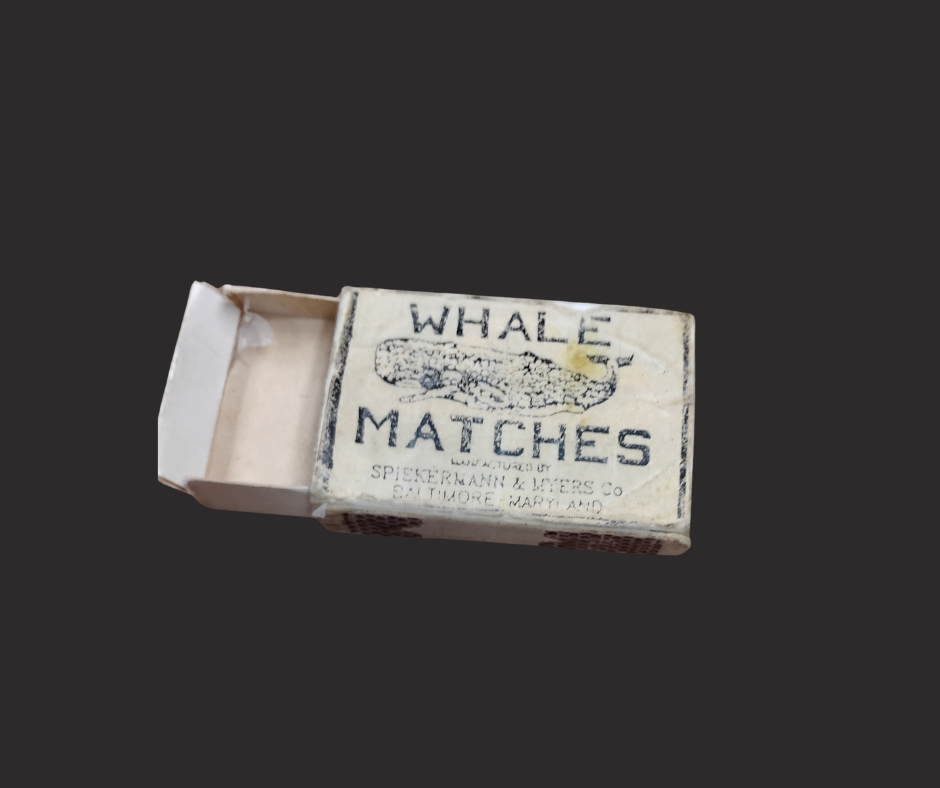
Matches
Matches were given the name “Lucifers” for the sulfuric smell that they gave off when struck. Originally, matches in the Civil War came in a “brick” of twelve that were joined together and had to be broken off when ready to use. Individual matches were often carried in a metal container called a “match safe” that kept them from being broken or getting wet in the knapsack.
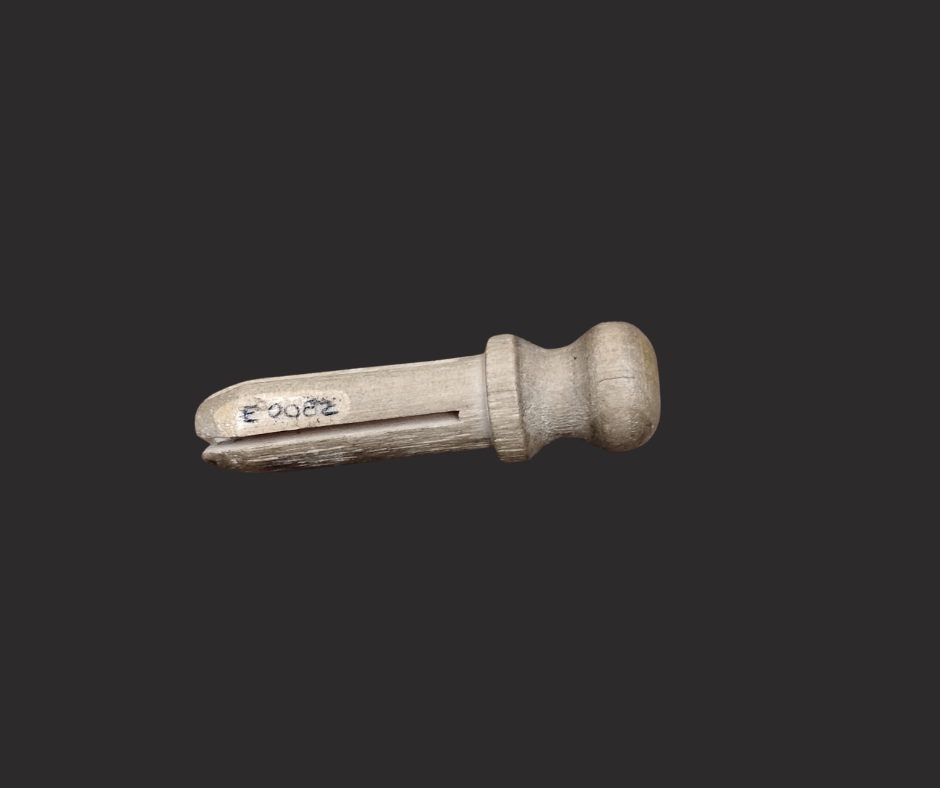
Barrel Tampion (looks like a wooden knob)
The barrel tampion was used to plug a musket or rifle when not in use. The tampion helped keep the barrel dry and clean, reducing the risk of damage to the inside of the gun barrel and the time soldiers spent maintaining and cleaning their weapons. In many instances, soldiers would fashion their own tampion by carving twigs and small branches.
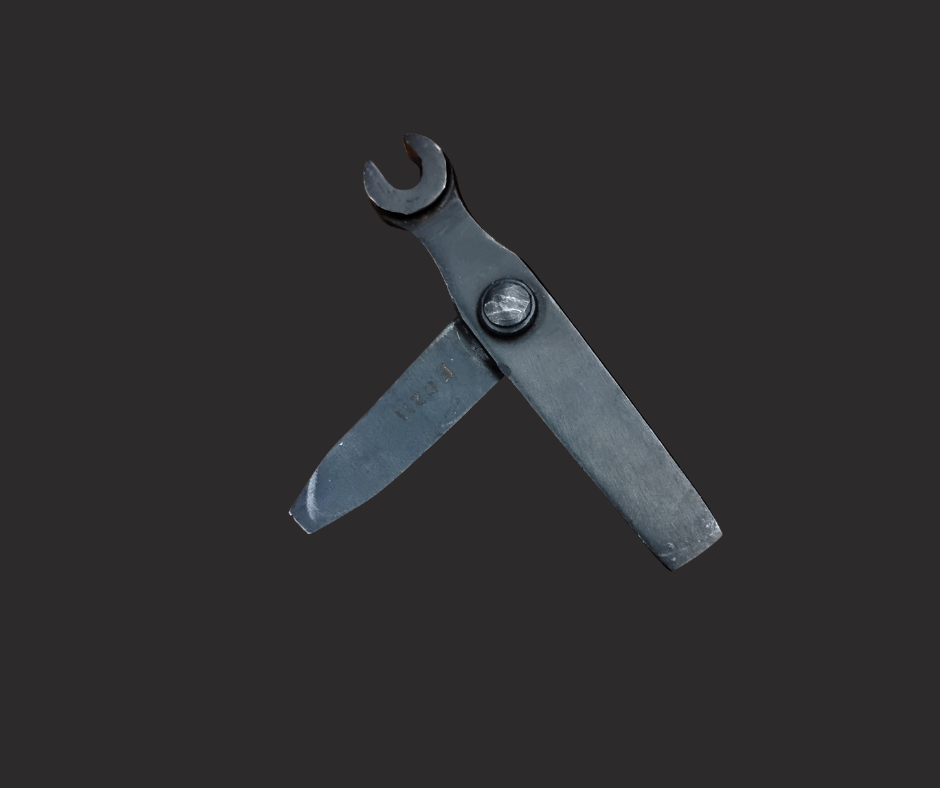
Small Wrench
The combination wrench and screwdriver could be used to break down the musket for further cleaning or repair. The first sergeant of the company would have additional tools to repair the musket during battle.
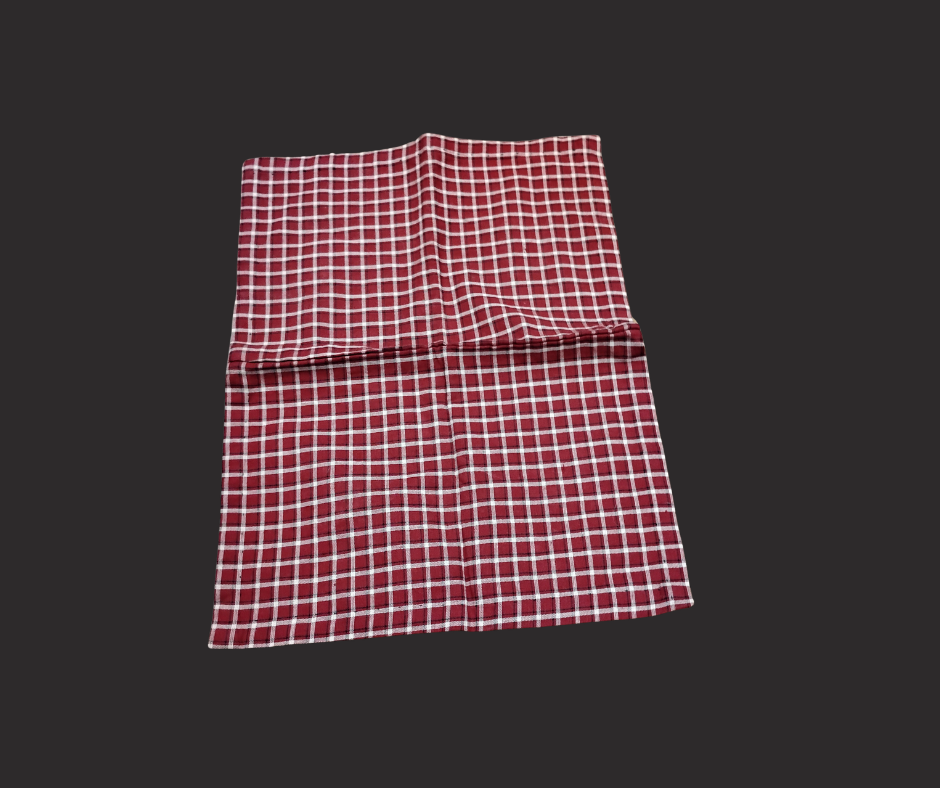
Handkerchief or Napkin
Marching was dirty business, and the soldier needed a “face mop” to remove the grime picked up on the road. Most handkerchiefs were hand-sewn and were made from shirt and quilt scraps and pieces.
Harmonica and Jaw Harp
The army knew that soldiers needed a diversion, or they would turn to drink, fisticuffs, or both. Music was an important part of soldiers’ lives, whether it be singing on the march or by the campfires at night. The army issued every regular soldier (not volunteer units) either a harmonica, a jaw harp, or a tin whistle to make what passed for music and entertainment. As the war progressed, the government did not have money to continue this practice, so many soldiers purchased instruments from sutlers. Hundreds of harmonica and jaw harp fragments have been found at camp and battle sites, indicating their popularity.

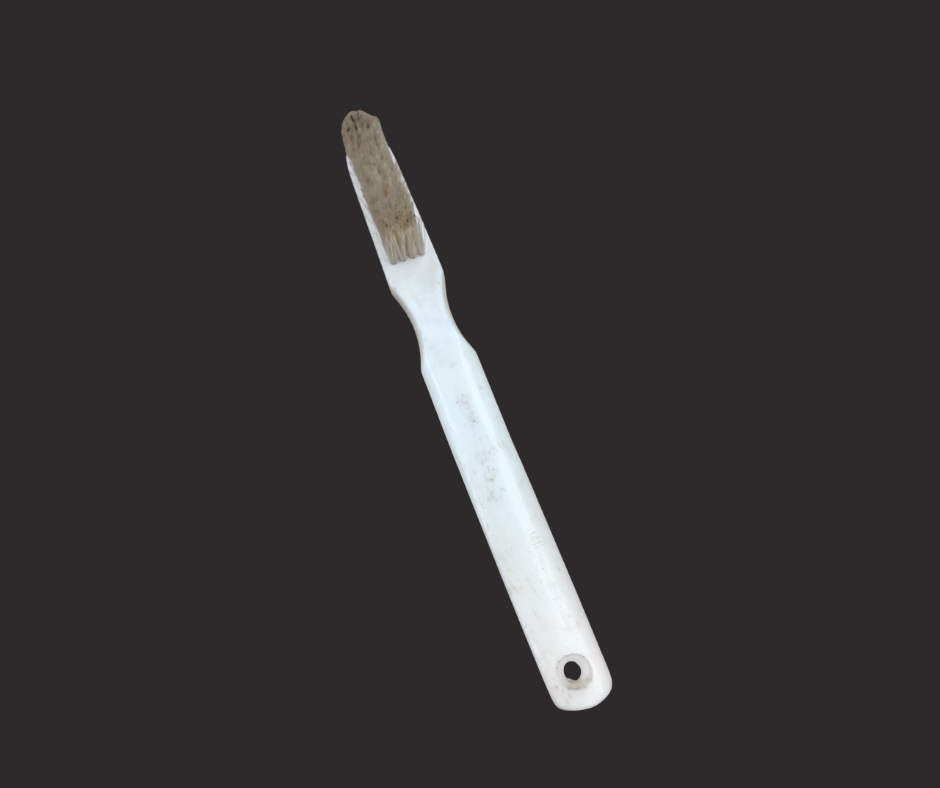
Toothbrush
The toothbrush was not always a common item found in the knapsack, but bristles were made from a hog’s hair. Tooth powder (including baking soda and salt) came in small tins but was also found in tablet form, which was moistened in the mouth before applying to the toothbrush. A finger served as a less-than-satisfactory substitute.
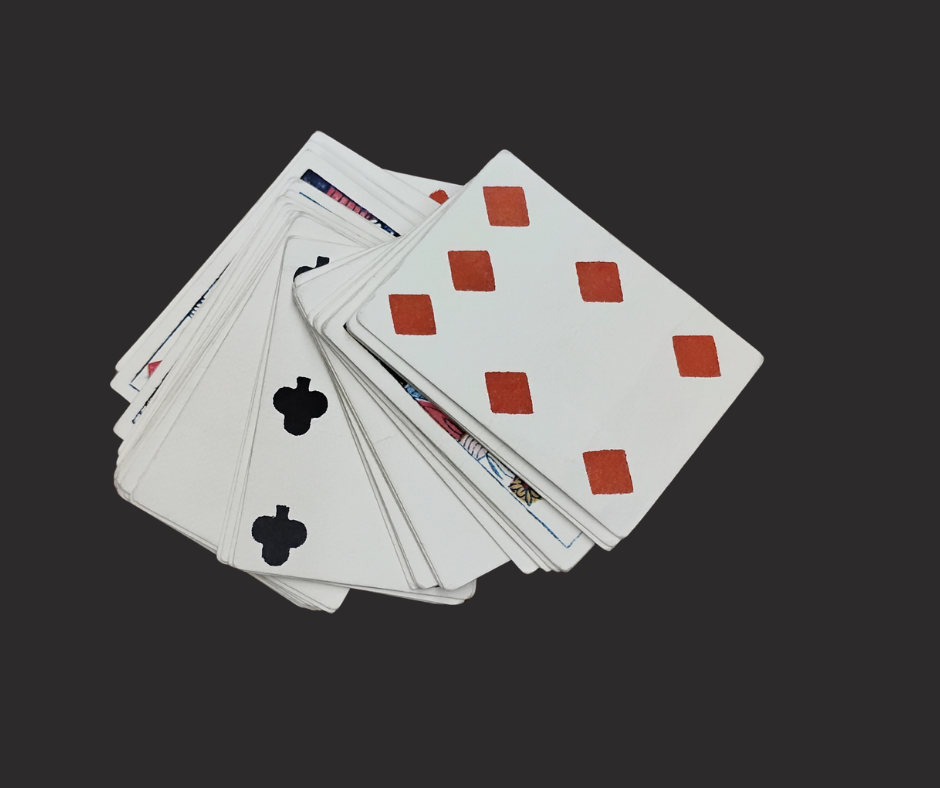
Playing Cards
Card games and gambling (including dice) made up the bulk of the soldiers’ recreation. Cards had a different look from the ones printed today. They often used colors other than red and black, and used Union generals or political figures rather than kings, queens, and jacks. Also, most cards did not reveal the numbers (you had to count the spots). One of the most popular games was “chuck-a-luck,” which used six cards and two or three dice. Young soldiers going into battle would throw away their cards, dice, and pipes, as their knapsacks and haversacks would be returned to their families. They did not mind their mothers knowing they had die, but they did not want her to know they gambled and smoked.
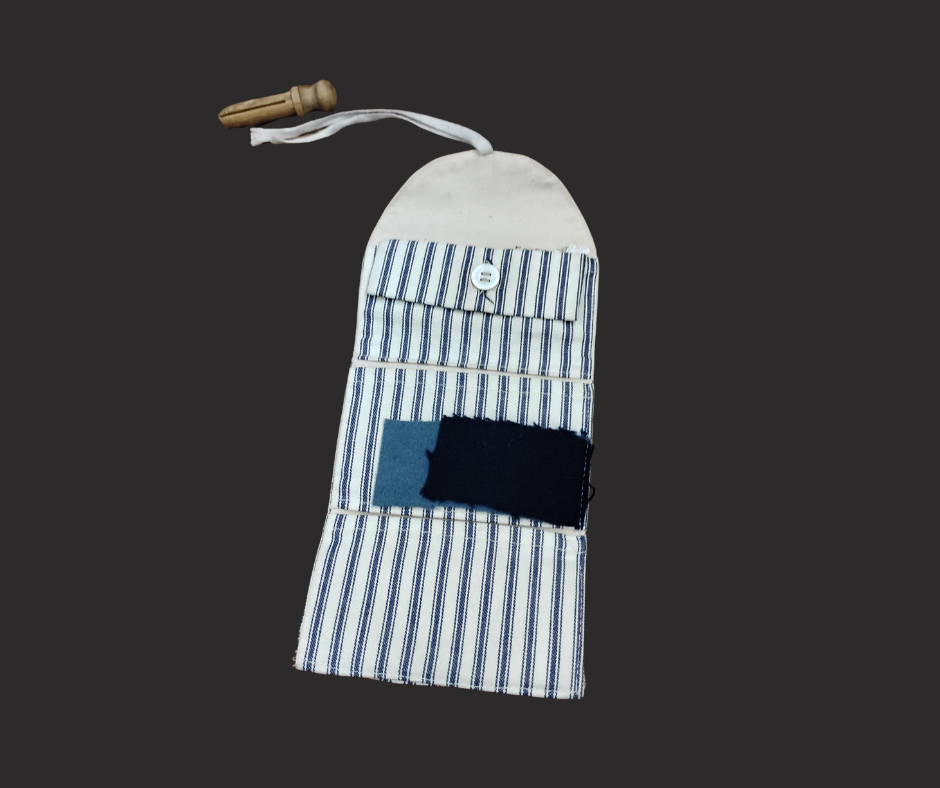
Housewife (sewing kit)
The housewife, or sewing kit, was a necessity for the soldiers who often had to repair ripped or torn uniforms. The sewing kit included needles, thread, buttons (military, metal, hard rubber, and bone buttons), and patches with civilian patterns, as well as military colors.
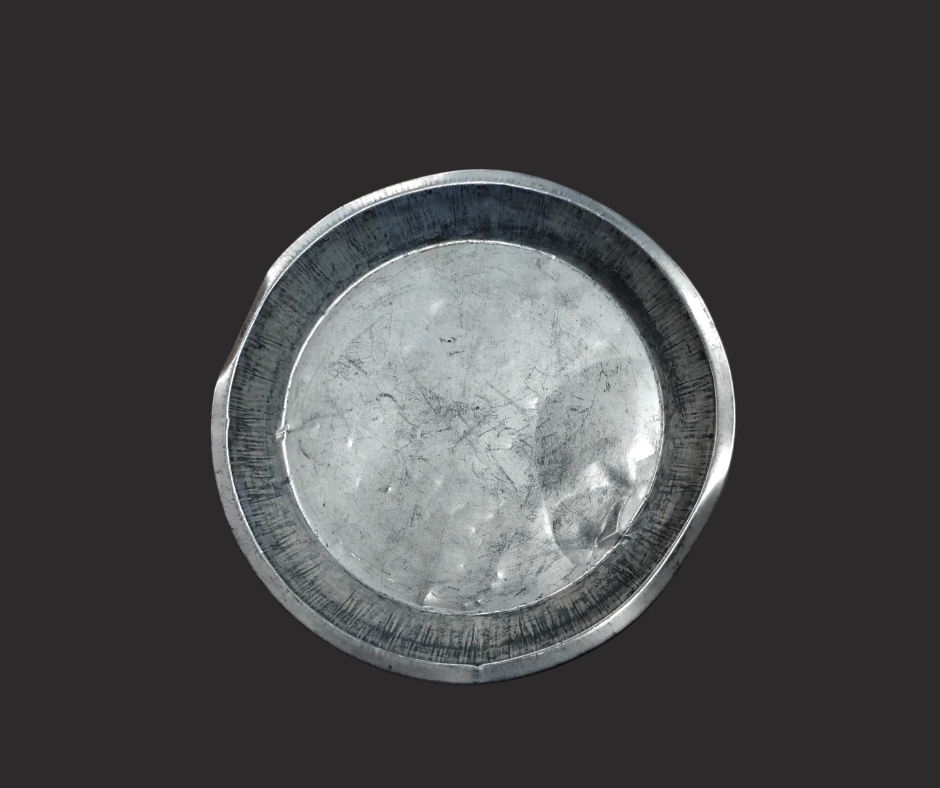
Tin Plate
The tin plate would normally be carried in the haversack with the ration of food (three days’ worth until it was increased to five later in the war). Plates were used as a serving dish, frying pan, and, if needed, a tool for digging fortifications and fire pits. The plate could also serve as a field for racing lice, often called “graybacks,” an obvious dig at the Confederates. The Confederates used a canteen half for a plate if a tin plate was unavailable.
Knife, Fork, and Spoon
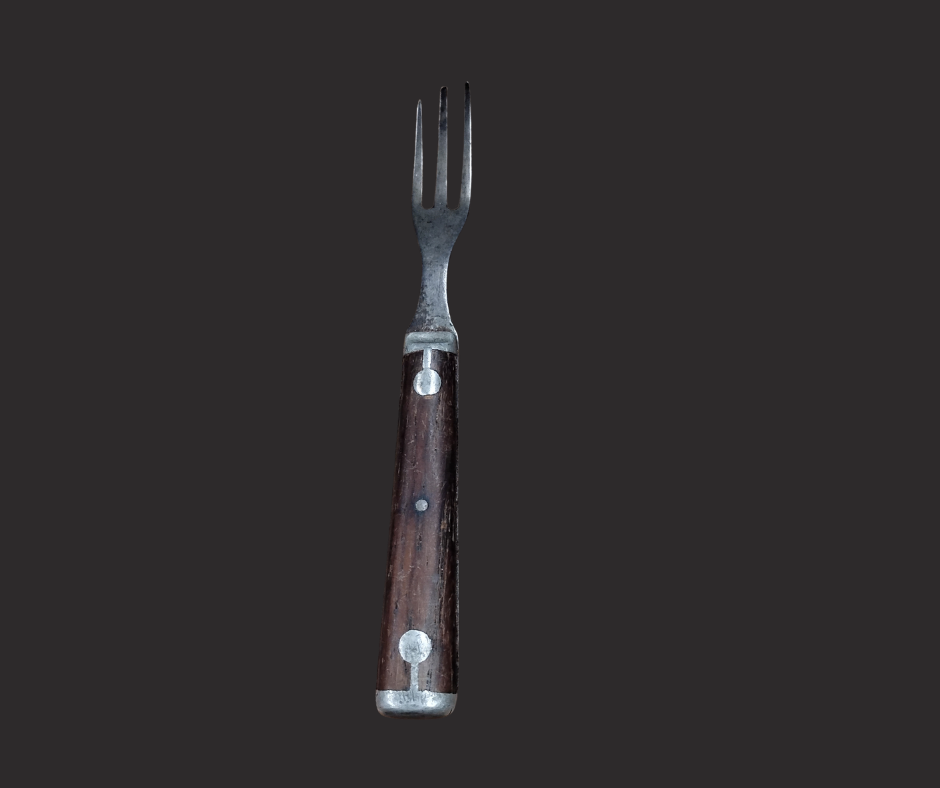
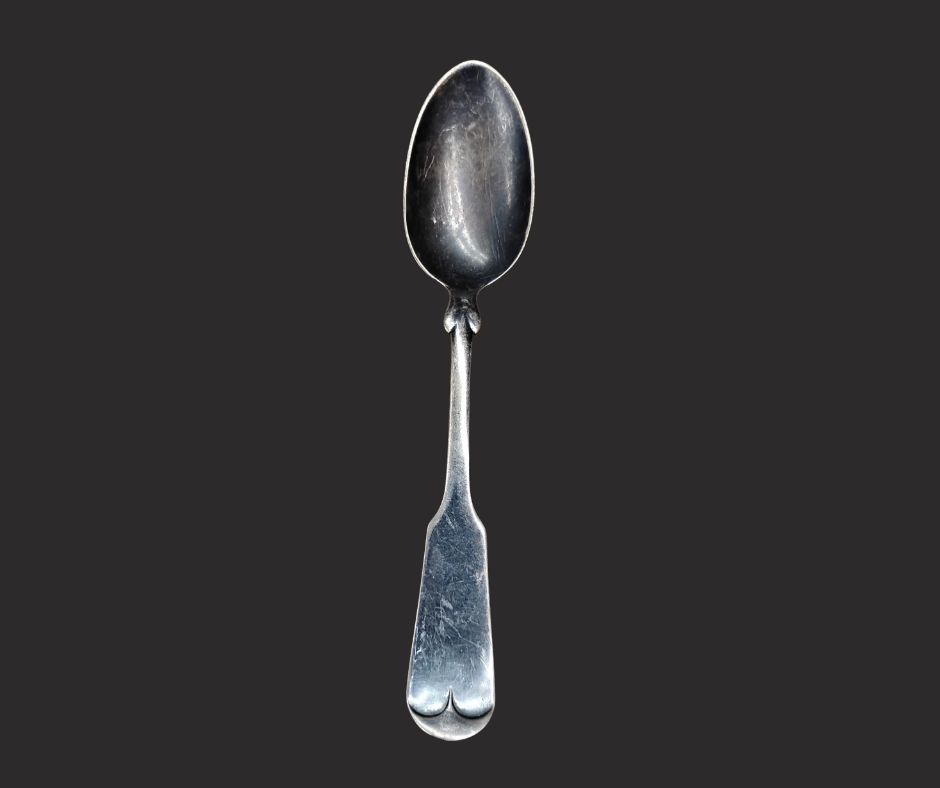
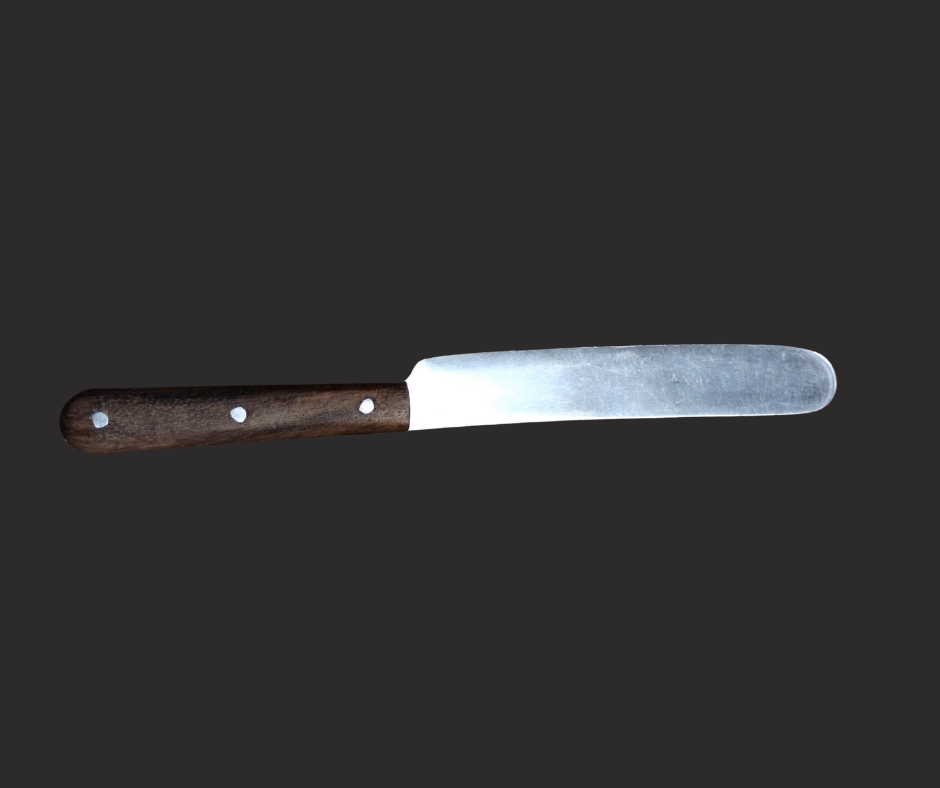
These items would have been carried in the soldiers’ haversack. The fork was usually three-tined and the handle would be made of wood or bone. The knife could be of the same set as the fork, but more than likely, it would not be a match. The spoon could come anywhere and likely would have been picked up as a forage item. A tin cup would complete the mess kit and would also be carried in the haversack.
Blanket
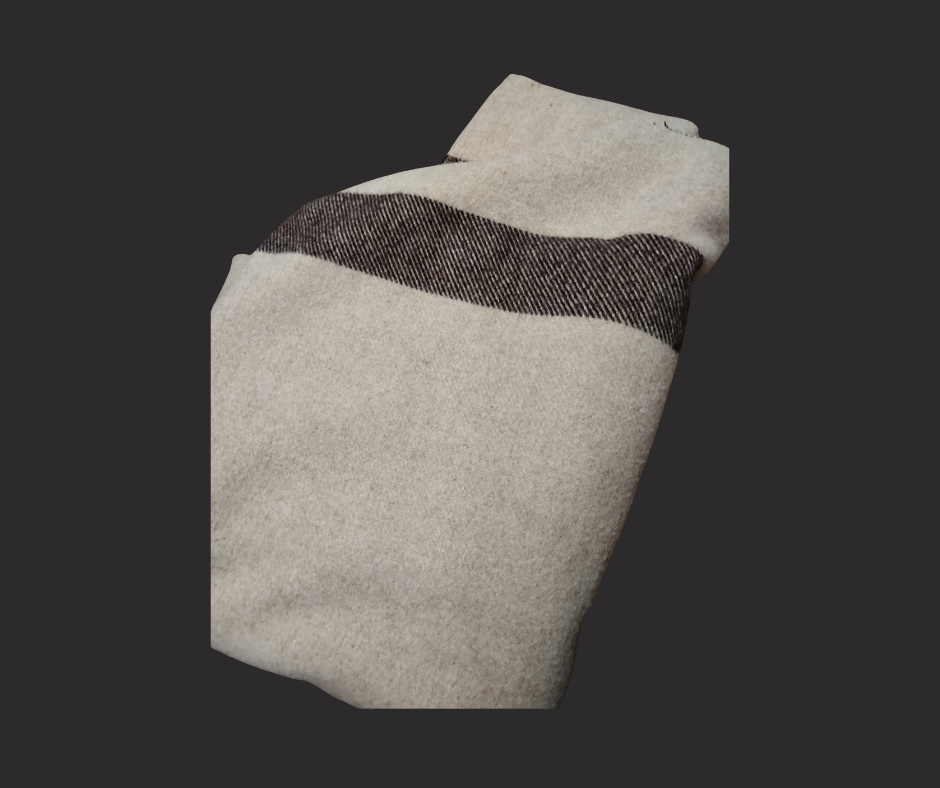
Soldiers were issued one blanket and were expected to share with their “spooning mate,” who also had one blanket. The Union soldier was usually given the tan US emergency-issue blanket with a brown stripe, and the Confederate soldier had a homemade quilt. The blanket could be strapped to the outside of the knapsack, but was usually stuffed inside as the soldier carried a poncho, greatcoat, or shelter-half on the outside. A shelter-half was half a tent made of canvas. A soldier’s “spooning mate” carried the other half.
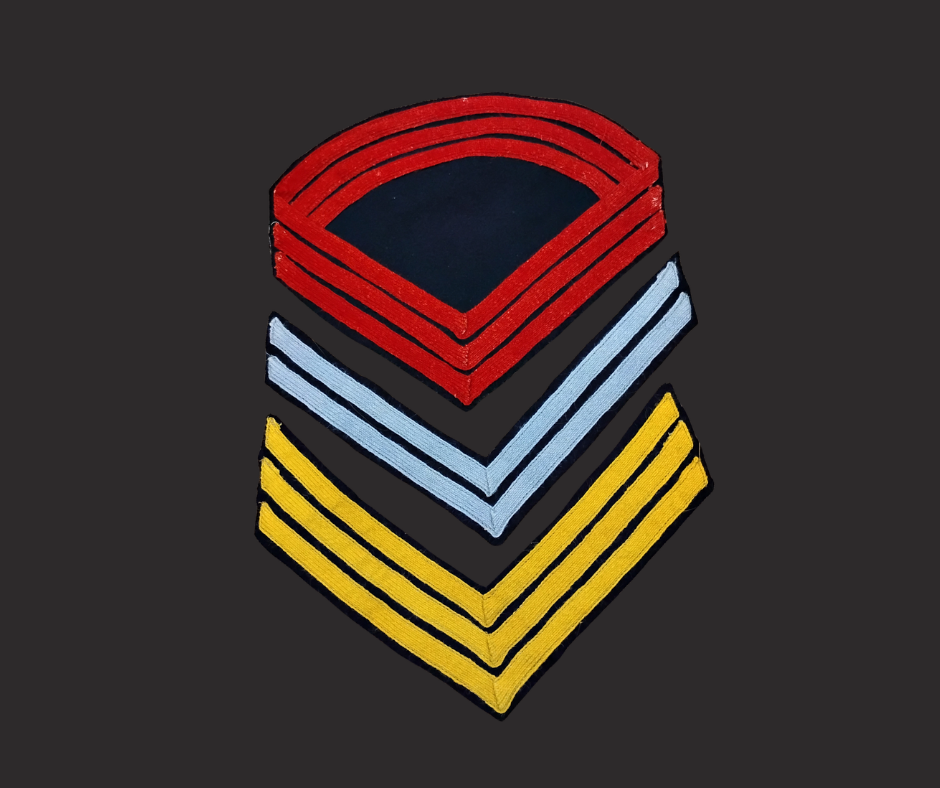
Insignia pieces (5)
The packet of insignia pieces gives you an idea of the scale and ornamentation of the rank specifications. A more complete guide to the interpretation of the pieces is included (see “What do the Stripes Mean”). During the Civil War, some officers disdained wearing these insignias as snipers were becoming more prevalent on the battlefield.
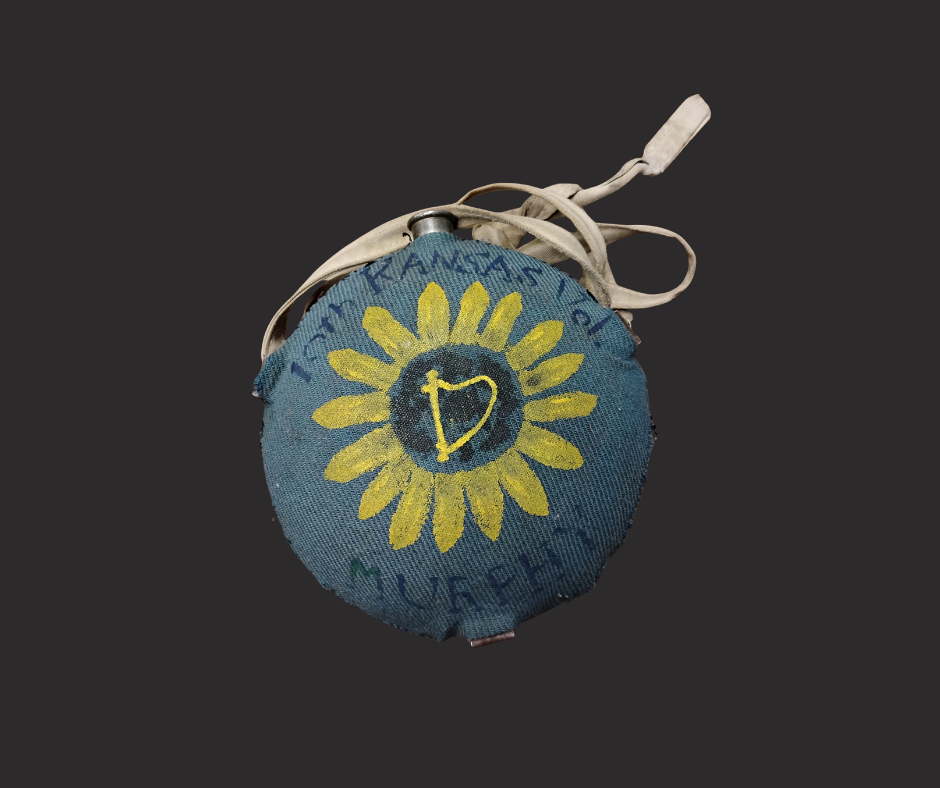
Canteen
Marching several miles a day parched the soldiers. A canteen was a vitally important part of the soldier’s equipment. Canteens were also used beyond their designed function. Some soldiers used old or broken canteens as plates, cooking pans, or even digging equipment.
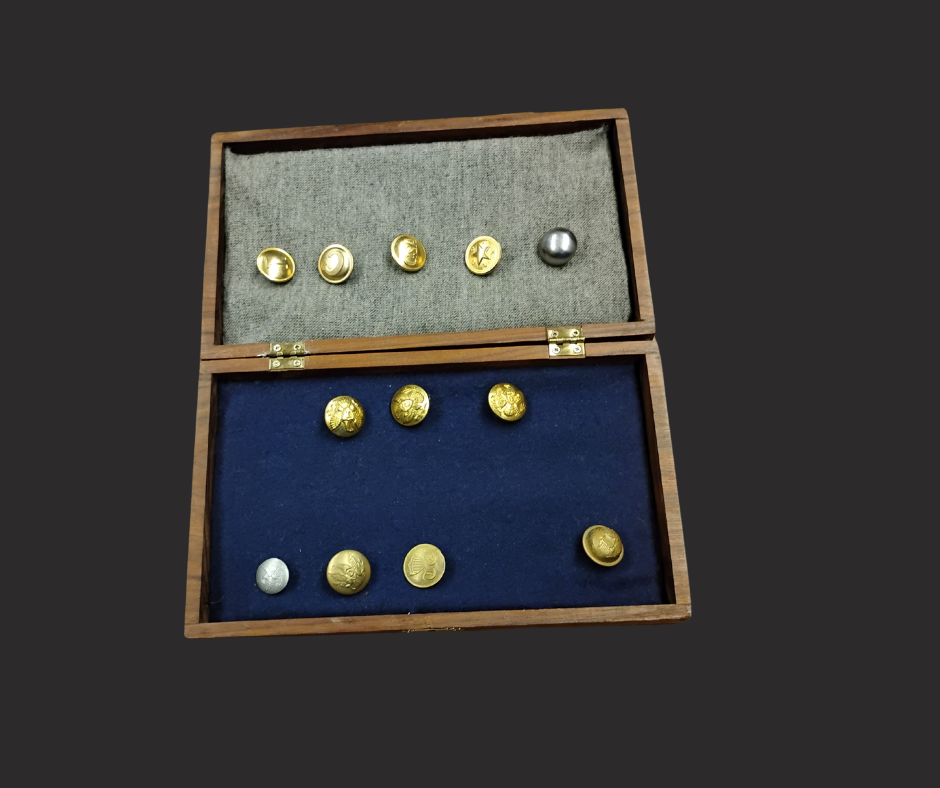
Box with Buttons
Buttons are among the most commonly found artifacts at Civil War campsites and battlefields. The reason for this is that buttons were used for several different purposes. Buttons were a commonly preferred method of securing clothing and bags. Since buttons were so common, they were often used as ornamentation or to signify importance. Military buttons occasionally bore symbols of the nation or army for which they created.
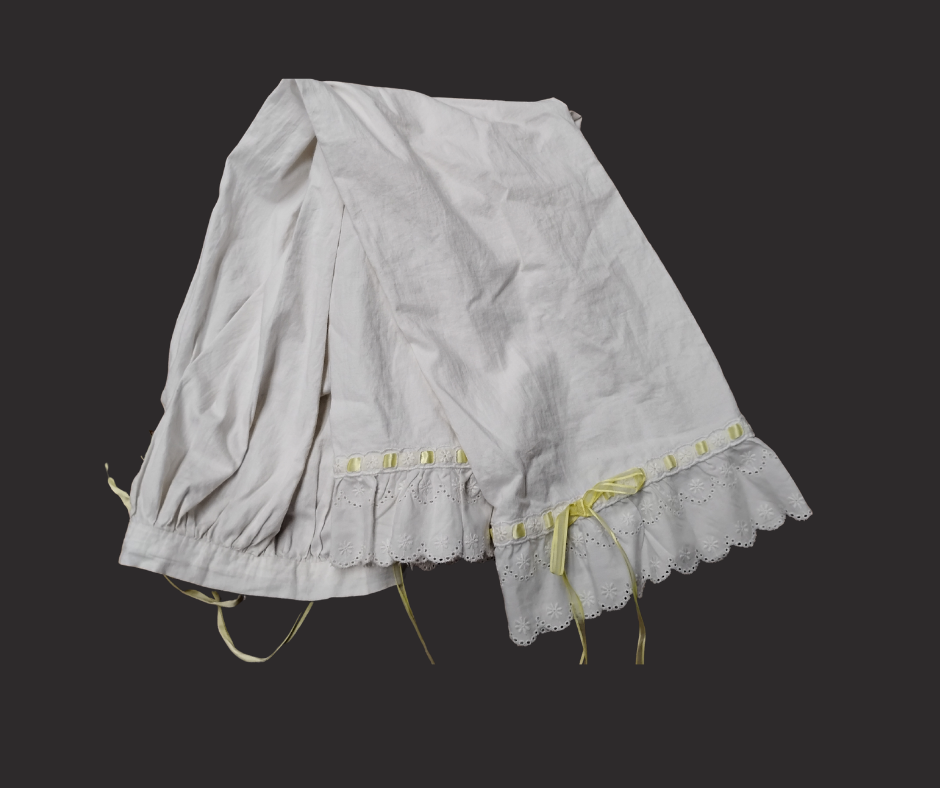
Pantaloons (for ladies)
Pantaloons acted as the underwear for most people during the Civil War era. Designed with modesty and comfort in mind, most pantaloons were made of cotton or other soft and airy material.
Two Pairs of Boots (one men’s, one lady’s)
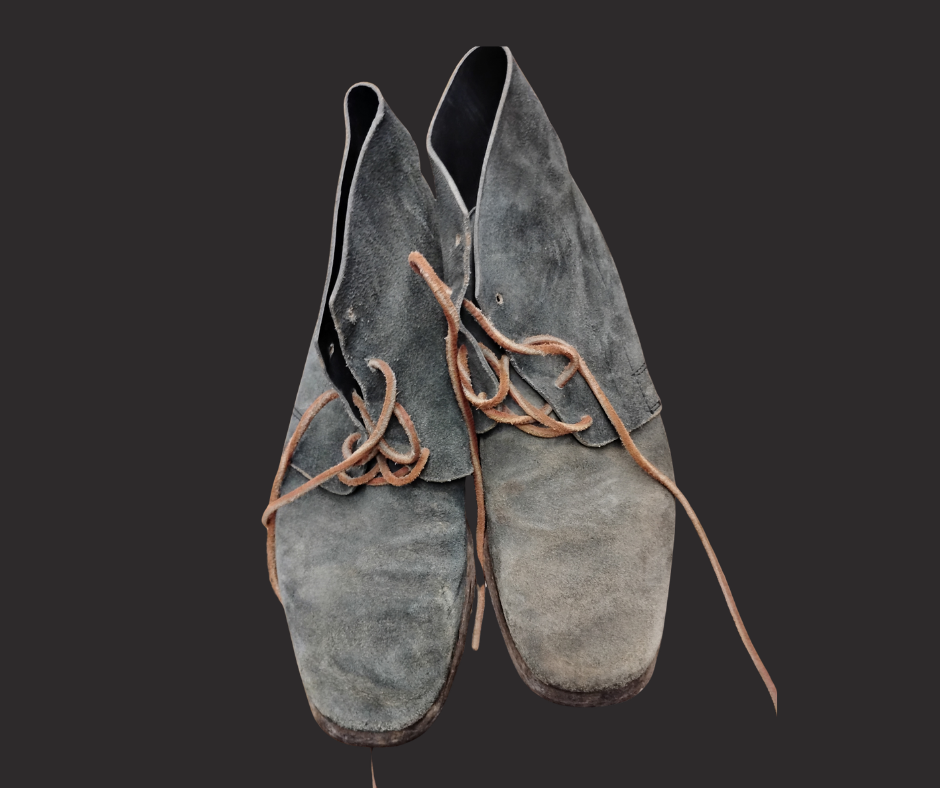
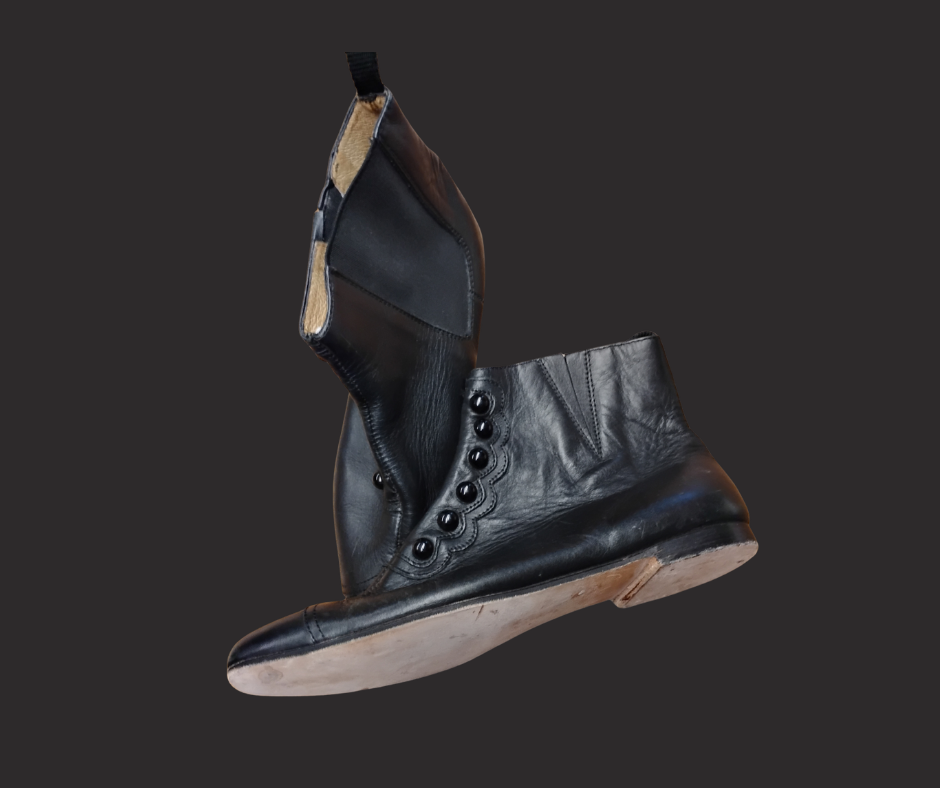
Shoes were arguably the most important article of clothing to civilians and soldiers during the Civil War era. Most footwear was constructed of reinforced leather. Inadequate footwear was very common. Children often went without shoes during the summertime, and soldiers often wore through their shoes more quickly than they were replaced. Included in this trunk is a pair of men’s shoes known as “brogans” and a pair of women’s shoes known as “Victorias.”
Bracers
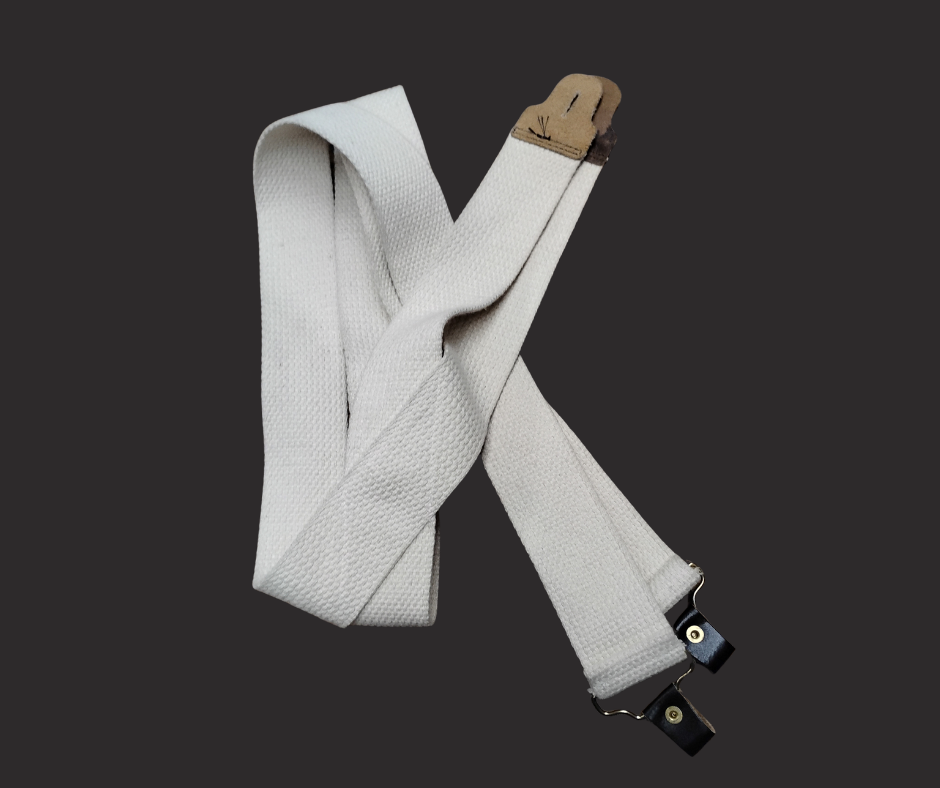
Bracers, similar to suspenders, were a vital component of fashion and practicality in Civil War–era attire. Both women and men would use bracers. Men used them to hold up baggy pants while women could use them to hold up heavy dress hoops and skirts.
Chemise (2, small and large)
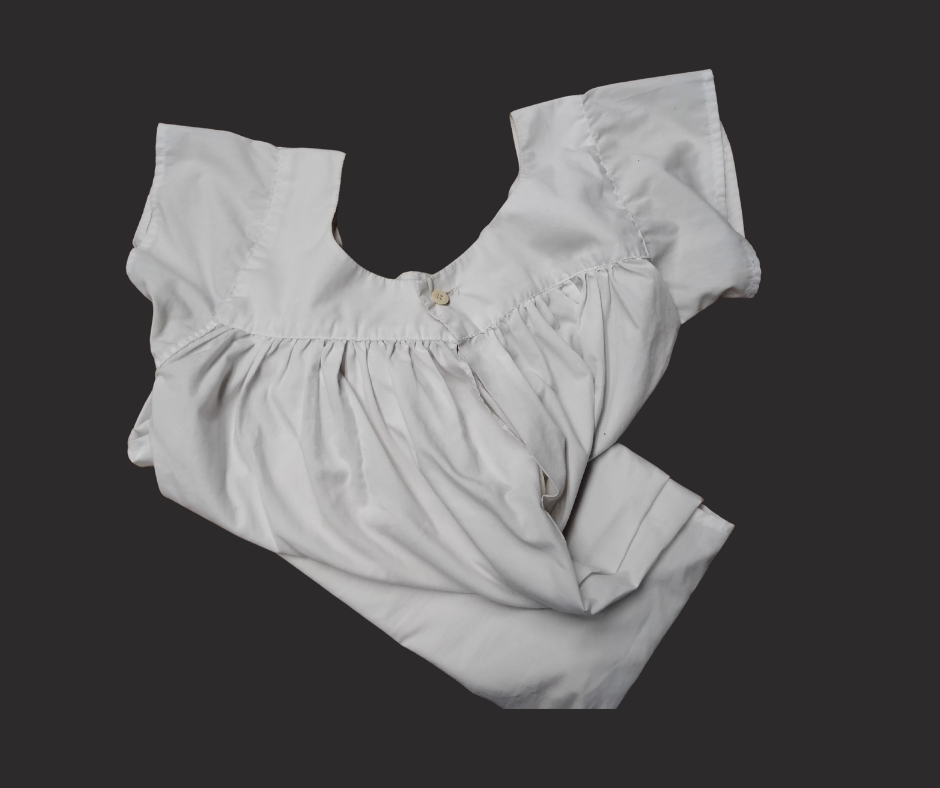
A chemise was worn by women of the Civil War era as a barrier between her skin and her corset or outerwear. The chemise is made of cotton and was designed to keep dresses, corsets, and outerwear clean and fresh. Most women only owned two or three.
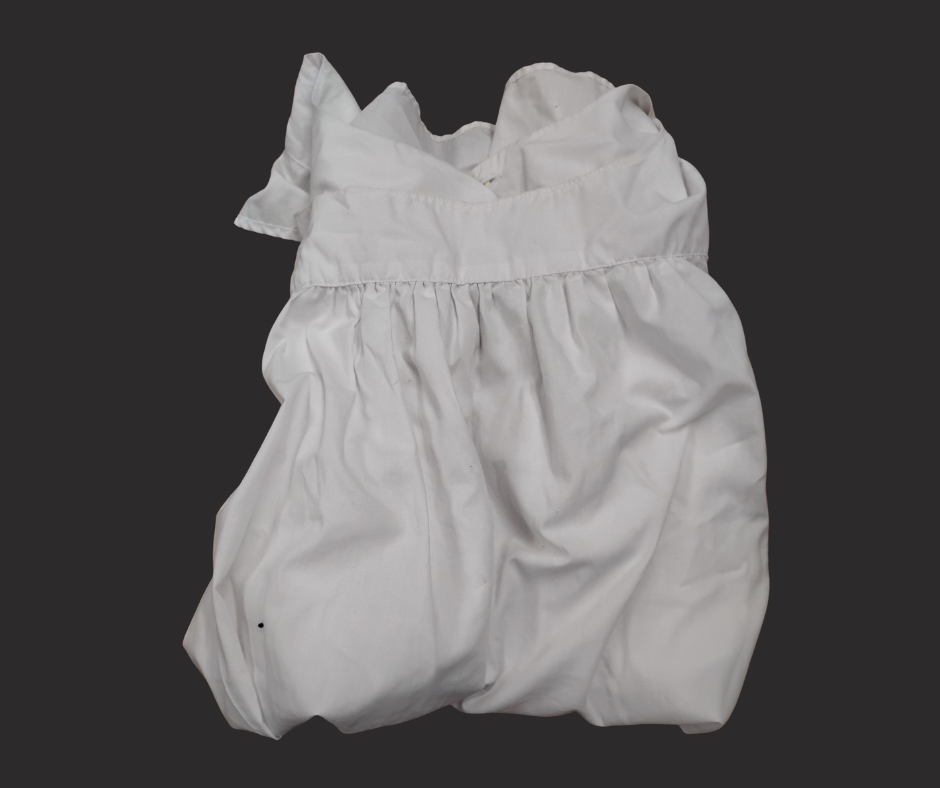
Petticoat
The petticoat was essential to the hoop-skirt look that was prevalent throughout the Civil War era. Petticoats could be used to cover a hoop skirt in order to hide the metal structure, or used under a skirt without a hoop to fill in space and give a skirt the full look that was popular at the time.
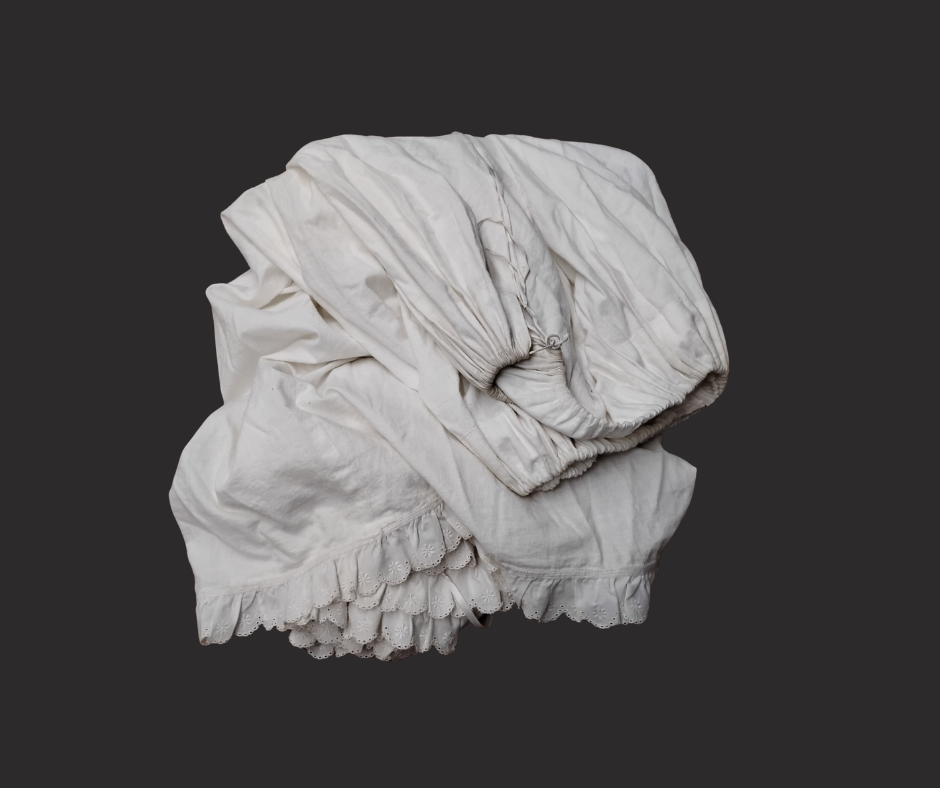
Girl’s Dress
While young girls didn’t wear the large or restrictive hoops and corsets that adult women did, the styles of their clothes varied only slightly. It was typical for girls to wear dresses that looked nearly identical to adult dresses. Girls often wore petticoats to attain a wide and full look to the skirt. Dresses varied in length from ankle to mid-calf.
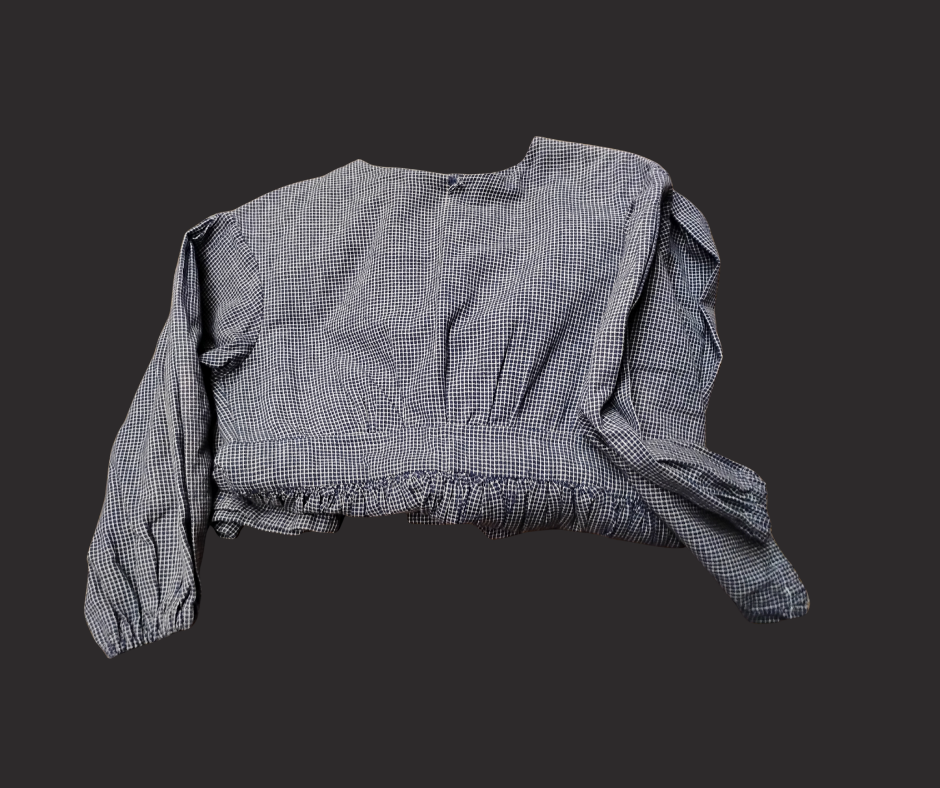
Lady’s Dress
Most women owned two or three dresses. Dresses were the outermost article of clothing and were therefore the most decorative. In many cases during the Civil War, women made their own dresses using whatever materials they could find. Women would designate their dresses for specific purposes, such as an “everyday dress,” which was worn while doing the daily housework; an “evening dress,” which was worn for entertaining or excursions into public; and a “Sunday dress,” which was usually the newest and reserved for church services on Sunday.
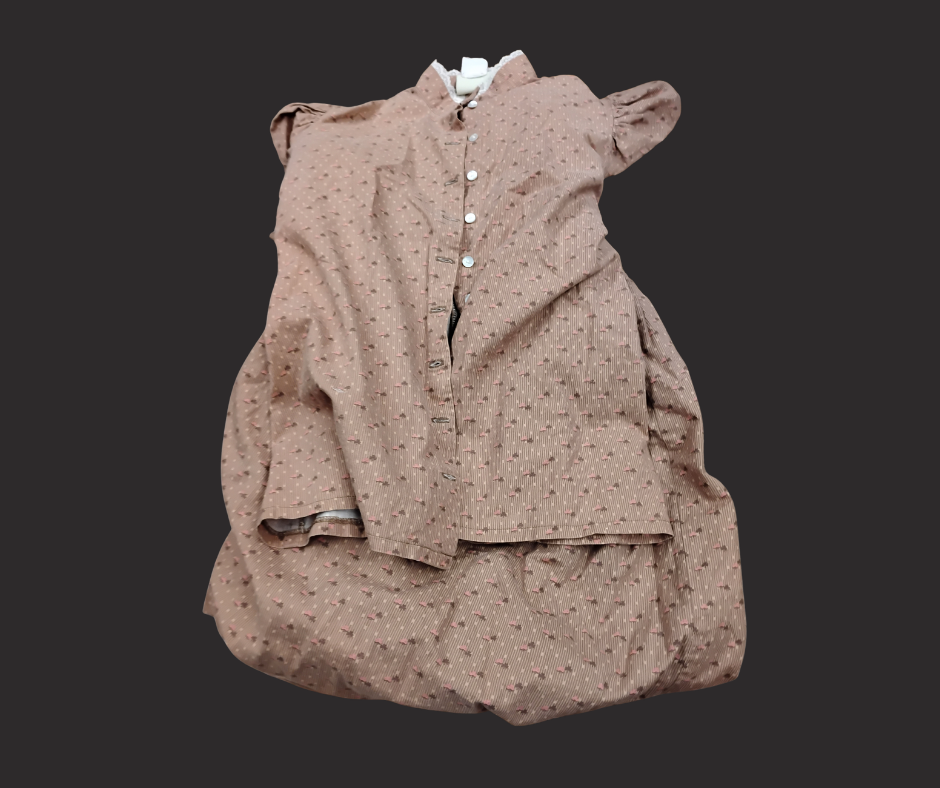
Boy’s Shirt
It wasn’t uncommon for a preteen boy to be working a job. For this reason, many boys dressed in a cotton shirt for its coolness, and wore a durable jacket made of canvas or denim for protection against daily labor. Boys usually dressed like their fathers, often because mothers made the clothes themselves.
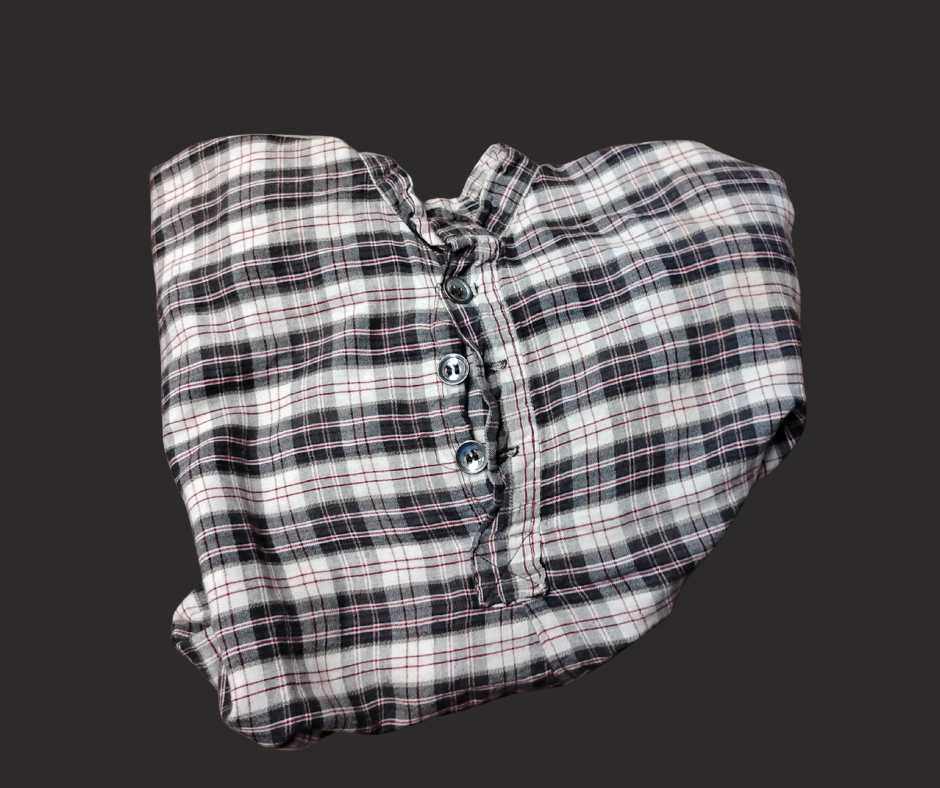
Laundry Clothespin
All laundry was washed by hand and hung up to dry. This time-consuming chore needed to be done often, as both men and women typically owned only a couple of outfits. During the Civil War, some women known as “washer women” acted as the laundresses for companies of soldiers. These women had to endure the same tough conditions the soldiers did while attempting to clean and repair uniforms in a timely manner. The uniform cleaning process took roughly three days to complete.
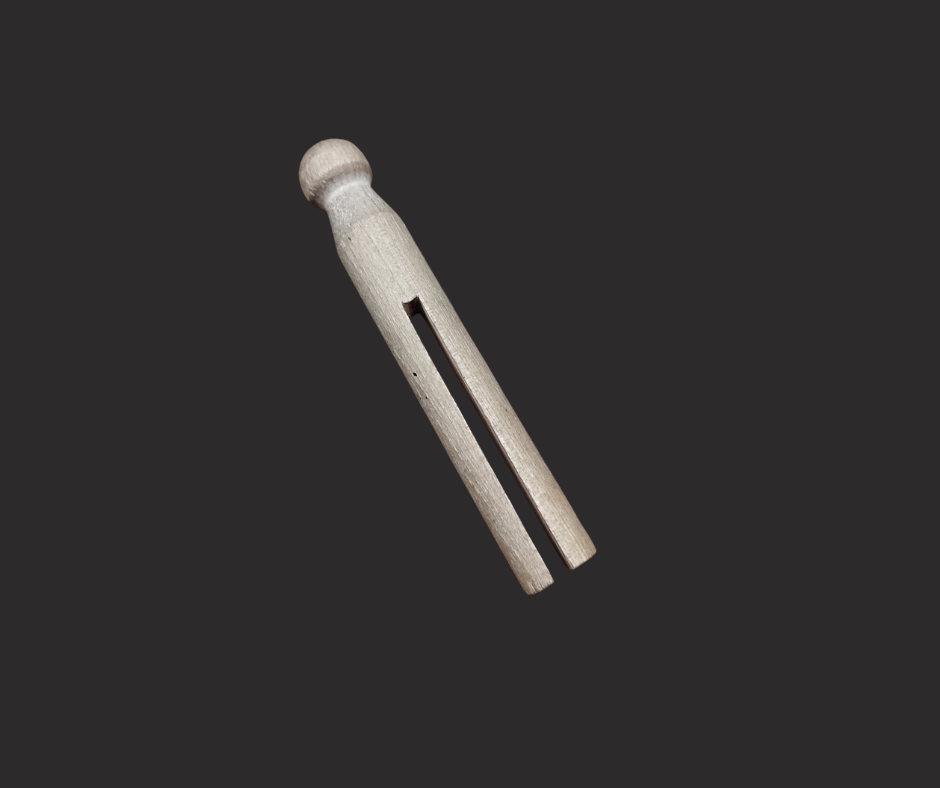
Union Flag
This flag looks similar to the flag of the United States we see today. The primary difference is the number of stars; this flag holds 35 stars. It would have been made after 1863 when West Virginia was admitted to the Union, having separated from Virginia in 1861. The flag held 35 stars because the federal government did not believe the states had the right to secede from the Union, so states that had declared secession were not removed. This, however, didn’t stop certain individuals from making Union flags that excluded the Confederate states.
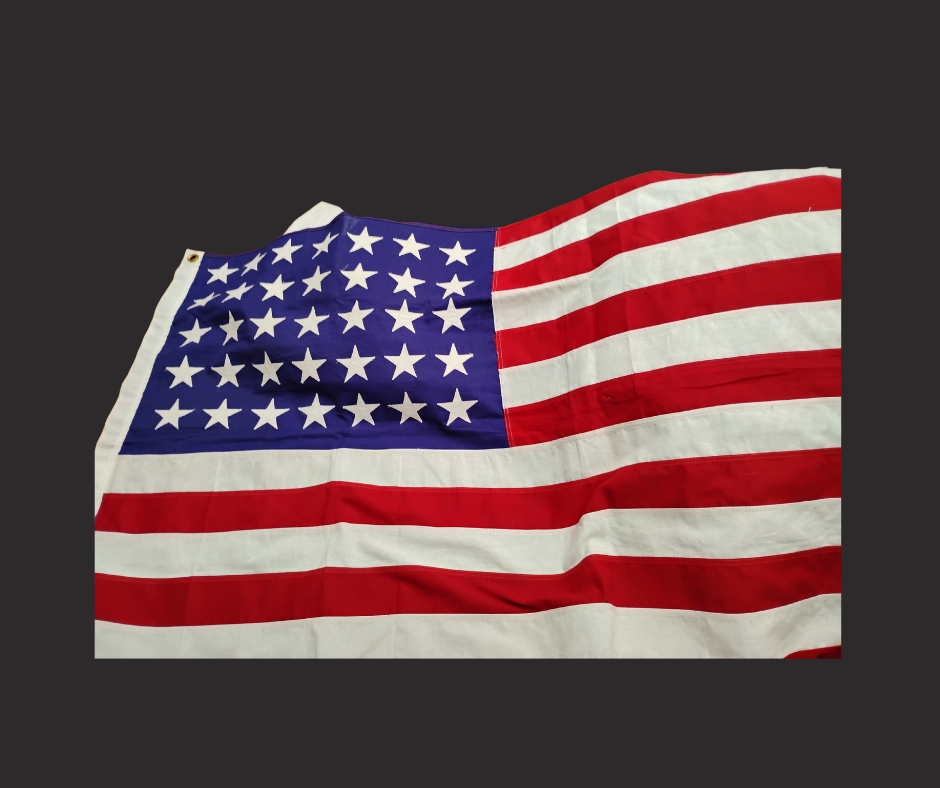
Cherokee Braves Flag
The Cherokee Braves flag was used by General Stand Watie, a Cherokee American Indian who fought in Indian Territory for the Confederacy. Watie battled not only the Union soldiers, but also opposition within his own tribe. After securing the position of principal chief from the pro-Union minority, Watie led his army, comprised of several American Indian tribes. The Cherokee Braves flag has five red stars representing the Five Tribes. The largest red star in the center represented the Cherokee. Watie was the last Confederate field general to surrender to Union forces.
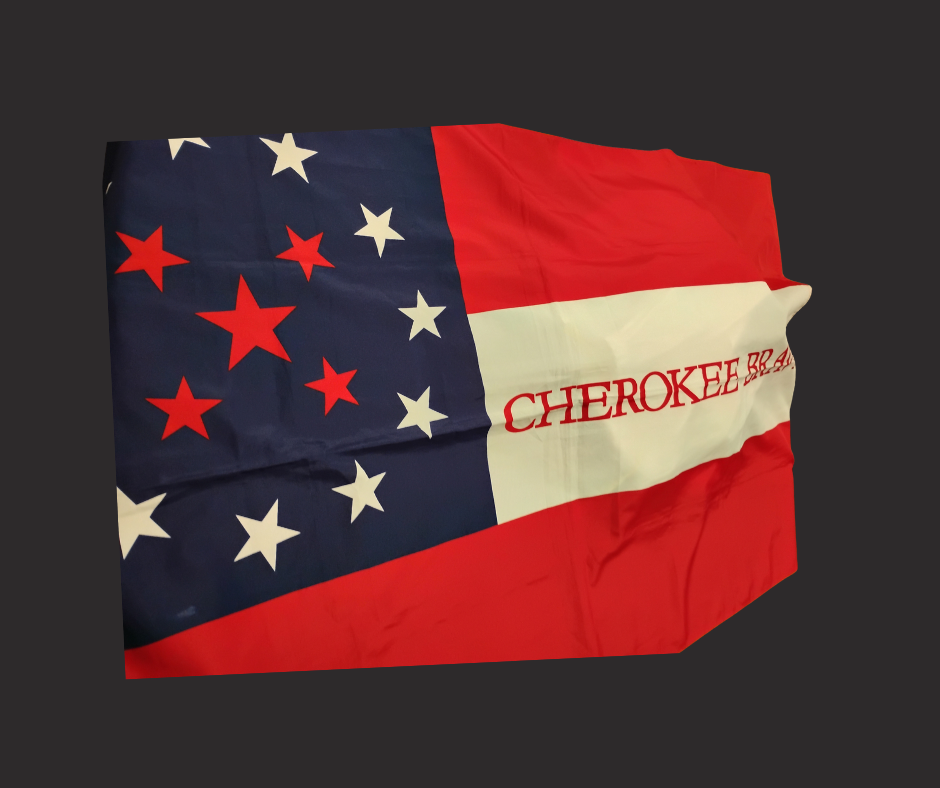
Cannonball
Field artillery played a huge role in the course of Civil War battles. The effectiveness of the artillery was primarily attributed to the advances in technology and strategy. The included cannonball is known as “solid shot.” It is the standard type of cannonball, delivering damage through kinetic energy and causing psychological distress, but it wasn’t the only type of shot. “Canister shot” was the most deadly, essentially launching several small pieces of shrapnel in a shotgun-like arc. Military techniques early in the war still referred to Napoleonic tactics, which included marching in open fields in close proximity. Canister shot and exploding shells attributed to a large percentage of Civil War deaths and casualties.