Dust Bowl and Great Depression Trunk
The Oklahoma History Center Museum offers a Dust Bowl and Great Depression trunk to bring hands-on items to the classroom, including the materials listed below.
Trunk Topics Request a Trunk Checkout Process
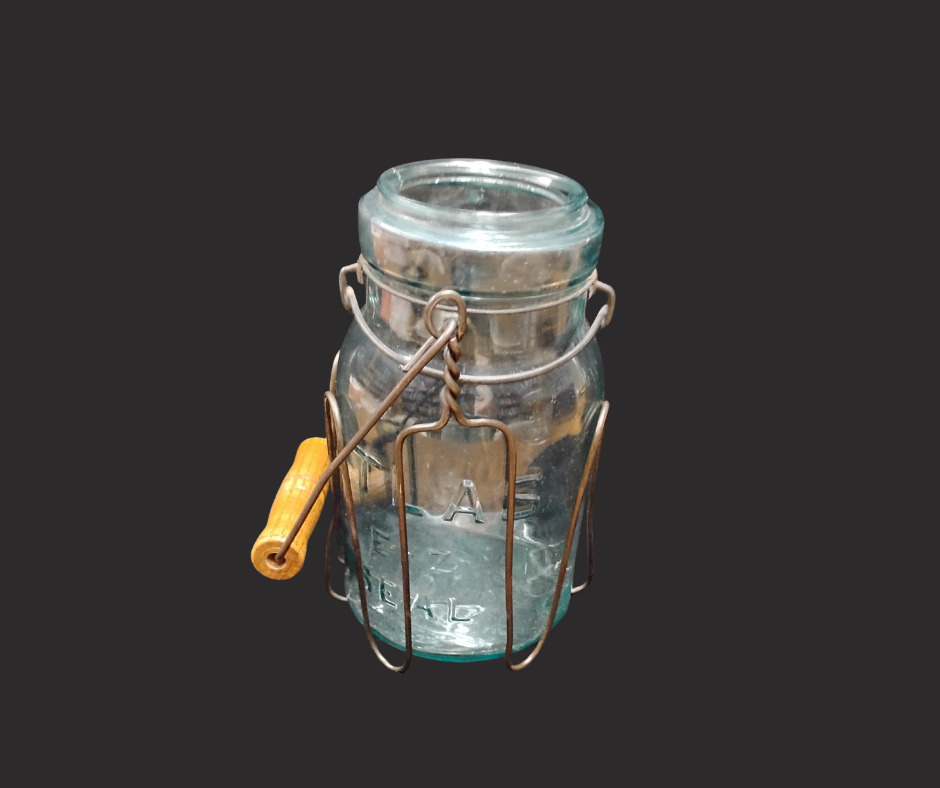
Lightning Jar with Wire Lifter
This kind of jar was used for canning food. The lifter allows the user to safely move the jar in and out of a hot pressure cooker.
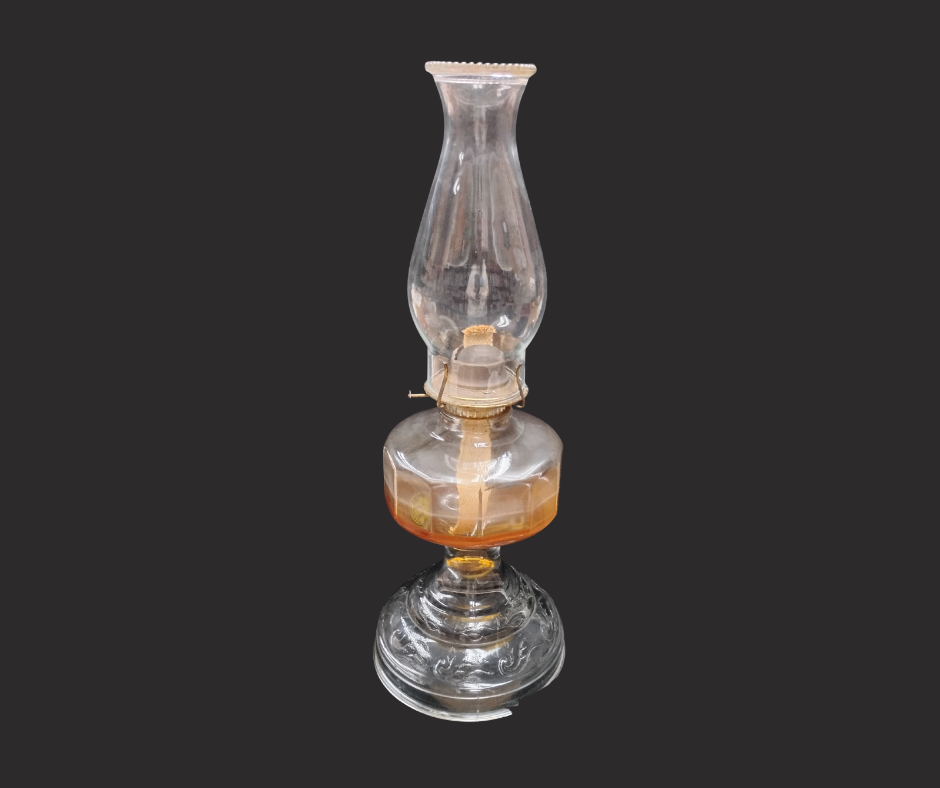
Kerosene Lamp
This lamp has a solid gel in the base that looks similar to kerosene or lamp oil, but it is just a solid gel. This is typical of the kind of lamp used in rural areas in the 1930s. Students are welcome to look at the lamp with adult supervision.
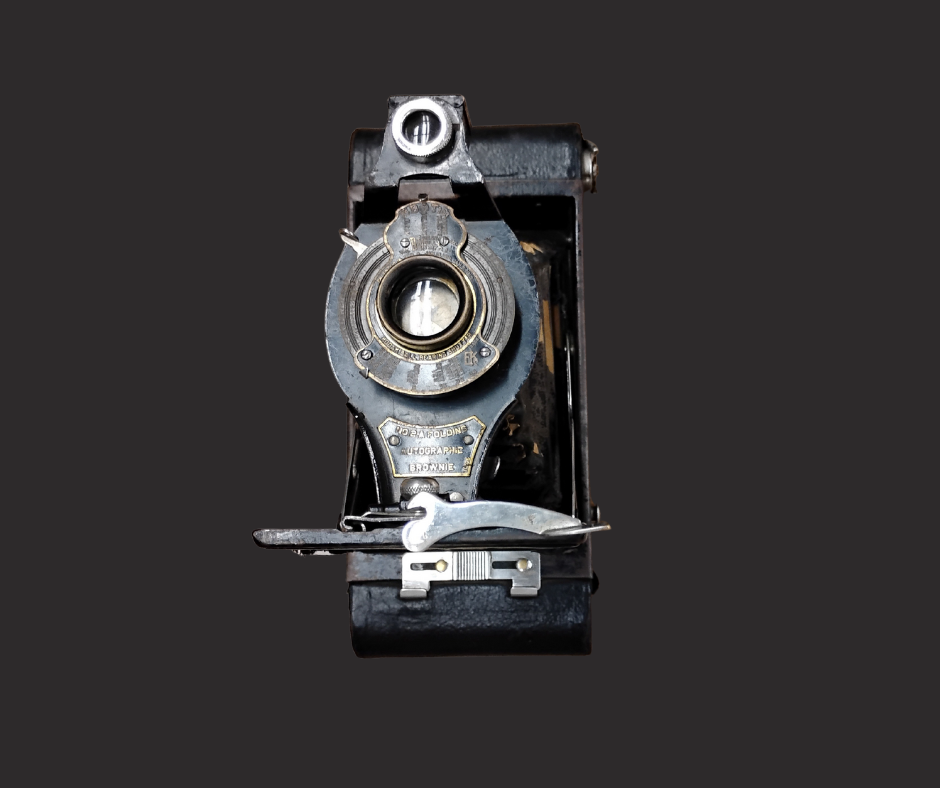
Kodak No. 2A Folding Autographic Camera
The Kodak No. 2A was a popular camera manufactured between 1915 and 1926. It cost $8–13 at that time.
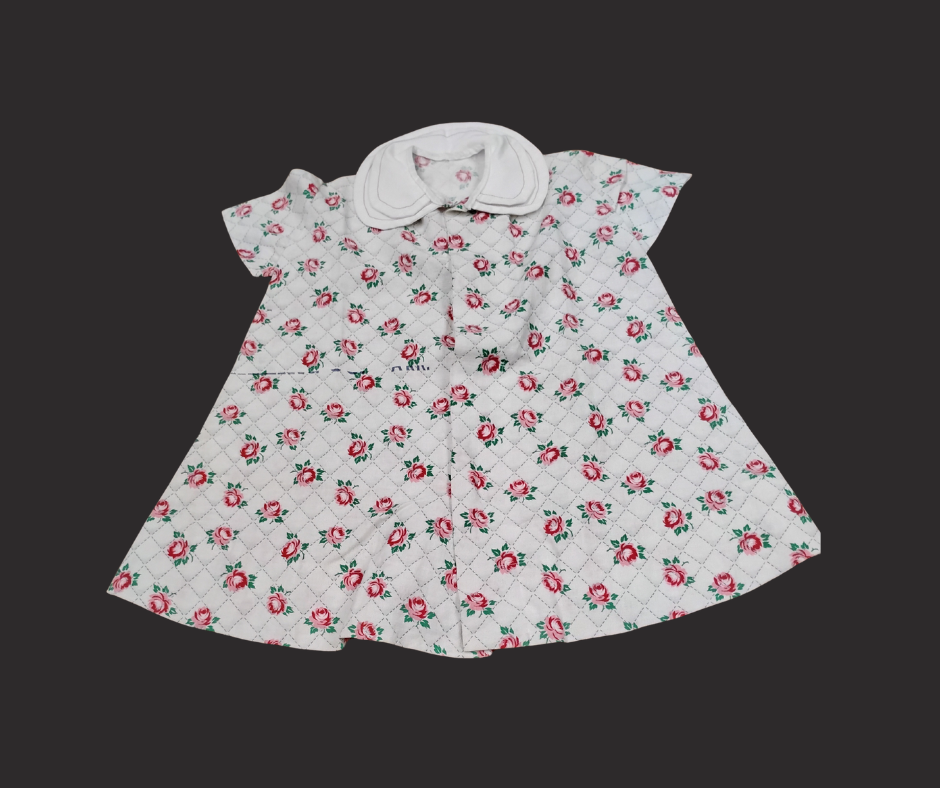
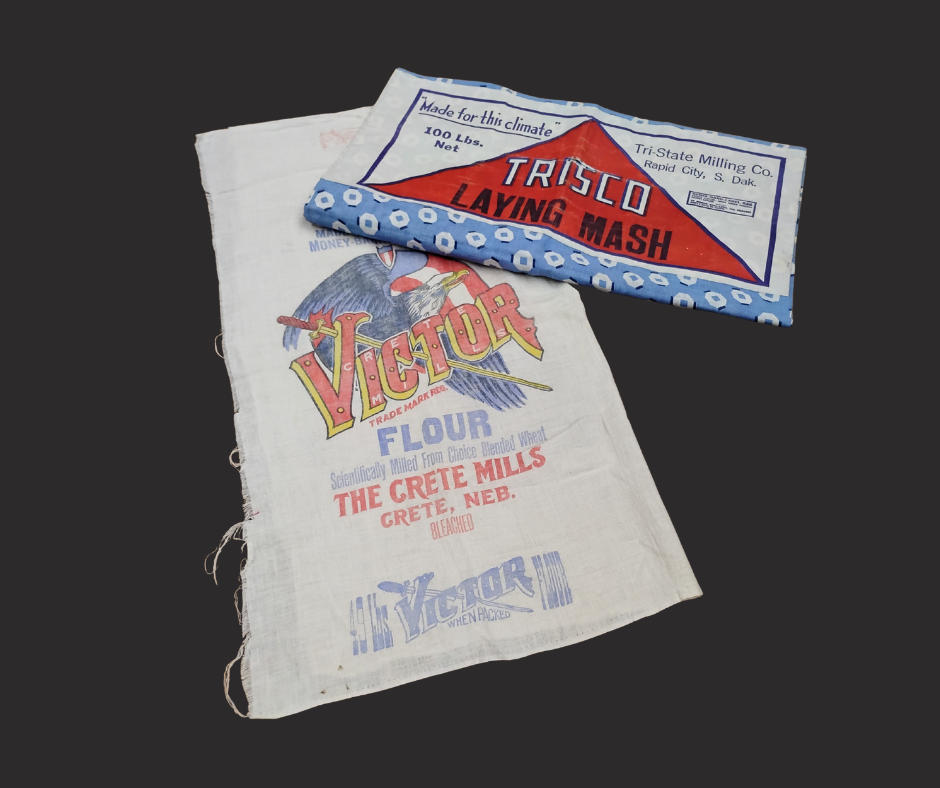
Flour Sacks and Feed-Sack Dress
Because of a lack of funds to buy fabric, many women made their family’s clothing from feed sacks. Feed companies began printing their sacks in different designs, such as this rose print.
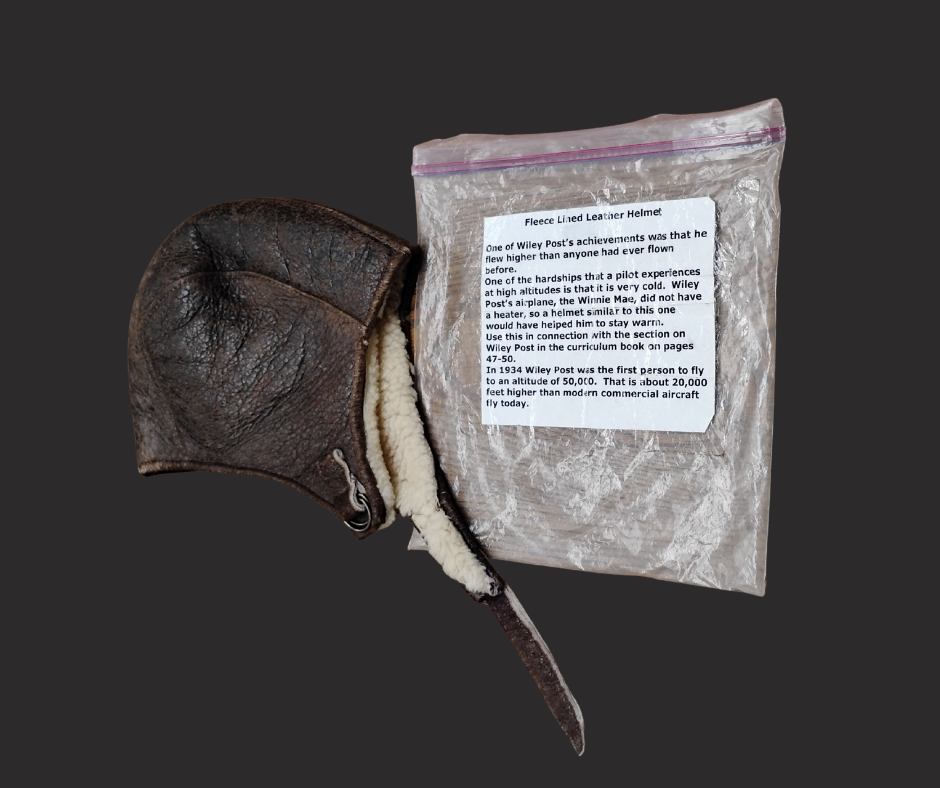
Fleece-Lined Leather Helmet
A leather helmet was suitable for use during high-altitude flights in an unheated airplane cabin. This helmet is similar to what would have been used by Wiley Post.
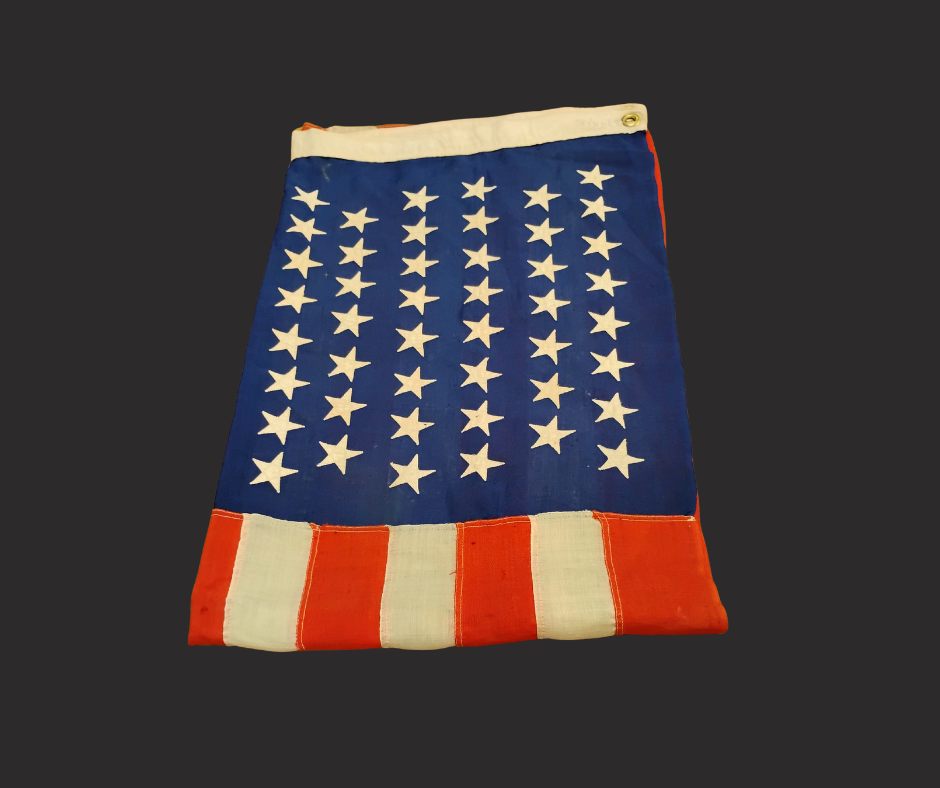
48-Star American Flag
In the 1930s, the United States of America had 48 states. The flag includes one star for each state, and this one has 48 stars. Today’s flag has 50 stars.
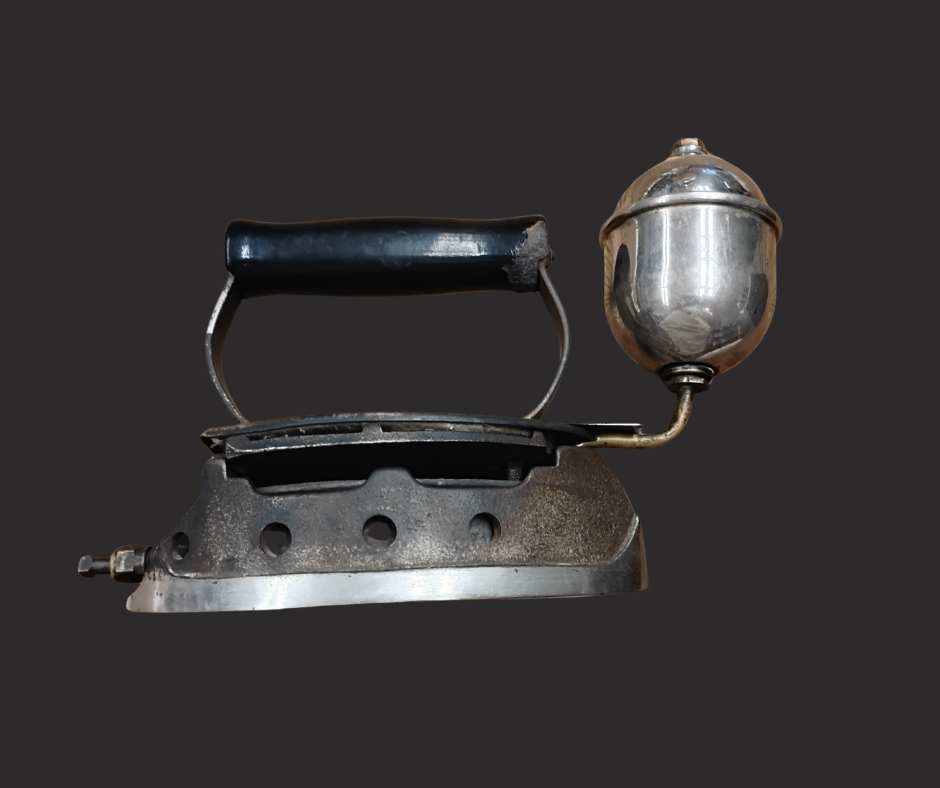
Fuel Iron
This is an iron used to remove wrinkles from clothing, similar to what we use today. However, this iron’s heat source is burning fuel stored at the little fuel tank in the front of the iron.
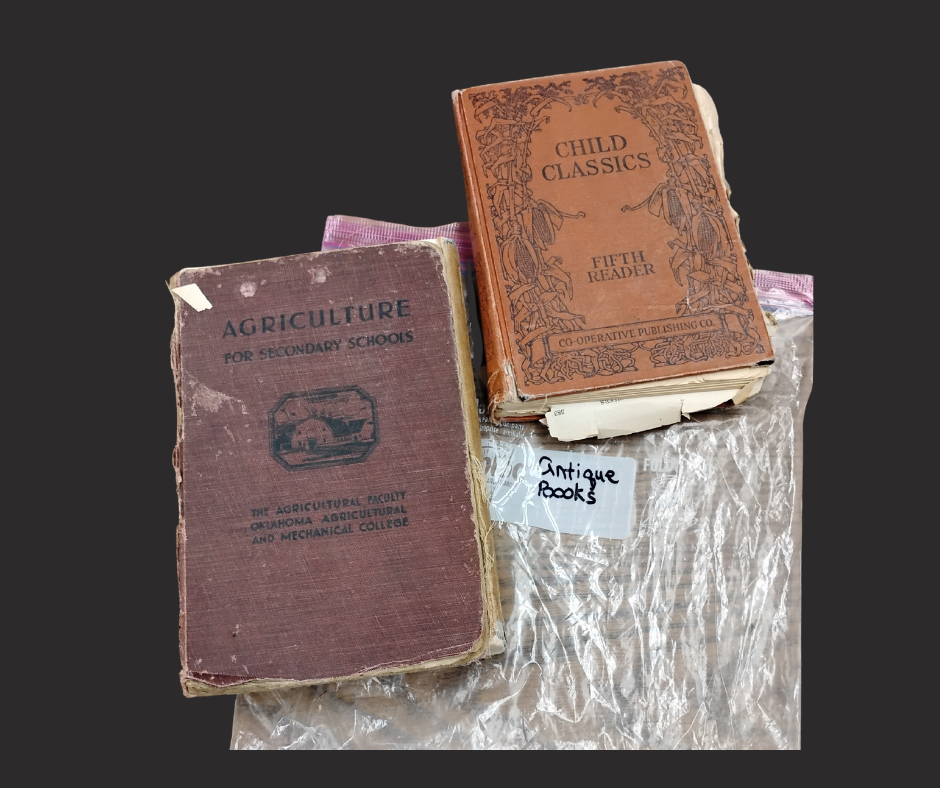
Child Classics and Agriculture for Secondary Schools
Published in Guthrie, Oklahoma, in 1934, Child Classics is a collection of literature recommended for students in the 1930s. Notice how these selections are different from a school literature book today. Agriculture for Secondary Schools was published by Oklahoma Agricultural and Mechanical College (now OSU) in 1934 to advise secondary students on the business of agriculture and economics. It provides advice on production and rural life itself.
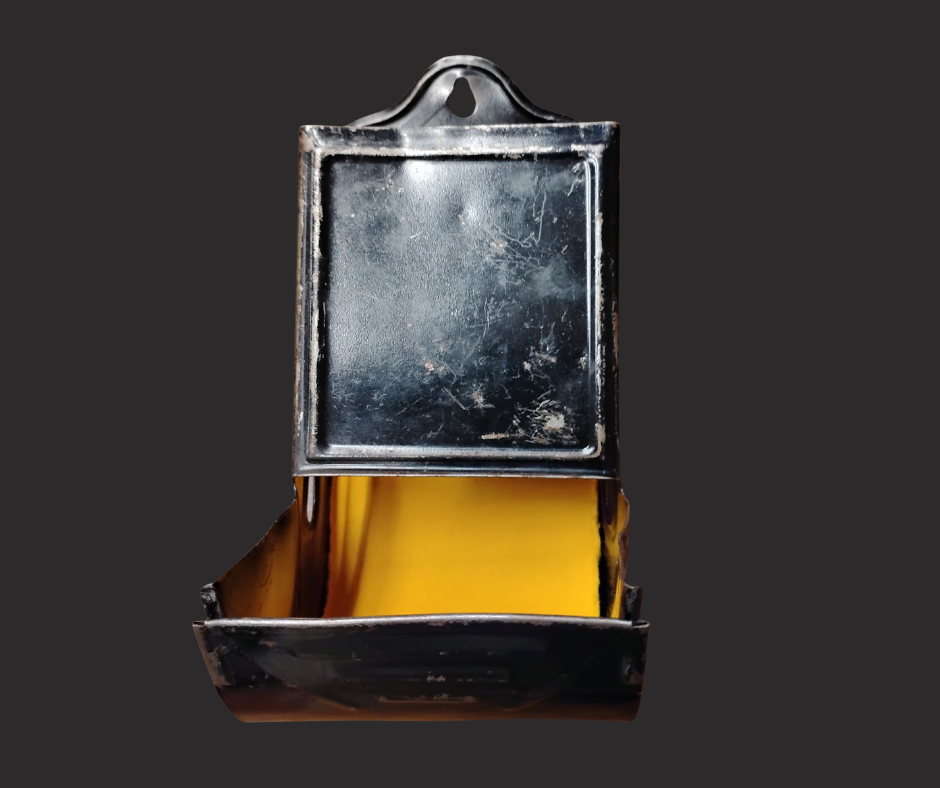
Match holder
Many homes in the 1930s did not have electricity, so matches were very important. A match holder hanging nearby provided easy access to these important tools of daily life.
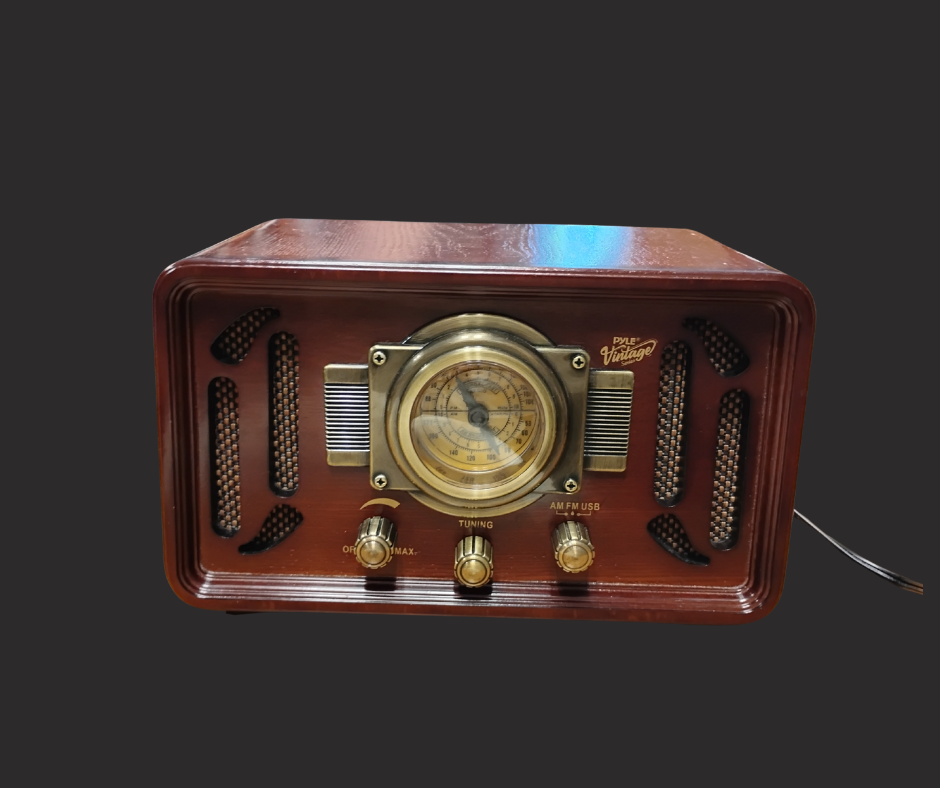
1934 Philco Radio and Audio Cable
This 1934 radio is typical of radios people used in their homes in the 1930s. It has been modified to allow students to hear actual 1930s radio shows through the speakers.
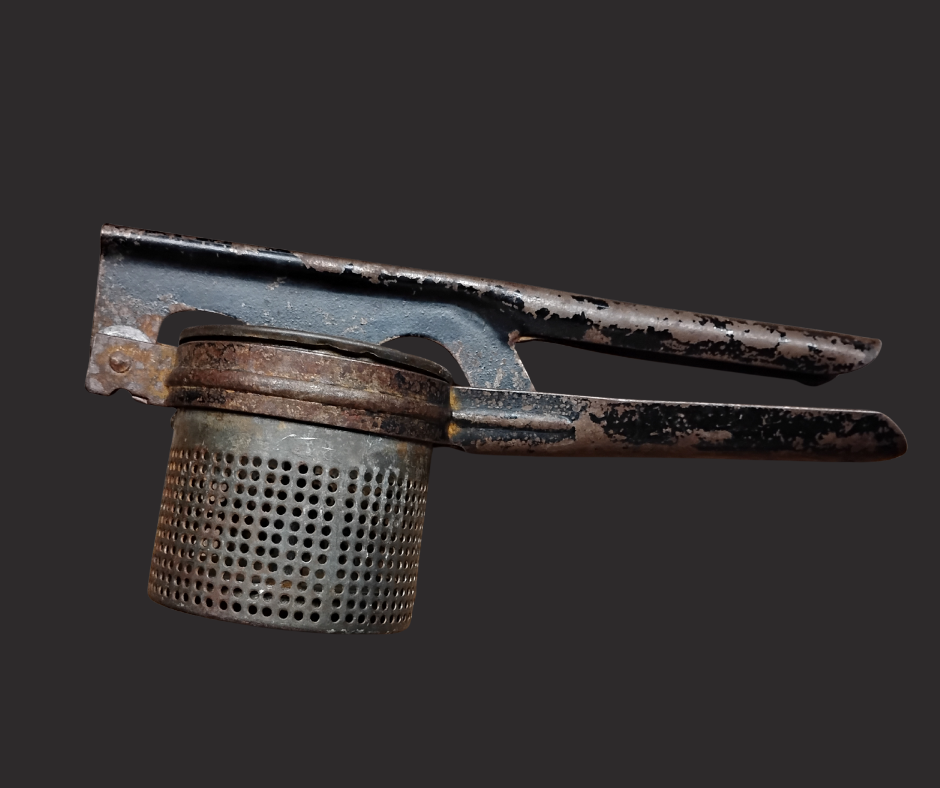
Potato Ricer
This potato ricer can be used to mash boiled or baked potatoes. It is also used to squeeze excess moisture out of raw potatoes.