Fur Trade Trunk
The Fur Trade trunk contains many items that you may use in the classroom for hands-on activities. Students may use their senses to explore the items. You may also encourage students to use the items for a role-playing exercise or other type of learning activity.
Trunk Topics Request a Trunk Checkout Process
The Fur Trade trunk contains many items that you may use in the classroom for hands-on activities. Students may use their senses to explore the items. You may also encourage students to use the items for a role-playing exercise or other type of learning activity.
Small Strip of Elk Hide
Trappers hunted elk for their meat and hides, and they nearly drove the elk to extinction by the late 1800s. American Indians hunted elk for their hides, meat, and teeth. They used the hides for clothing and tipi covers, and fashioned the teeth into necklaces. Traders could acquire hides from American Indians or trappers. Both American Indians and Europeans used the hides for clothing and blankets.
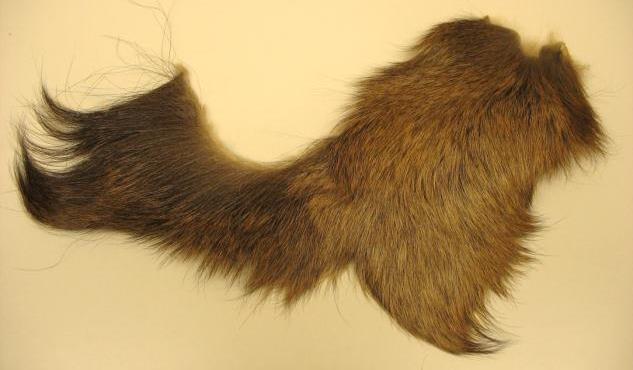
Mink Pelt
Trappers used dry trapping to catch minks. That means that they hid the trap on dry land under some sticks and leaves. They also put mink urine on the trap to lure the minks. Clothing makers used mink fur for collars, coats, and hand mufflers for women.
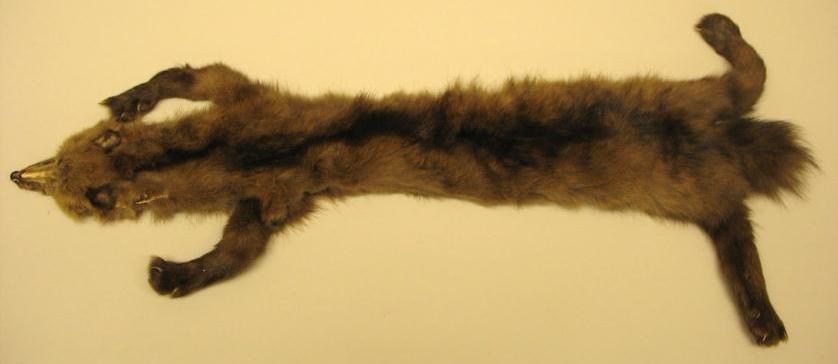
Beaver Pelt
The beaver pelt, or plew, was used for collars and coats, but its main use was for beaver hats. Traders used a device called a beaver press to bundle twenty furs together. Then they wrapped the bundle in a deer hide to protect it during shipment. Hat makers scraped the short and long hairs from the hide to prepare it for hat making. The short hairs contained lanolin, which made the hat water-resistant. Hat makers chopped up the long hairs and added them to a mixture called mash, which they would mold into the shape of a hat. The phrase “mad as a hatter” refers to the way hat makers would put mercury into the mash during the hat-making process. Mercury poisoning would cause the hat maker to develop mental and physical symptoms and, in many cases, die. The fashion of using beaver hats ended when hats began to be made of silk, which ended the fur trade.
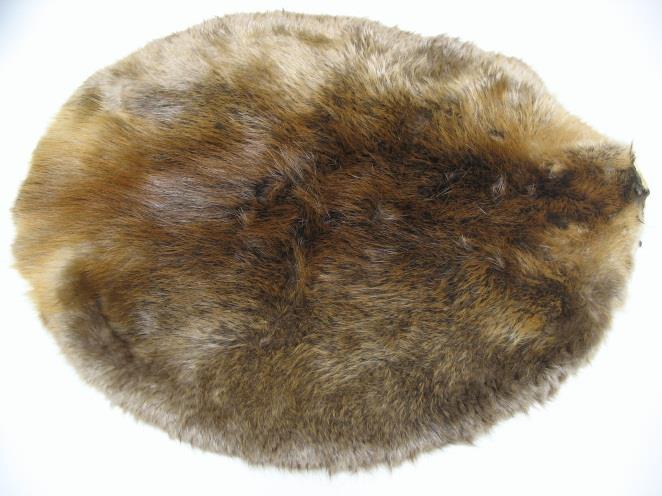
Beaver Teeth (2)
Beavers have large teeth that help them chew through wood. Both the upper and lower teeth grow about a quarter of an inch each year. In Oklahoma, the preferred trees for beavers are the cottonwood and weeping willow, which grow near water. Trappers used heavy traps placed near the water to catch beavers. These traps would drag the beaver down when it tried to swim away and drown it. Trappers had to make sure the beaver was dead before pulling the trap in. If the beaver were still alive, its massive teeth would rip through the trapper’s hands.
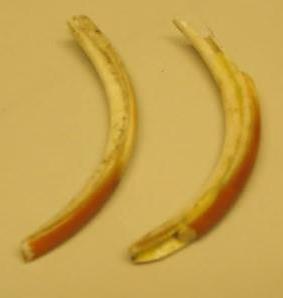
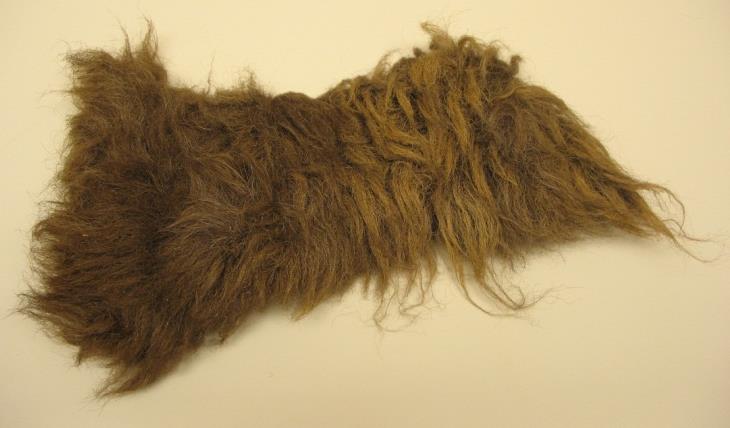
Bison Hide
Trappers would hunt and shoot bison for their hide, meat, and bones, though American Indians used as much of the bison’s body as possible. Traders could acquire hides from American Indians or trappers. For American Indians and traders, bison hides made excellent robes. In the 1870s, Americans and Europeans began using bison leather to make sturdy belts for machines in factories.
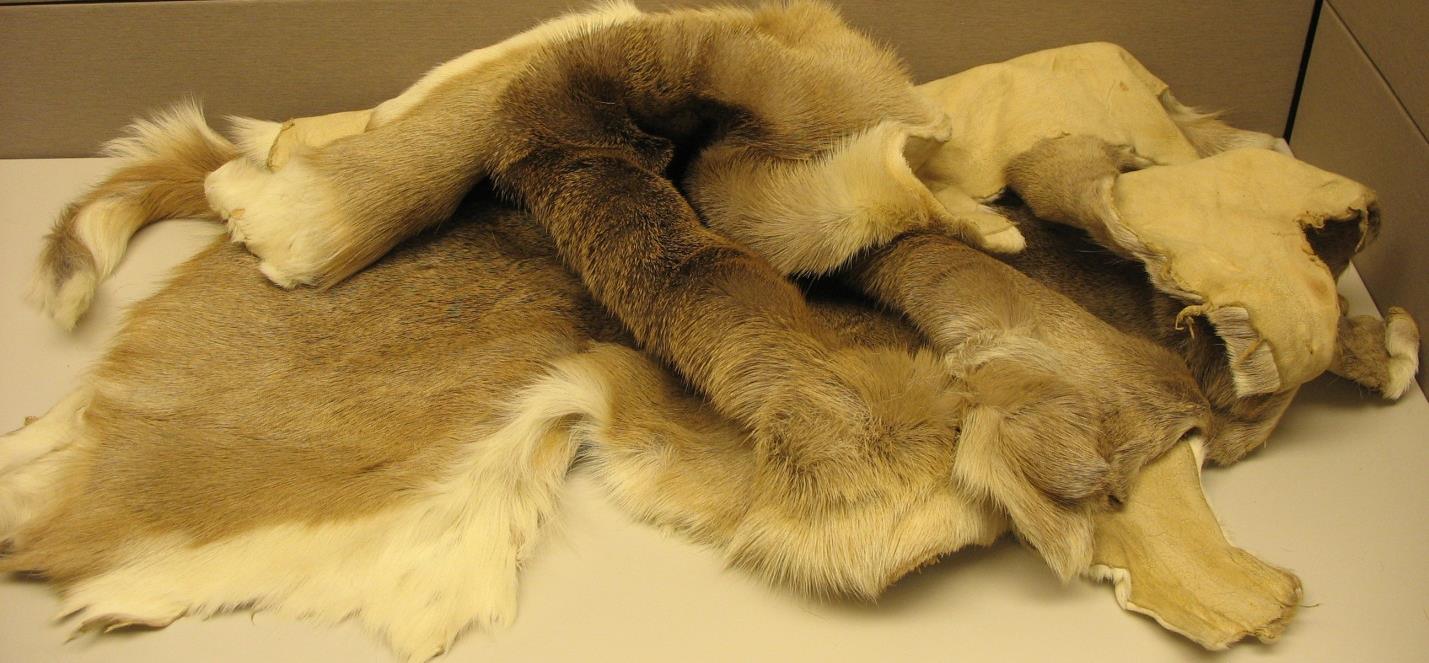
Deer Hide
Deer hides were the most popular hides traded in Indian Territory. Deer lived throughout the region. Trappers preferred hunting deer with rifles rather than traps. Traders used deer hides as packaging for other, more valuable hides during shipment. Though leatherworkers could use deer leather to make breeches, vests, and gloves, it was too thin and supple for shoes and belts. Please be aware that this hide tends to shed.
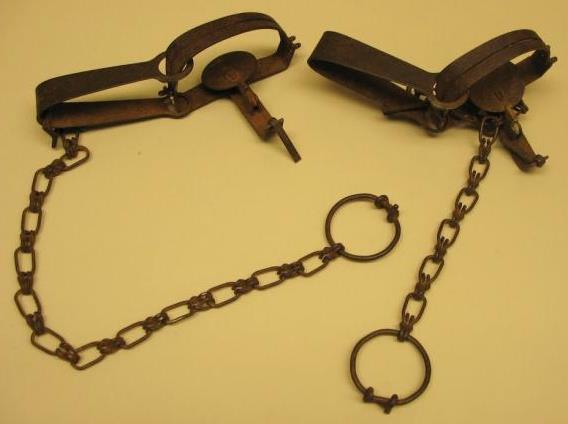
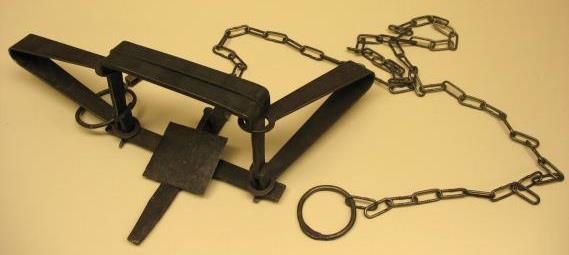
Small Trap (2), Large trap
These modern traps are similar to those used by early trappers. The traps all had common elements: one or two springs, the jaws, the plate, and the dog. The dog was a small piece of metal that would let the jaws spring shut when the animal stepped on the plate. Small traps were for smaller animals such as minks. Large traps were for animals such as beavers.
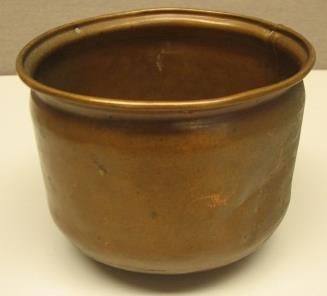
Metal Pot
Trade items were valuable to barter for American Indians and copperware was especially important in the trade process. Pots of different sizes were highly sought after by American Indians and the larger the pot, the more hides could be demanded in return.
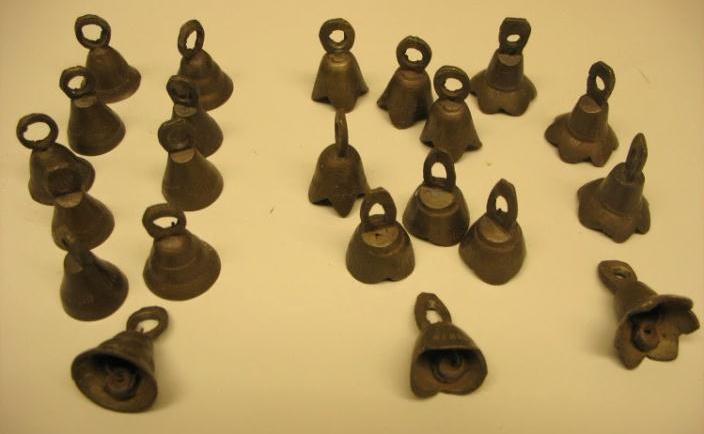
Brass Bells (22)
American Indian men and women prized brass bells as decorative items. Ornamentation showed the status of the wearer in the tribe. It meant the family could afford to trade for luxury items.
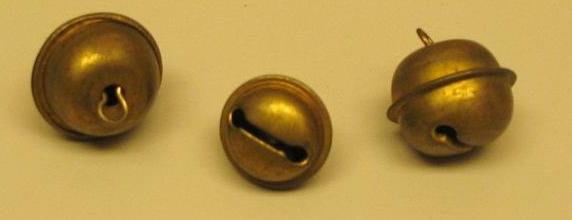
Brass Hawk Bells (3)
Hawk bells were a symbol of a warrior, so women did not use them. Men wore hawk bells in their hair and on their leggings. They sometimes tied them on their horses, war clubs, and tomahawks.
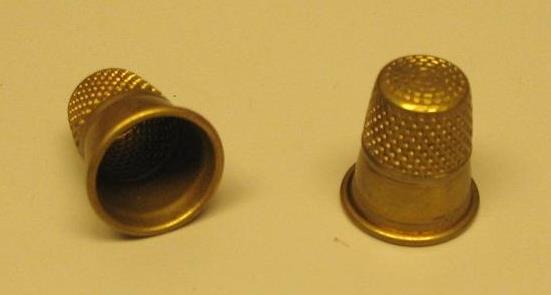
Brass Thimbles (2)
Some thimbles were made of wood, but American Indian women preferred brass thimbles. They were durable and very useful for sewing. Sometimes American Indian men would use brass thimbles as decorative items. They would place a small thimble inside a larger one and let it move around inside to make a tinkling sound. Sometimes they called these tinklers.
Brass Indian Bracelet
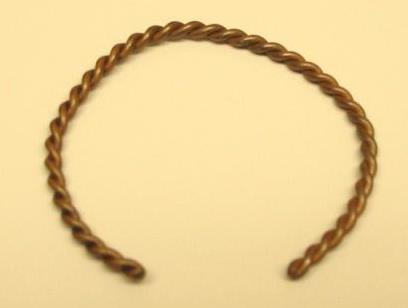
Traders exchanged copper, brass, and silver wire with American Indians for furs. American Indians crafters used this wire to form bracelets, earrings, and other decorative jewelry.
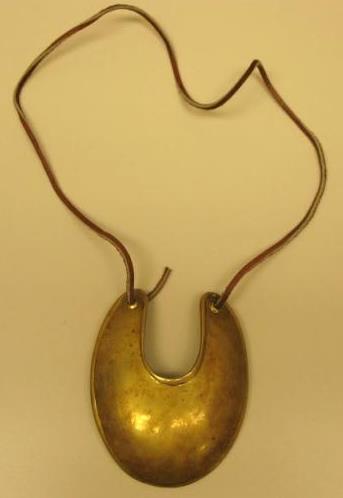
Brass Gorget
This item is an ornamental piece of metal worn just under the neck. Gorgets were common signs of military rank for both armies in the Revolutionary War. British officers wore them until 1830. Indians of many nations were interested in wearing the gorget, and it was a popular trade item.
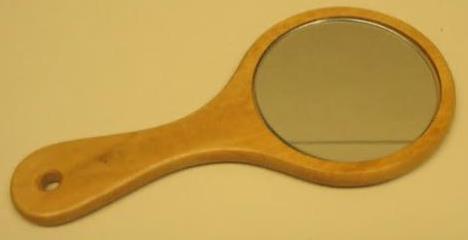
Trade Mirror
Mirrors, or looking glasses, became popular trade items among American Indians.
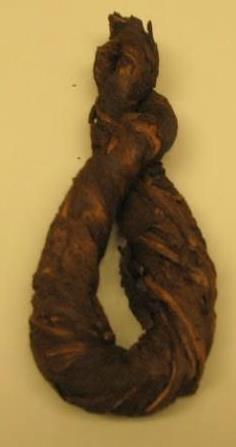
Twist of Tobacco
Tobacco was very popular on the frontier, and most trappers engaged in either chewing or smoking. Often tobacco was less a trade item and more of a gift to start the negotiations for furs and other trade goods.
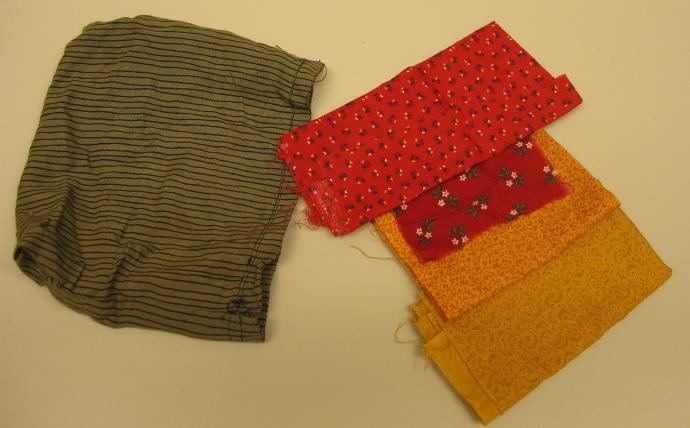
Calico Cloth Samples (4)
Calico was originally a white cotton fabric manufactured in Calcutta, India. In America, calico was the name for colored or printed cloth. Silk weavers in England strongly opposed printed cotton cloth. England banned cottons until 1774 and continued to levy oppressive taxes on calico until 1831. By 1820, Great Britain was exporting over 134 million yards of printed and dyed calico annually. American industry produced over 60,000 yards per week in 1824. A system of printing allowed for some very intricate designs of multi-colors with lower costs.
Trade calico was usually of one or two colors. American Indians sometimes used it to make cradleboard covers that were soft, breathable, and lightweight.
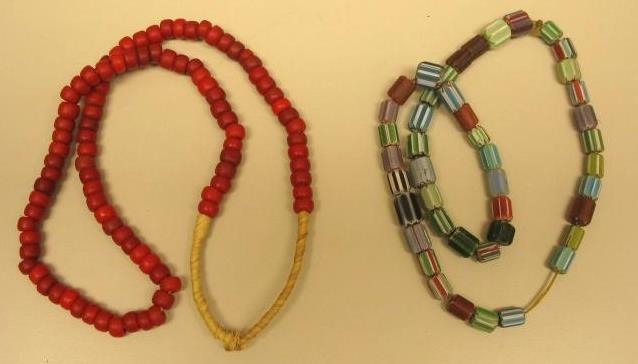
Glass Beads (2 bunches, 2 strands)
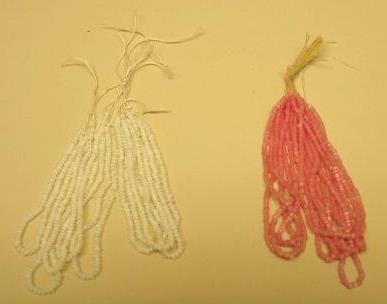
Beads were very popular as a trade item. The best glass beads came from Venice and were shipped to both Africa and America. The strands of beads included in the trunk represent several types. The large beads with colored stripes are called chevrons. The large red beads are called Red Padres. Both of these strands of beads are called pony beads, probably because the traders who introduced them used ponies to transport their goods. Because of their chunky size, they are good for necklaces but not for elaborate beadwork. The other beads are seed beads, which American Indians used to make intricate beadwork designs on clothing, moccasins, and bags.
Crafters produced glass beads in many colors, sizes, and shapes. To add colors, they would put minerals into the glass while it was hot. Bead shapes ranged from circles, ovals, tubes, and diamonds. Crafters made the shapes by stretching long canes of glass and cutting and polishing them to create the desired look. They could add layers of glass to give beads a floral or striped appearance.
Traders imported beads from Europe and Africa, and beads became very popular among American Indian tribes. They would trade smaller beads in bunches strung together and larger beads individually or in single strands. A string of small beads might be worth a single beaver pelt. A single large bead might be worth several hides. Different tribes preferred different colors, and prices fluctuated with the laws of supply and demand.
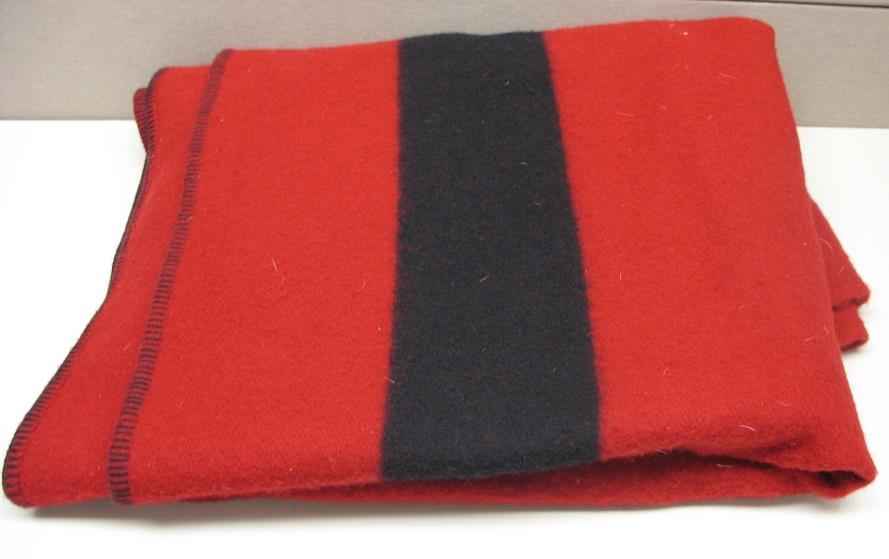
Red Point Blanket
This blanket is made of wool, but some blankets were made of cotton. The term “point blanket” probably originated in the 1690s when French traders asked weavers to stitch small lines into the blankets to indicate the size and value of a particular blanket. The French word empointer means “to make stitches in cloth.” The points, or stitches, indicate the size of the blanket: larger blankets have more points, while smaller blankets have fewer. Point blankets were red, blue, green, or white with black stripes on one end.
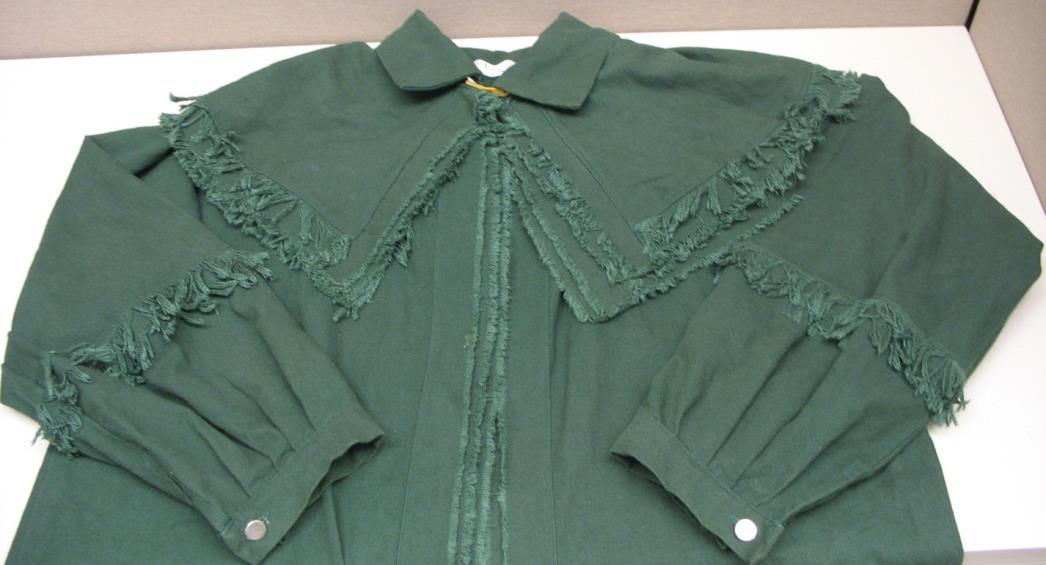
Green Cotton Canvas Hunting Shirt
This is an example of a typical hunting shirt worn by many trappers and traders in the 18th and early 19th centuries. It has lots of fringe, and it fastens at the neck with a silver button and a leather loop. It is durable and it protects the wearer from harsh weather.
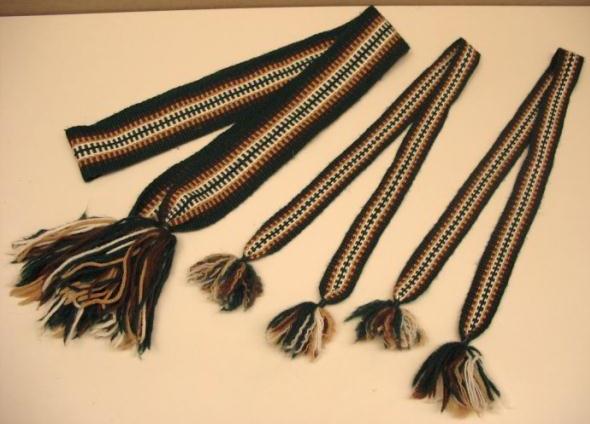
Finger-woven Belt and Garters
American Indian women used yarn made from plant fibers or wool to weave belts and garters by hand. Both men and women wore finger-woven accessories. Traders and trappers would acquire these items through trade and wear them as well. The wearer would tie the belt around the waist and tie the garters around the legs just below the knee.
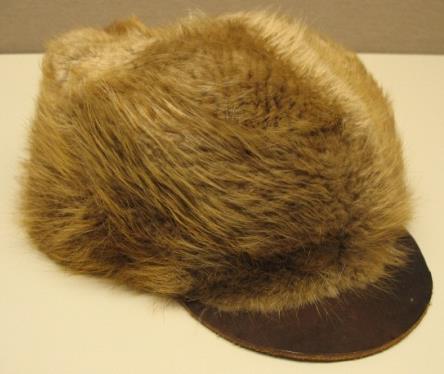
Beaver Hat
This is a hat made from a beaver pelt. It has a calico lining. Traders and trappers would wear beaver hats to keep warm in the winter.
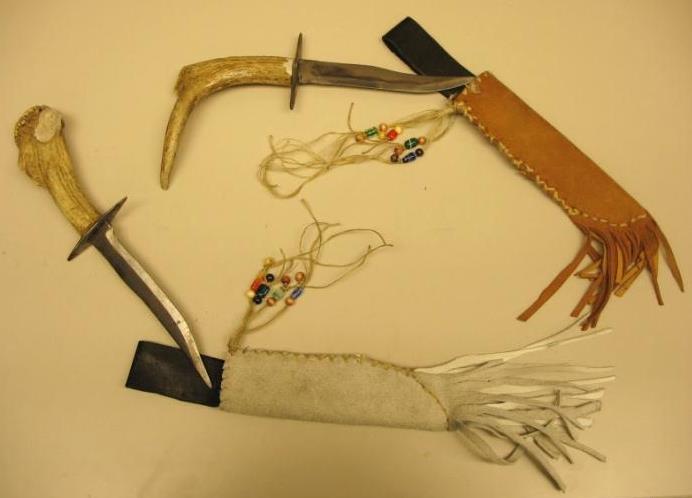
Knife and Leather Sheath (2)
Knives were especially necessary and valuable on the frontier. They came in a variety of shapes and sizes, often for very specialized duty. Blacksmiths made knives by hand with different types of grips such as leather, bone, wood, or antler. Each trapper would fashion his own type of sheath to house the knife. Some knives were for skinning hides, and others were all-purpose knives for the cutting of food, leather, or rope. Sometimes the knife’s owner would add decorative elements such as beads.
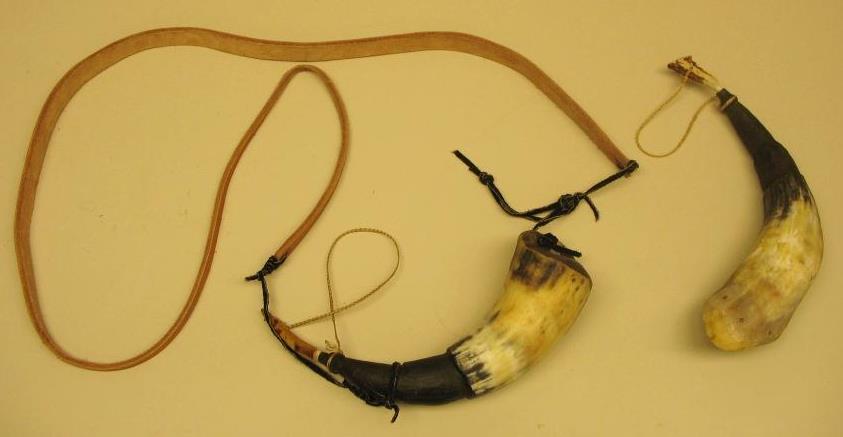
Powder Horn (2)
Powder horns were usually made from a cow or bison horn and were quite common on the frontier. The powder horn would keep the powder for the rifle dry, and it provided ease in loading the rifle. Experienced firearms users knew that you should not pour powder directly from the horn. It might spill or pour out too much, and they needed an exact amount of powder to shoot the rifle. Also, the rifle might contain a spark and pouring straight powder might cause the whole horn to blow up in the trapper’s hand. They would use a powder measure to get the right amount. Trappers and traders also used powder horns to hold salt and other goods.
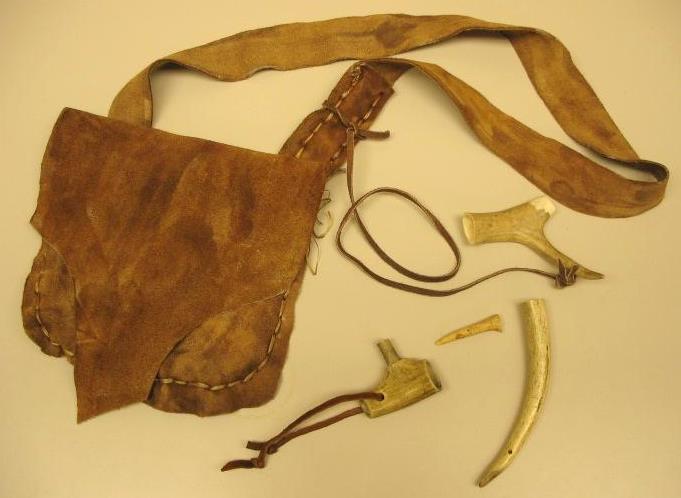
Powder Measure and Ball Starter
Trappers had to conserve all their supplies because space was limited and places to buy supplies were few and far between. Gunpowder for the rifle or musket was no exception. Powder had to be measured the same for a clean shot and not overload the rifle and waste the powder. After carefully pouring the powder from the measure, the hunter/trapper would place the lead ball and a greased bit of cloth down the barrel. The small knob on the powder measure would “start the ball.” Trying to push the ball with the wooden ramrod would result in the ramrod snapping, so the ball starter pushed the ball down the barrel a bit and then the ramrod would finish the task.
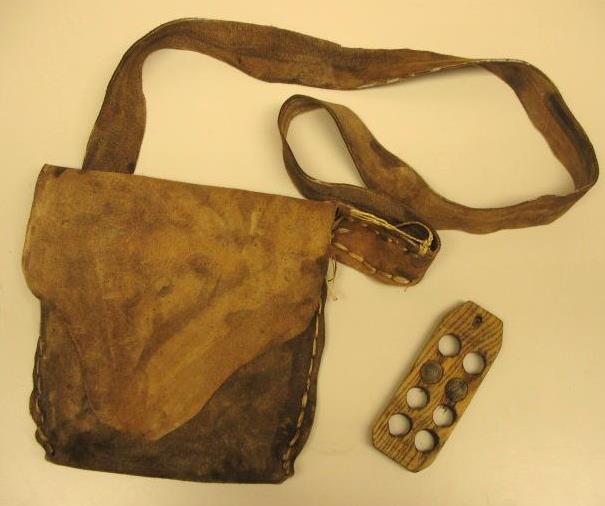
Ball Block and Rifle Balls (2)
Rifles, muskets, and pistols had to be loaded one shot at a time. Powder was measured and poured down the muzzle. A cloth patch had to be cut, greased, and wrapped around the ball. This not only created a seal, but also cleaned the barrel at the same time. Either a small amount of powder was poured into the pan or if the weapon was a cap and ball, then a cap was placed over the nipple.
All of this consumed time and sometimes the trapper/hunter did not have that much time to load. The ball block eliminated some of the steps by already having a greased patch around the ball. All the hunter had to do was put in powder and place the ball block over the muzzle and use the ball starter. Then he would draw the ramrod and push the ball and patch down the barrel. Finally he would cap the nipple or prime the pan (if using a flintlock), and the gun would be ready to fire.
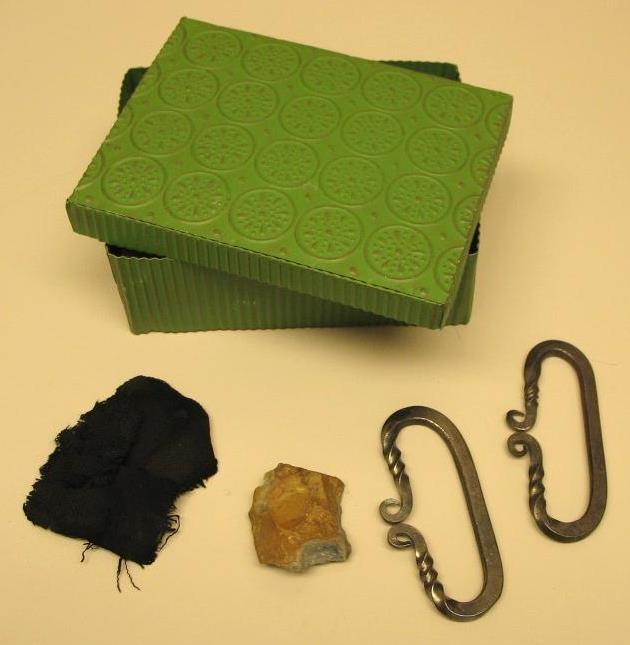
Iron Striker, Flint, and Char-cloth in Green Metal Box
To make fire, you need several items: a hand-forged striker, a piece of flint, char-cloth, and tinder. Char-cloth was cotton cloth heated to the point of being almost ash, which would take a spark easily. The striker was placed over the knuckles with a piece of char-cloth hanging down. The flint was scraped down the striker.
DVDs
- Three Forks DVD
- Fur Trade in Oklahoma DVD