Latino Trunk
The Latino trunk contains toys, tools, art, figurines, and instruments representing countries and regions such as Bolivia, Costa Rica, Curacao, Cuba, Dominican Republic, El Salvador, Guatemala, Honduras, Mexico, Nicaragua, Peru, Puerto Rico, and Venezuela.
Trunk Topics Request a Trunk Checkout Process
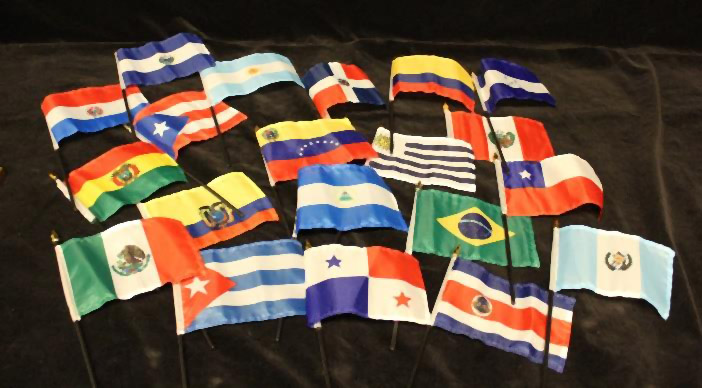
20 Latin American Flags with Stands
These flags represent some of the countries that make up Latin America. To learn the story behind the flag designs.
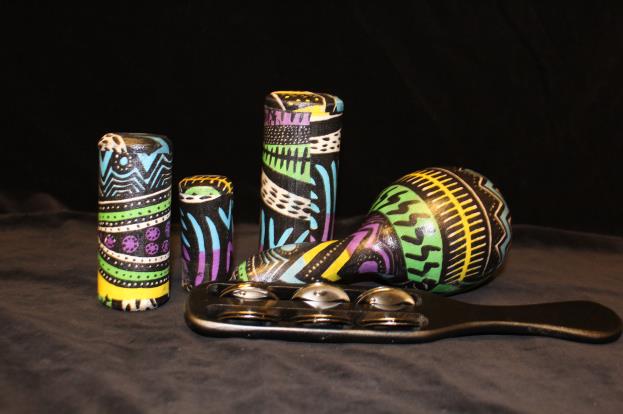
Caribbean—Five-Piece Percussion Set
This set includes three shakers, maracas, and a jingle stick. Many genres of Latin music strongly emphasize the beat. Sample any salsa, cumbia, bachata, or reggaeton song, and the beat will be the most important part. A strong beat makes a song easy to dance to!
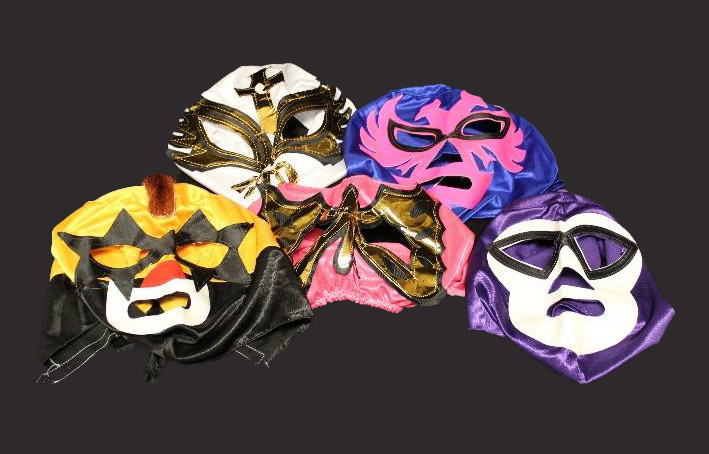
Mexico—Lucha Masks (Set of Five)
Lucha, meaning “fight”, is the Mexican style of professional wrestling. This kind of wrestling is much more acrobatic and high-flying than its American or Canadian counterparts. You can see examples of Lucha or Lucha-inspired wrestling in many promotions, such as Rey Mysterio or the Lucha House Party in WWE, or the Lucha Brothers on AEW. For Luchadores, a code of honor exists surrounding the mask that wrestlers must follow. Outside of a mask vs. mask stipulation/match, a luchador attempting to remove an opponent's mask demonstrates a lack of honor and risks angering the crowd.
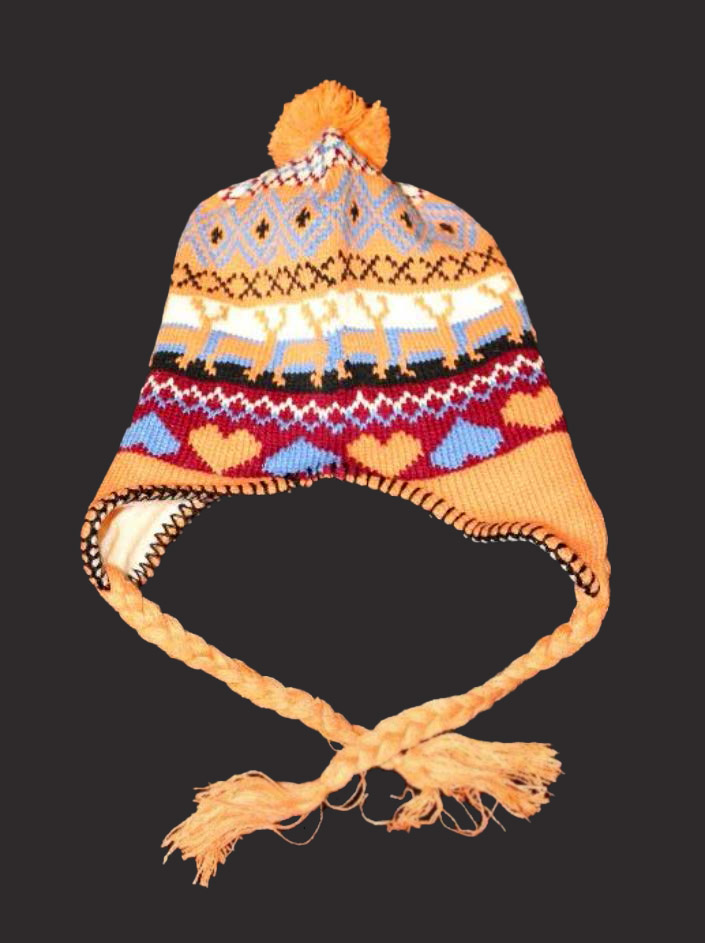
Peru—Chullo (Hat)
Commonly worn by people living in the Andes Mountains in South America, the chullo is typically made from alpaca, llama, vicuña, or sheep’s wool. Staying warm in the chilly high altitudes makes the chullo, with the distinctive earflaps, an important garment. Different indigenous groups will wear specific styles or colors.
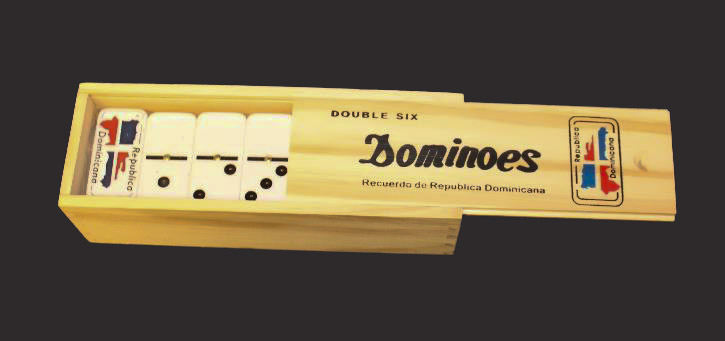
Dominican Republic—Domino Set
The game of dominoes is popular worldwide, including throughout Latin America.
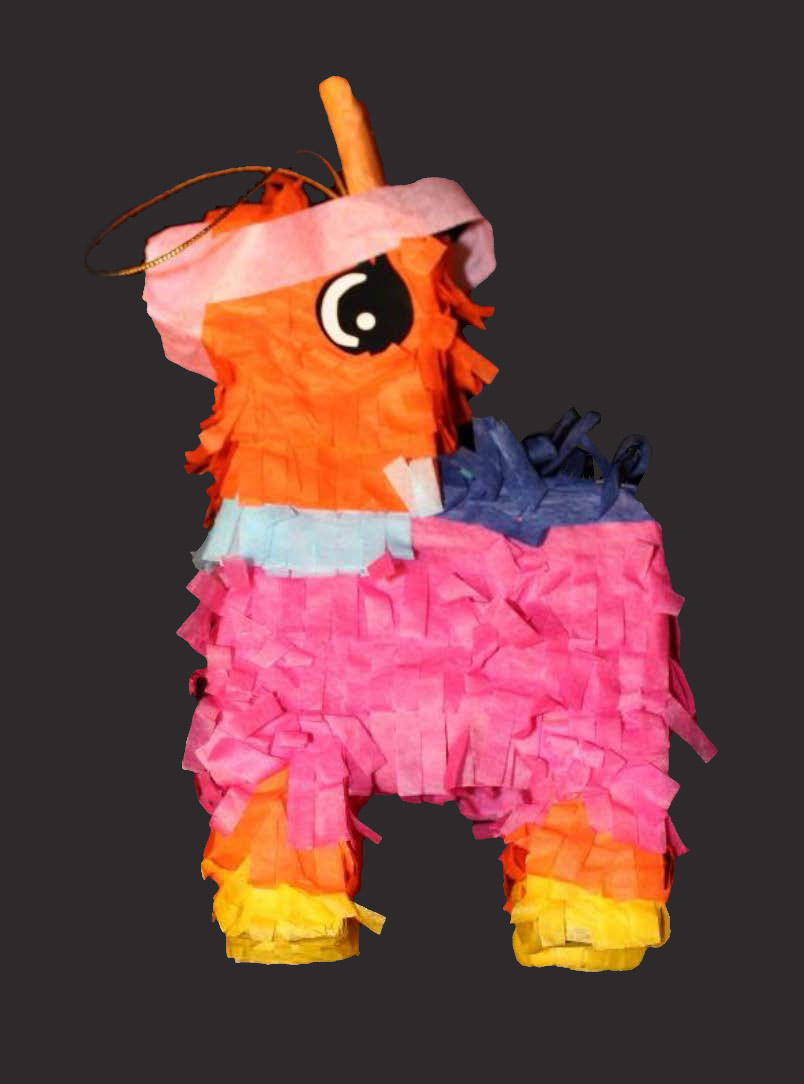
Mexico—Donkey Piñata
While piñatas are used in celebrations in many countries, they are most closely identified with Mexico. The Spanish brought a version of the piñata to Mexico when they colonized. Families love to get a piñata for large celebrations. The blindfolded players used a stick to hit the piñata, attempting to break it open. Once someone breaks it open, everyone races to collect the candies that fell out.
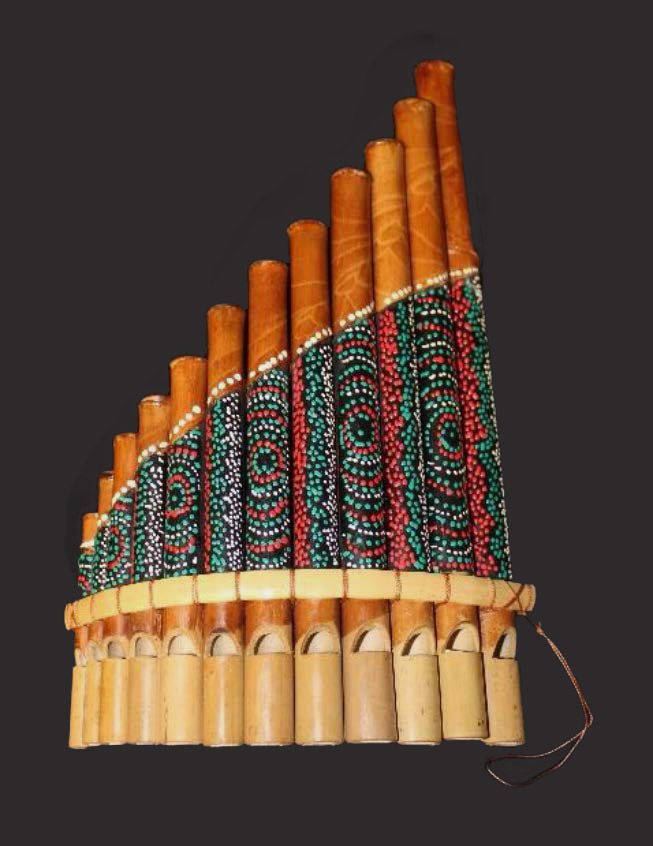
Bolivia/Peru—Panpipe
The siku (or zampoña in Spanish) is closely associated with Andean culture of the Aymaras and connect to the time of the Incan empire. You can find the history of the siku and musical samples at nativefluteswalking.com.
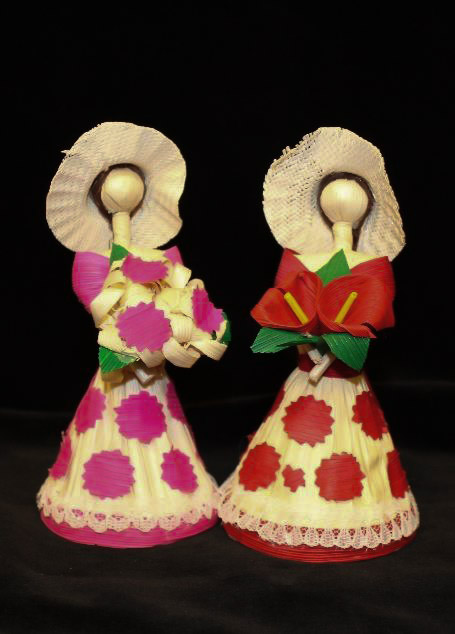
North/South America—Cornhusk Dolls
These cornhusk dolls are from Mexico, but every culture that grew maize had its own cornhusk dolls. Maize is a staple in many Latin American cultures.
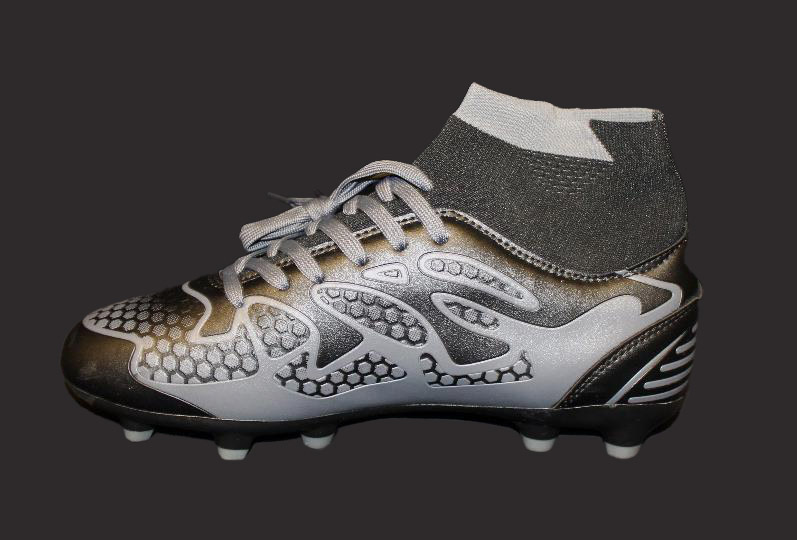
Global—Fútbol Cleat
Many Latin American countries, notably Brazil and Argentina, field highly competitive national teams that challenge for the top spot in the World Cup competition every four years. Many of the sport’s best competitors are originally from Latin America, including Pelé, Maradona, Messi, and Ronaldo.
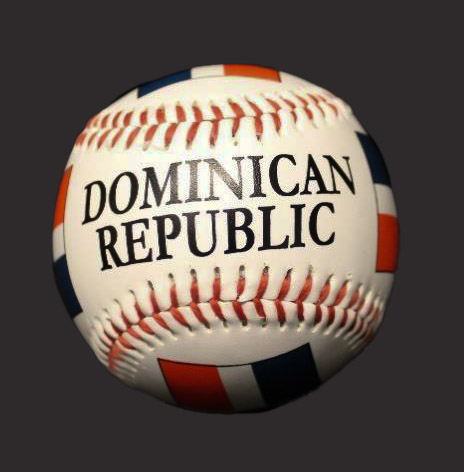
Dominican Republic—Baseball
Baseball remains popular in several Caribbean countries, especially the Dominican Republic. DR has the second highest number of players in Major League Baseball, behind the US, even though they only have 10 million people in their entire country! They can claim some of the greatest baseball players of all time. Pedro Martínez, Sammy Sosa, David Ortiz, and Robinson Canó are all Dominican players.
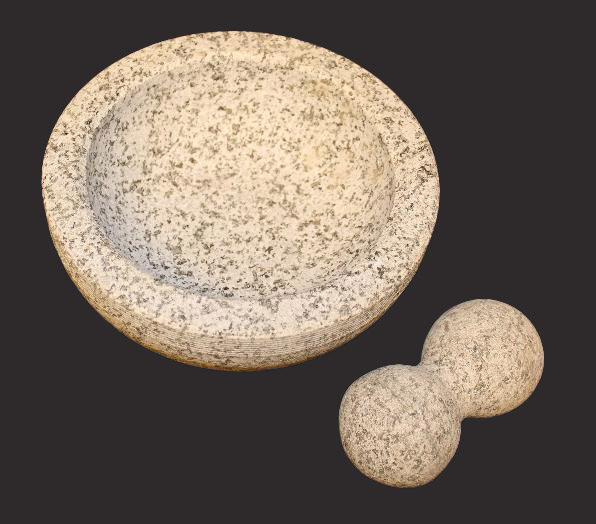
Latin America—Molcajete and Tejolote
This is the Mesoamerican version of a mortar and pestle. Usually made of basalt or volcanic rock, the surface is slightly rough, which makes it easier to grind the food. The molcajete seasons as it is used. This gives a distinctive flavor to the salsas and other foods made in it.
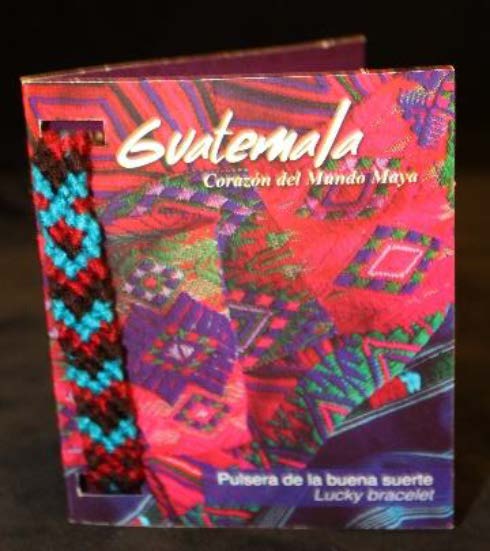
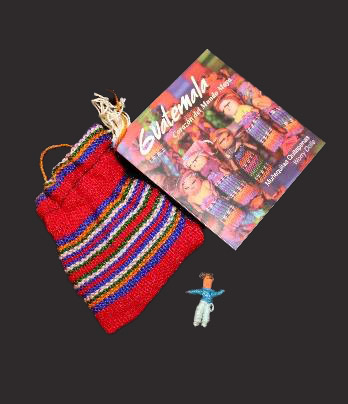
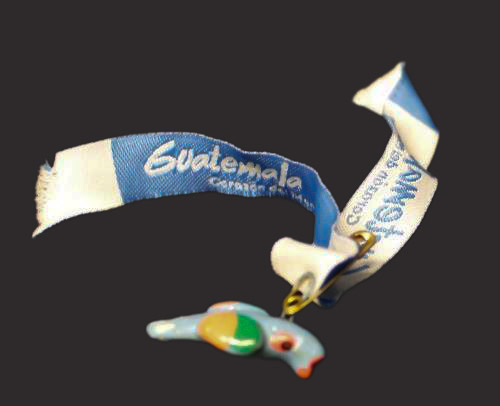
Guatemala—Woven Bracelet, Worry Doll, and Quetzal
These items, donated by the Guatemalan Consulate, represent several important elements of traditional Guatemalan culture. Historically, weaving was a critical skill for women, and the distinctive colors and difficult patterns indicate the importance of woven garments. According to Mayan tradition, children share their anxieties with a worry doll and then place it under their pillows. Overnight, the worry doll provides the necessary guidance for their troubles. The quetzal is the national bird of Guatemala and the name of Guatemala’s currency. The quetzal possesses a central place in Mayan culture.
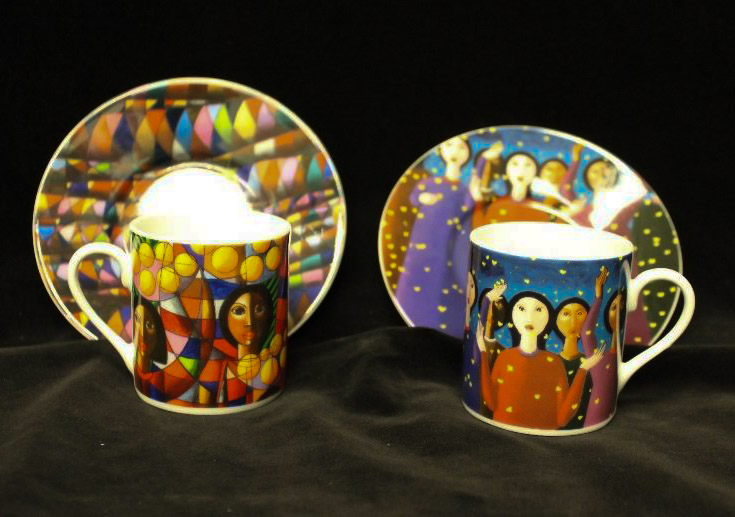
Dominican Republic—Demitasse cups and saucers (2)
These cups are designed to serve a kind of coffee called espresso. Coffee is grown in several places throughout Latin America, and the Dominican Republic is a major producer. Like in most Caribbean countries, a great cup of coffee is valued in the Dominican Republic. The images on the cup reflect the island's diverse ethnicities.
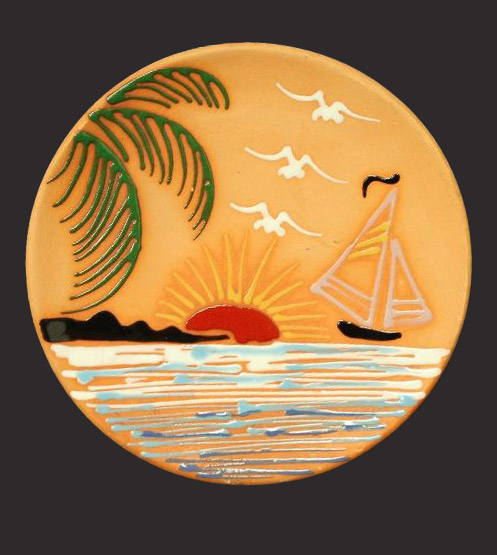
Dominican Republic—Painted Ceramic Plate
This decorative plate’s scene of a sunset over a beach is representative of what many DR residents see on their island in the Caribbean Sea.
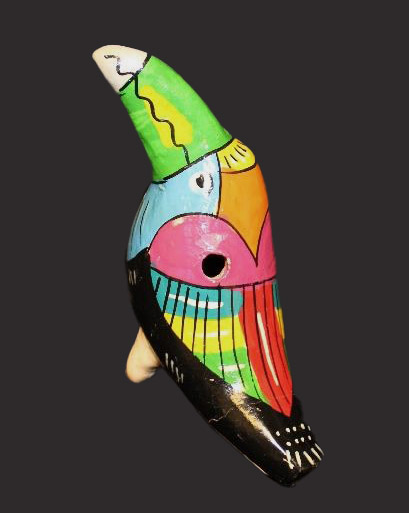
Costa Rica—Toucan Whistle
The Central American country of Costa Rica is primarily a lush tropical rainforest, an ideal habitat for many birds, including parrots. These beautiful birds would be a common sight for anyone from rural Costa Rica.
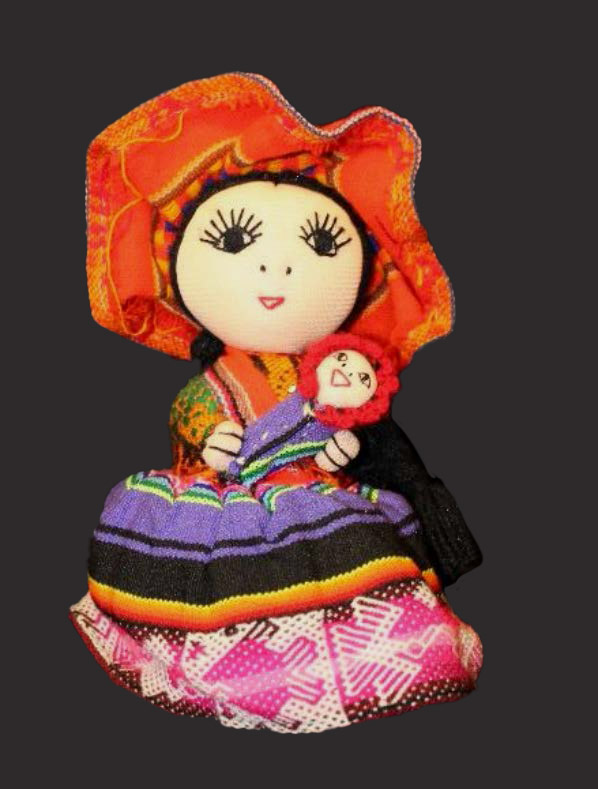
Peru—Cloth Woman and Child
This doll set shows the national dress of a Peruvian woman. The patterns, colors, and hat style are specific to a geographic region and even a village.
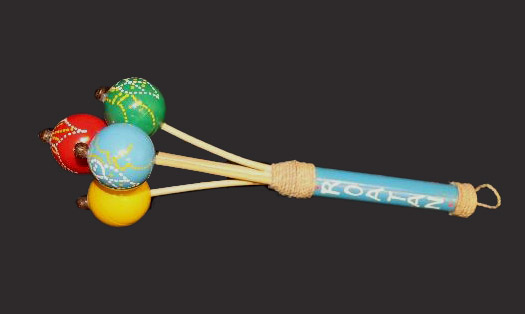
Honduras—Roatan Rattle
Roatan is an island off the northern coast of Honduras. It serves as a major tourist destination.
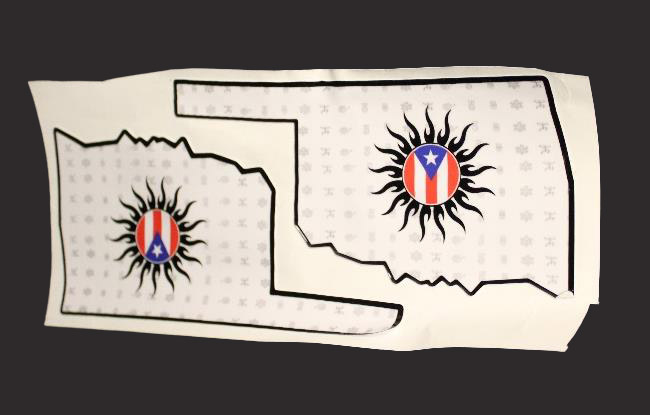
Puerto Rico Oklahoma—Decal Logo of Fundación Puertorriqueña PR En Oklahoma
This organization provides Puerto Ricans living in Oklahoma with a central place to share information and organize activities. They also fund a scholarship for Puerto Rican students.
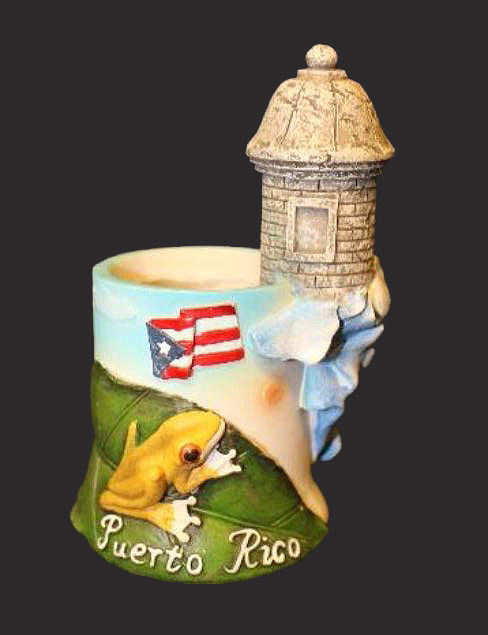
Puerto Rico—Frog Flag Fort Vase
This small souvenir shows the Coquí frog, the Puerto Rican flag, and the Castillo San Felipe del Morro. This piece includes symbols from the different eras of Puerto Rican history. Millions of frogs populated the island prior to colonization, while the citadel was built under Spanish rule. The flag is the flag of the Commonwealth of Puerto Rico, a territory of the United States.
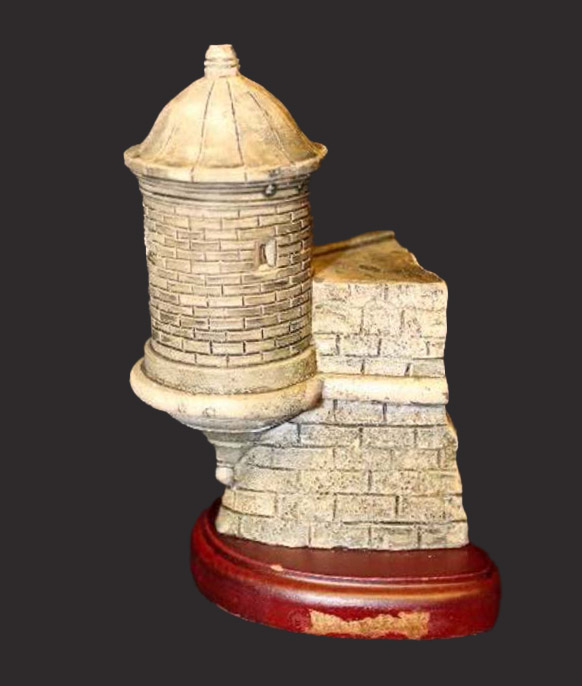
Puerto Rico—Castillo San Felipe del Morro
This small sculpture depicts the citadel built by the Spanish on the northern coast of Puerto Rico between the 16th and 18th centuries. It was built to defend San Juan, the capital, from nautical attack. It is called El Morro by Puerto Ricans.
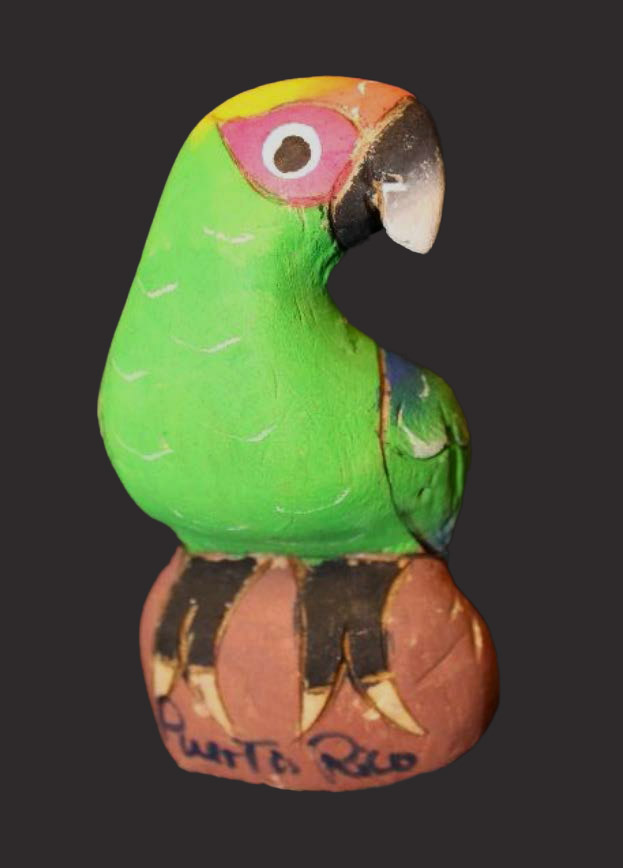
Puerto Rico—Parrot
Critically endangered today, the Puerto Rican parrot numbered in the hundreds of thousands at the beginning of the Colombian exchange. Today, largely because of deforestation, there are fewer than 30 Puerto Rican parrots living in the wild on the island.
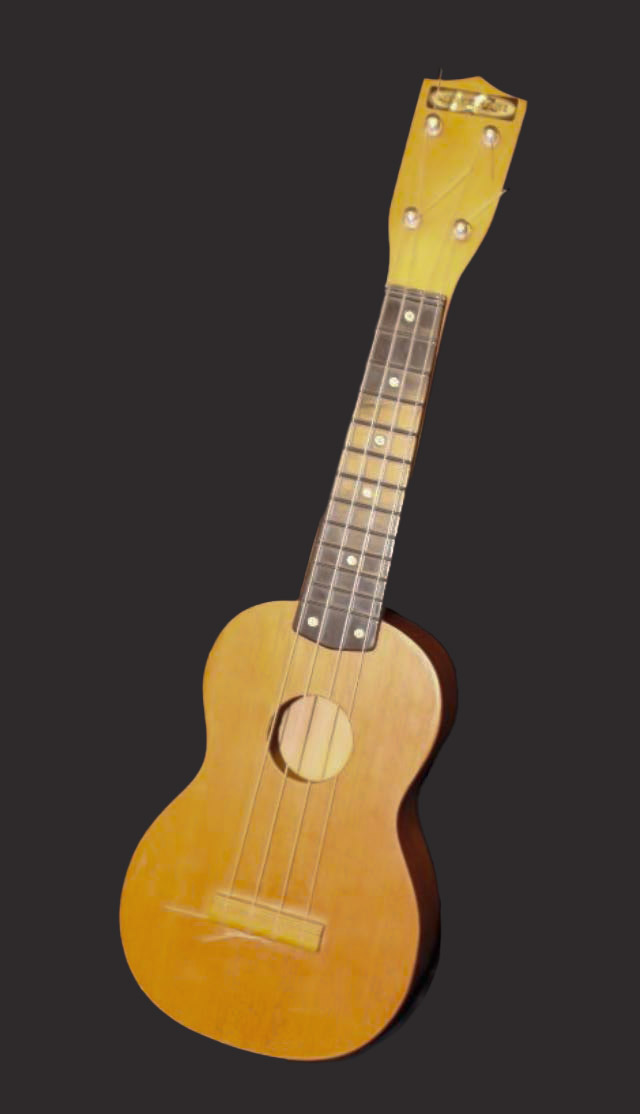
Latin America—Ukulele
Many Latin American musical styles feature a wide variety of stringed instruments, including the ukulele.
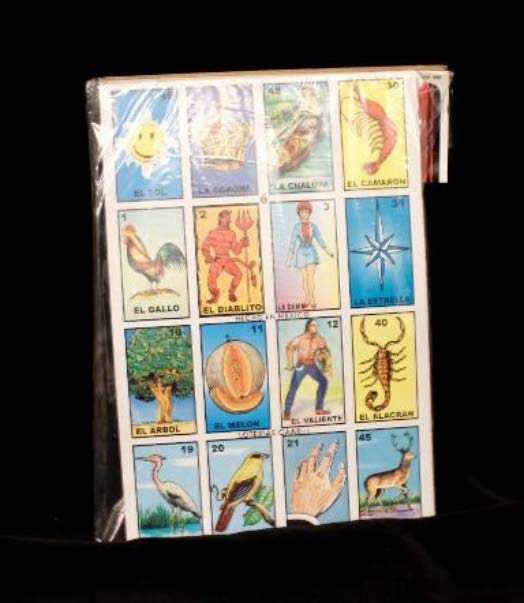
Mexico—Lotería Cards
This game is very similar to bingo, except it uses usually a deck of cards to select the pieces. This is a very popular game in both Mexico and the United States. An interesting way to explore the cultural importance of this game is to check out the Google Doodle about Lotería at doodles.google/doodle/celebrating-loteria.
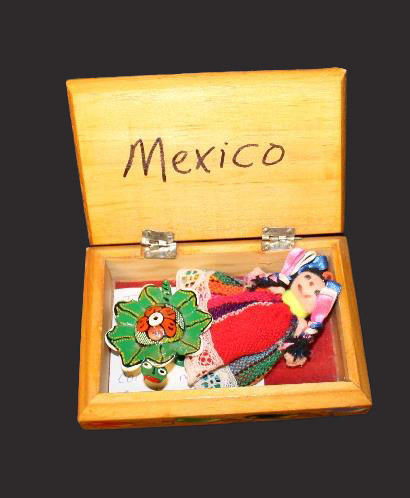
Mexico—Jewelry Box, Turtle, and Doll
This box, doll, and turtle are small items that can be purchased from indigenous artists in corner markets or plazas throughout Mexico.
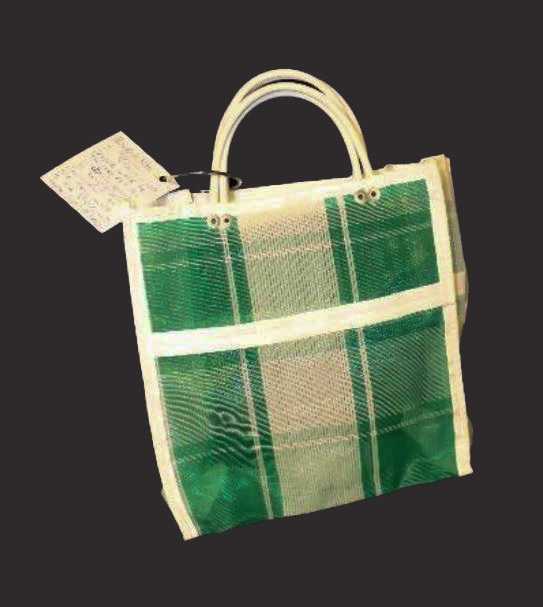
Mexico—Market Bag
These are the small bags families use for their daily shopping at shops in Mexico’s cities and towns.
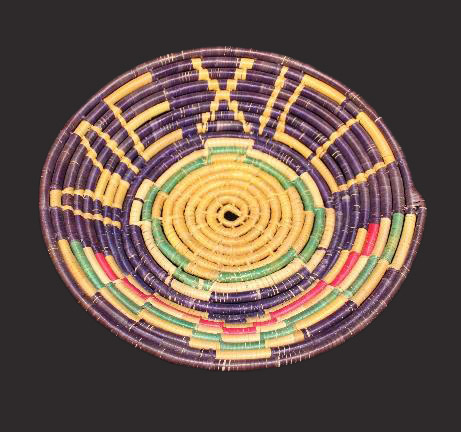
Mexico—Woven Basket
This is a coil-woven basket. These are sold in corner shops or stalls in a central market. There will be a wide variety of shapes and styles to choose from.
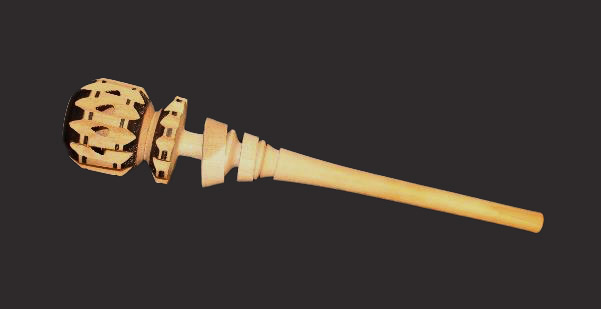
Mexico—Molinillo
This traditional wooden whisk is an important tool in a Mexican household, dating back to the Aztec empire. The whisk is best known as essential for a proper cup of hot chocolate.
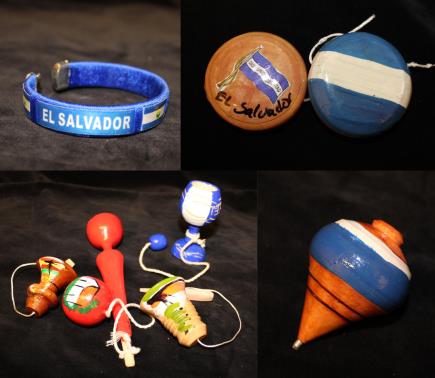
El Salvador—Toys and Bracelet
These items are representative of small toys for children made and sold throughout Central America. The bracelet uses the color of the El Salvador flag to represent the nation.
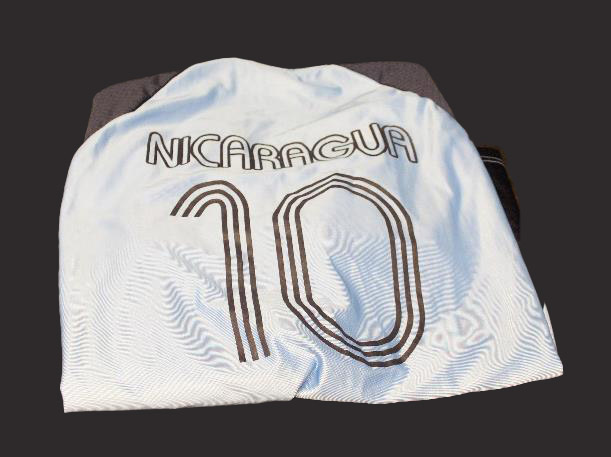
Nicaragua—Fútbol Jersey
This shirt is part of the uniform for fútbol players. Today, the fabric would be lighter.
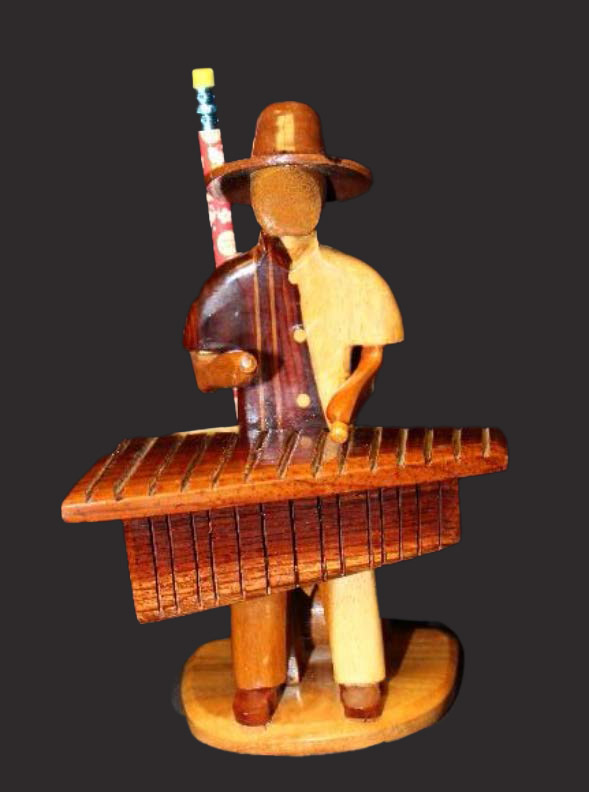
Nicaragua—Marimba Player Pen Holder
Creating small wooden crafts provides work and income for individuals with disabilities. The penholder shows a man playing a marimba, which is a very important instrument throughout Central America. A quick search online will let you hear what marimba music sounds like!
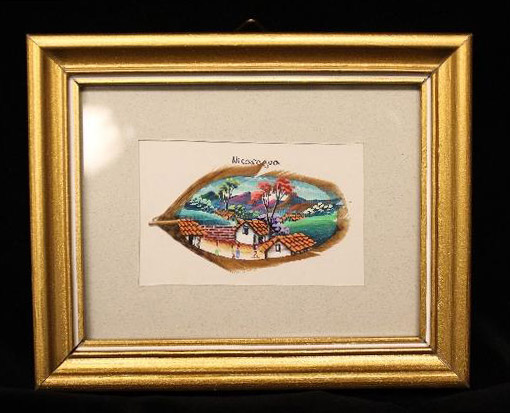
Nicaragua—Tiny Landscape
This small picture shows the geography of Nicaragua. The mountains in the background run through the center of the country. The scene represents what small villages often look like.
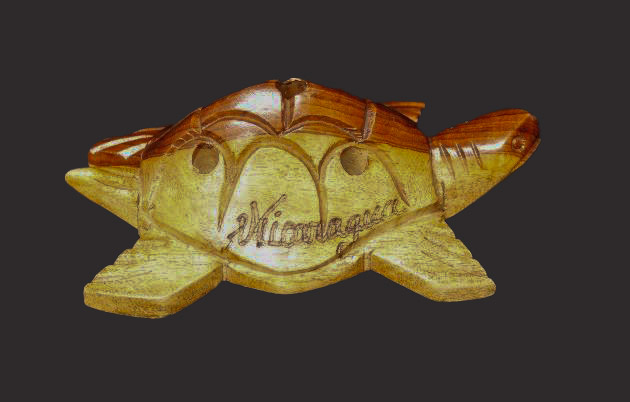
Nicaragua—Carved Turtle
Because Nicaragua has extensive coastline, sea turtles are regular visitors to its beaches. This small wooden, carved turtle was created in a program for Nicaraguans with disabilities.
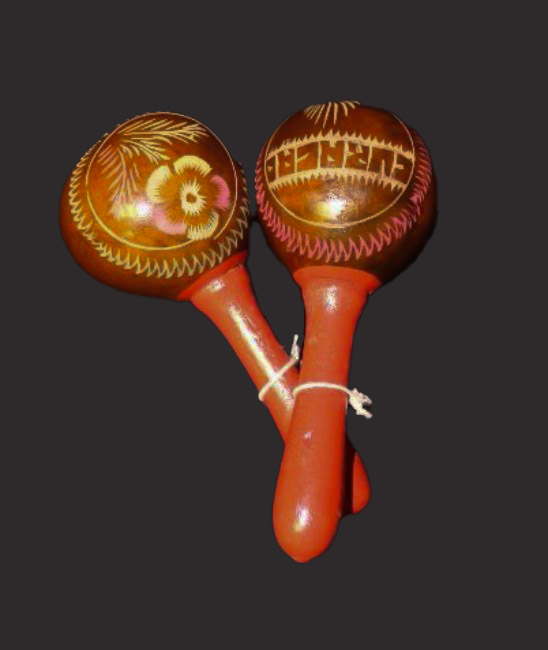
The Netherlands—Curacao maracas
Maracas are a common percussion instrument throughout Latin America. In addition to the independent countries throughout Latin America, other countries control some lands throughout the region. Curacao is an excellent example. It is an island off the coast of Venezuela, but it is controlled by the Netherlands. It is a tourist destination and is very notable for its brightly colored Dutch architecture.
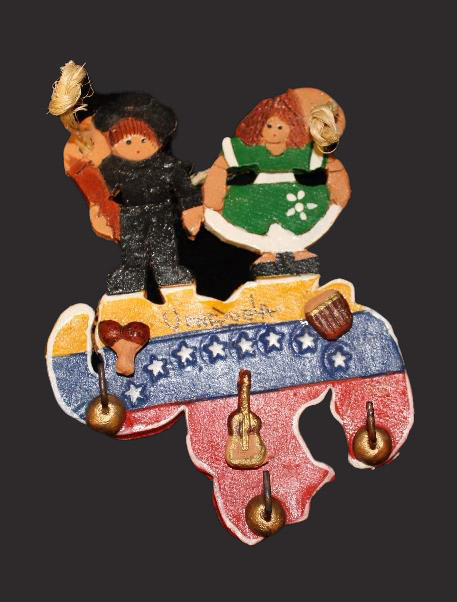
Venezuela—Flag-Themed ceramic
This small ceramic depicts several aspects of Venezuelan culture, including the colors of the flag, traditional dress, and important musical instruments.
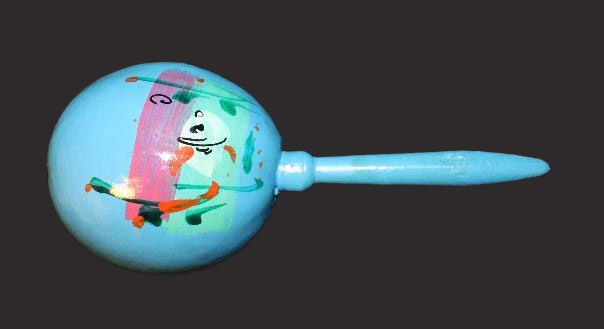
Cuba—Rattle
This musical rattle depicts an ocean scene common in the island nation of Cuba.
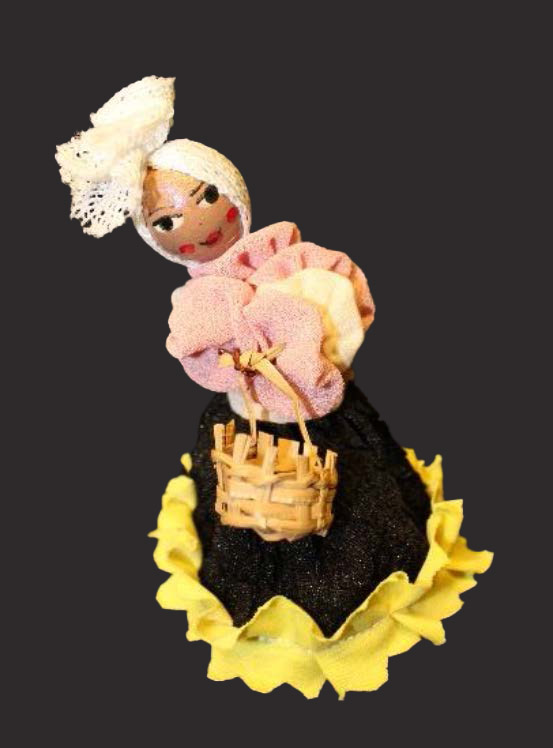
Cuba—Woman with Hair Wrap and Basket
This small piece shows the traditional dress and headwrap commonly worn by Afro-Cubans.
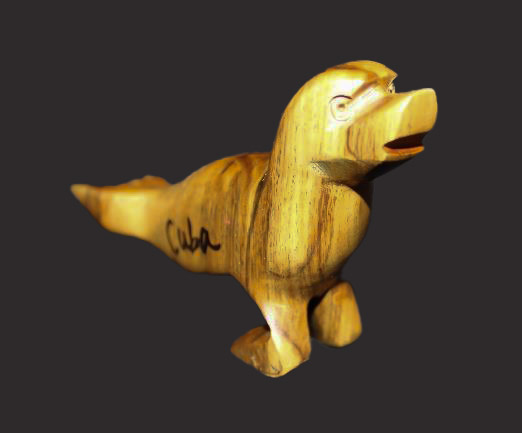
Cuba—Seal
This piece is a small Caribbean monk seal carved from wood. The seals’ habitat includes Cuba.
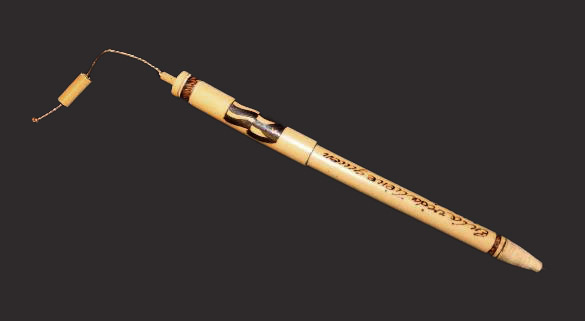
Cuba—Wooden Pen with Flag
This pen shows the Cuban flag.
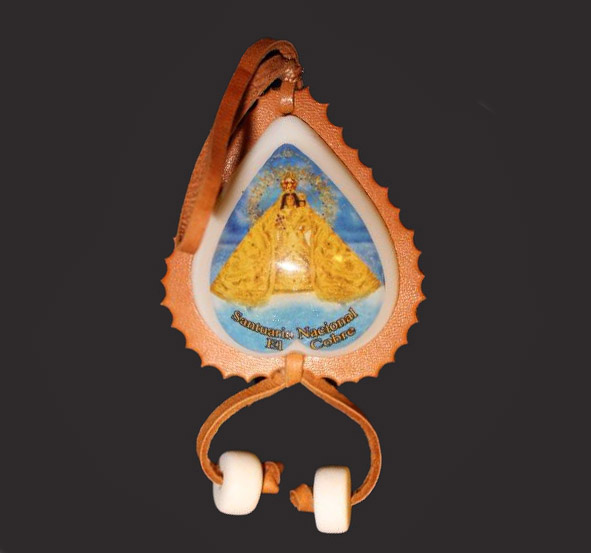
Cuba—Nuestra Señora de la Caridad del Cobre
The small keychain depicts the patron saint of Cuba, the Lady of Charity. In Cuba, there is a major shrine to this saint at the Basilica of El Cobre.
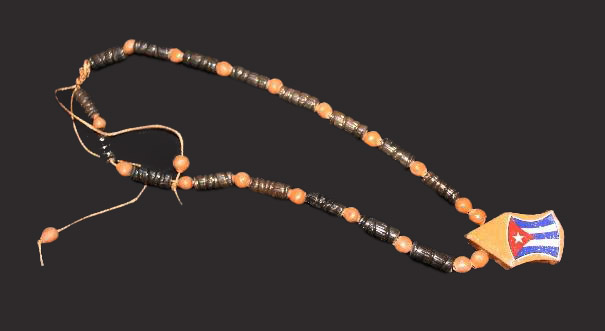
Cuba—Cuban Flag Necklace
This small necklace features a version of the Cuban flag.
Books
- 100 Hispanic-Americans Who Shaped American History by Rick Laezman
- A Kid’s Guide to Latino History by Valerie Petrillo
- Alada by Mariana Llanos (Oklahoma author)
- Clemente! by Willie Perdomo
- The Dreamer by Pam Munoz Ryan
- In the Days of the Vaqueros by Russell Freedman
- Garifuna ABC by Isidra Sabio
- Guatemalan Rainbow by Gianni Vecchiato
- Growing Up Pedro by Matt Tavares
- Herrera Alma and How She Got Her Name by Juana Martinez-Neal
- Islandborn by Junot Diaz
- Lola by Junot Diaz Poesĩa
- Luca’s Bridge by Mariana Llanos (Oklahoma author)
- The Mexicans in Oklahoma by Michael Smith
- The Only Road by Alexandra Diaz
- The Perks of Being a Wallflower by Stephen Chbosky
- Portraits of Hispanic American Heroes by Juan Felipe
- Separate is Never Equal by Duncan Tonatiuh
- Strike! by Larry Dane Brimner
- Under the Mesquite by Guadalupe Garcia McCall
- Vaqueros, Cowboys, and Buckaroos by Lawrence Clayton
DVDs
- Brazilian Capoeira
- Cesar Chavez
- Dolores
- Latin Music USA
- Latino Americans
- Tales of Masked Men
- Walkout
CDs
- Cumbia Cumbia
- The Very Best of Merengue
- Reggaeton Superstars 2
- Salsa Around the World