Migrations and Oklahoma Trunk
This trunk explores the concepts of migration through the history of Oklahoma. Along with the hands-on object, there are several inquiry-based lesson plans and a curriculum guide that includes information on different migrations to Oklahoma, immigration law, outmigration during the Great Depression, and refugees.
Trunk Topics Request a Trunk Checkout Process
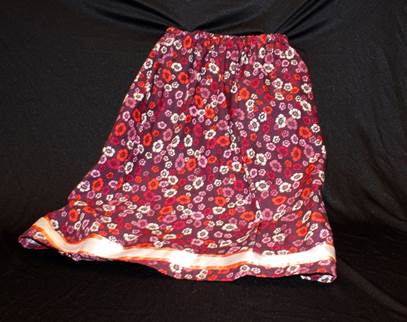
Stomp Skirt
Numerous tribal nations, including the Shawnee, Muscogee (Creek), Cherokee, Yuchi, Caddo, Delaware, Chickasaw, Ottawa, Seneca-Cayuga, Seminole, Peoria, Choctaw, and Ottawa, conduct ceremonial stomp dances throughout the year. The stomp dance is notable because the women participating keep rhythm through percussive rattles made of turtle shells or cans attached to their legs. The significant size of the rattles makes a skirt the best option for dress.
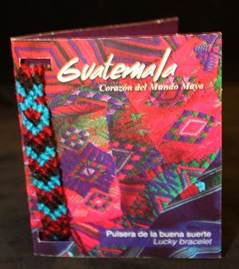
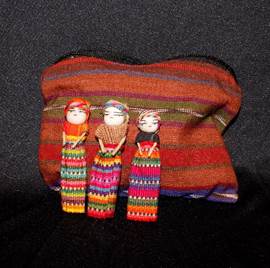
Woven Bracelet and Worry Dolls
These items, donated by the Guatemalan Consulate, represent important elements of traditional Guatemalan culture. Historically, weaving was a critical skill for women, and the distinctive colors and difficult patterns indicate the importance of woven garments.
Based on Mayan tradition, children share their anxieties with the worry doll and then place the doll under their pillows. Overnight, the worry doll provides the necessary guidance for their troubles.
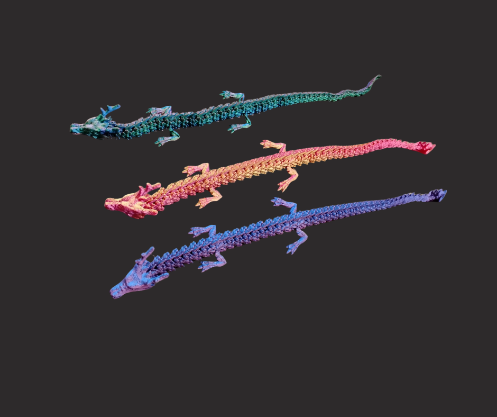
3D Printed Dragons
These decorations might be used to celebrate Lunar New Year (in Vietnam, Tet) along with paper lanterns, red envelopes with cash for children, and kumquat trees. Prior to New Year’s Day, families clean their houses thoroughly and purchase new clothes to wear. The celebrations continue for fifteen days. Families visit one another, honor their ancestors, and share meals featuring traditional foods. Public festivities may include fireworks, dragon dances, and parades.
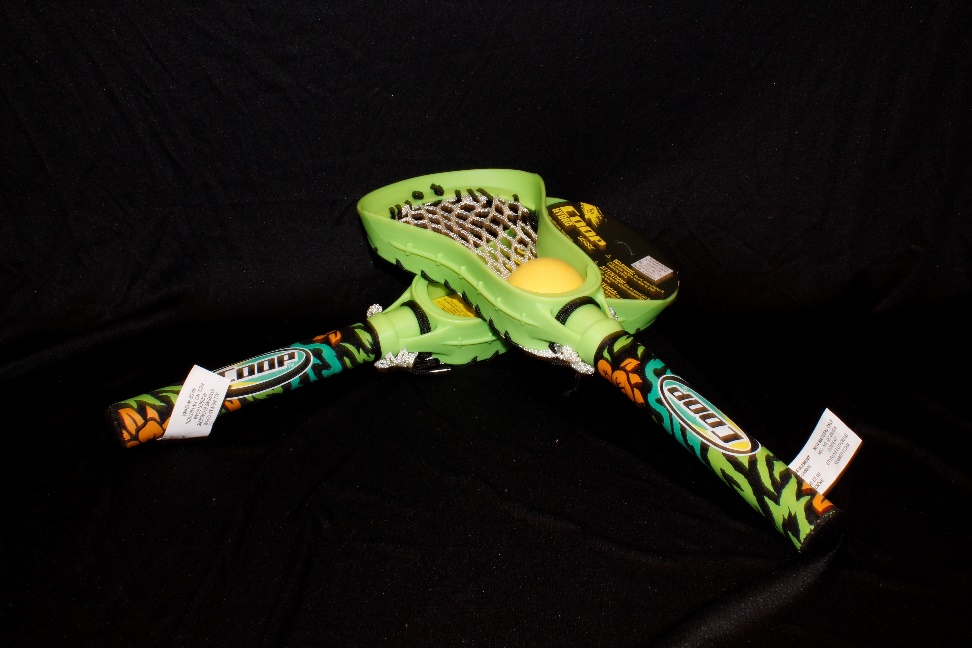
Lacrosse Sticks and Ball
This team sport developed in North America long before European contact. The basic goal is to use the sticks to move a ball across a field and into an opponent’s goal. This sport offered opportunities for groups to socialize, to celebrate a birth, or to settle a dispute with less violence. Lacrosse, or stickball, remains a very popular sport throughout the US and in numerous tribal nations.
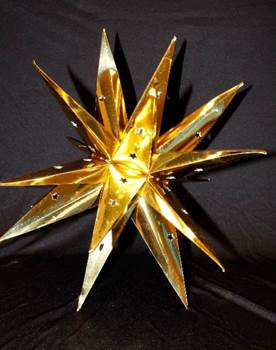
Moravian Star
The star is a popular decoration in German communities to celebrate Advent, Christmas, or Epiphany. In Germany, they are called Herrnhut stars. Interestingly, the stars originated as a project in a geometry class. The Moravians established missions in both the ancestral homeland of the Cherokee in Georgia and in Cherokee territory in what would become Oklahoma.
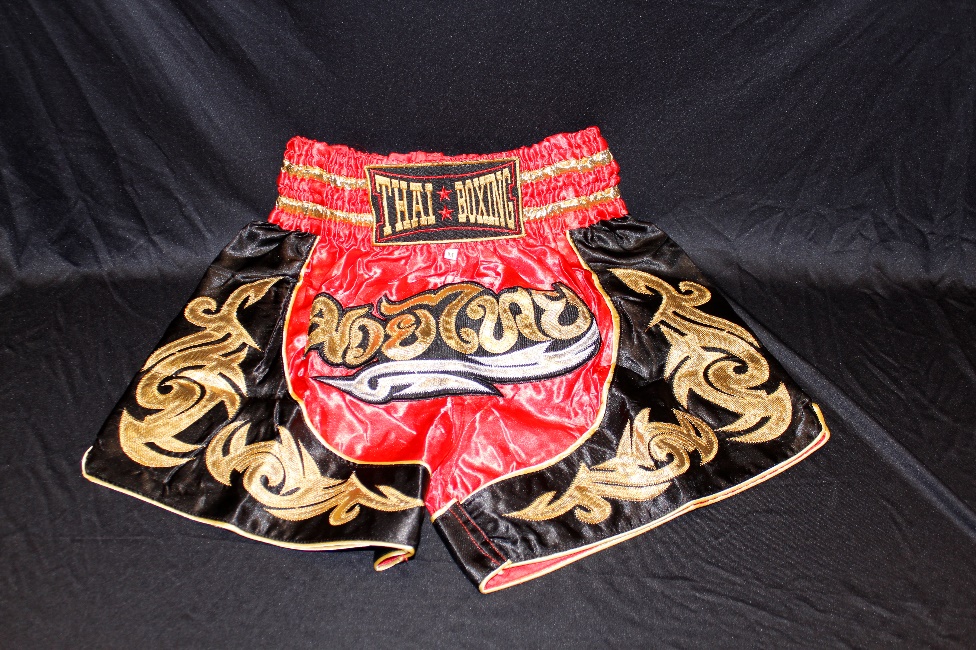
Muay Thai Shorts
This globally popular martial art and combat sport originated in Thailand in the nineteenth century. Muay Thai is known as the “art of eight limbs.” Fighters in this stand-up, striking-focused discipline may use kicks, knees, fists, and elbows against their opponent. In the past, fighters used lengths of rope wrapped around their arms and forearms as a form of protective covering. Today, fighters use boxing gloves. Many mixed martial artists train in Muay Thai because of its proven effectiveness against opponents of any discipline, including Anderson Silva, José Aldo, Valentina Shevchenko, and Joanna Jędrzejczyk.
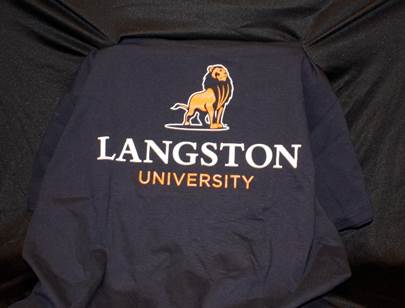
Langston University T-shirt
Founded in 1897 as the Oklahoma Colored Agricultural and Normal University, the school today attracts students from all over the world. Three men, including an attorney and territorial representative, petitioned the Territorial Council to place a college in the All-Black town of Langston. Several important individuals graduated from Langston, including Bessie Coleman, Ada Lois Sipuel Fisher, and Clara Luper. Today, this historically Black college and university (HBCU) has close to 2,000 students on its campuses and offers, among several other programs, study at the internationally renowned Goat Research Center.
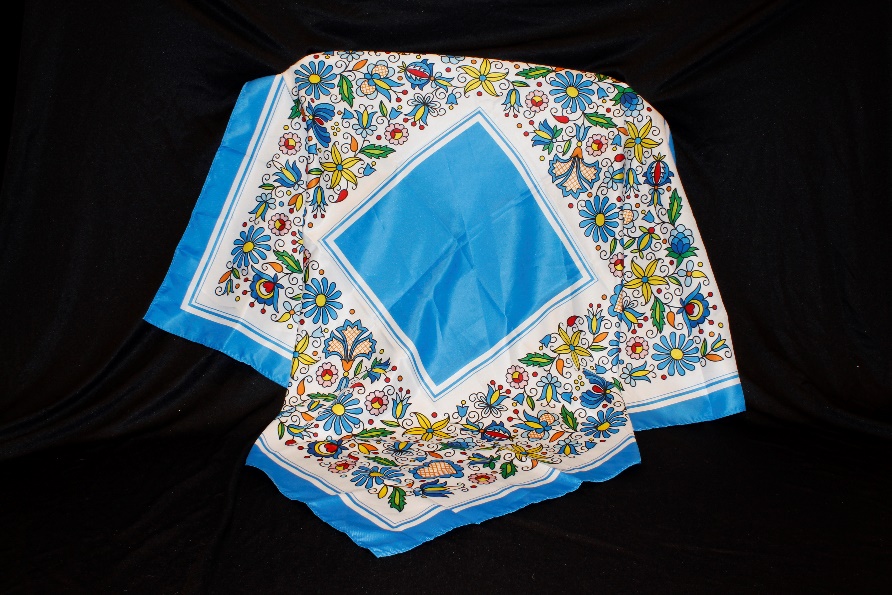
Polish Folk Scarf
This scarf features motifs traditional to the Kaszuby region of northern Poland. The images on the scarf reflect the traditional costume, showing embroidered forget-me-nots, cornflowers, and pansies. It was common for older women to wear a headscarf called a babushka. Covering the hair while working kept it cleaner.
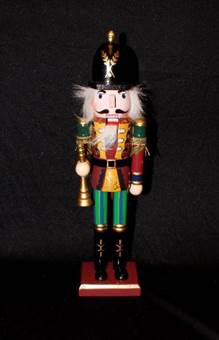
Nutcracker
One of the Grimm brothers, Jacob Grimm, stated that nutcrackers were good luck and warded off evil spirits from the home. Commercial nutcrackers originate in the Ore Mountains region of Germany. The traditional style is a soldier or king. Over time, they became associated with the Christmas holiday. Popular all over the world today, they are now mostly decorative and lack the ability to crack nuts.
Malta India Bottle
Produced in Mayaguez, Puerto Rico, the beverage is very popular on the island and amongst the diaspora lucky enough to find it. It is a soft drink made of malt, and it is more viscous than other soft drinks. If you know what barley and molasses taste like, you will have a good idea of the flavor.

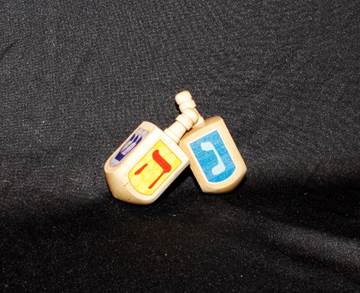
Dreidel
This game is often played during the Jewish holiday of Hanukkah. On each side of the spinning top is a letter of the Hebrew alphabet.
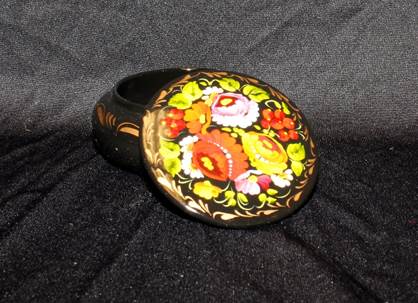
Russian Lacquer Box
This design is similar to the Palekh style of painted box, which is both a village and an art school in Russia. There are four villages well known for miniature painting. Traditional miniature painting is done with tempera on a papier-mâché box . Although based on icon painting, which has a centuries-long tradition in Russia, boxes such as these date primarily from the Soviet period (1917–91).
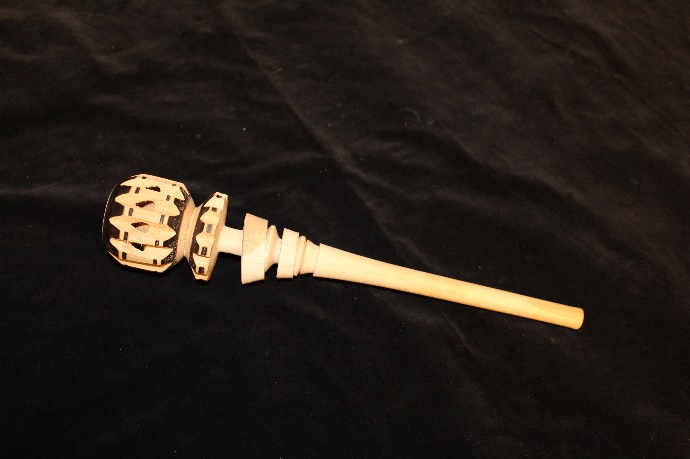
Molinillo
This traditional wooden whisk is an important tool in a Mexican household, dating back to the Aztec empire. The whisk is most well-known as necessary for a proper cup of hot chocolate.
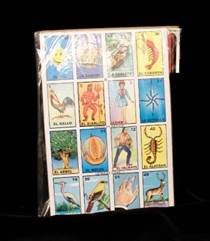
Lotería Cards
This game is very similar to bingo, except it typically uses a deck of cards to select the pieces. This is a very popular game in both Mexico and the United States.
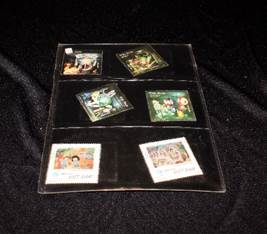
Stamps
These stamps show scenes of daily life in Vietnam. Oklahoma is home to over 20,000 people with Vietnamese heritage.
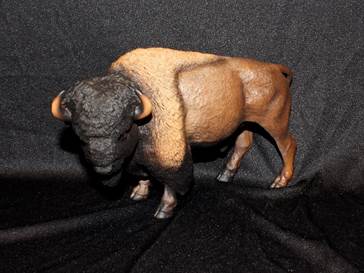
Bison
Bison were central to the economy and culture of Plains tribes. Before European contact, an estimated 30 to 60 million bison lived on the plains of North America. The Plains tribes centered much of their hunting activities on the bison. They used every part of the bison to make tools, decorations, weapons, shelter, and clothing.
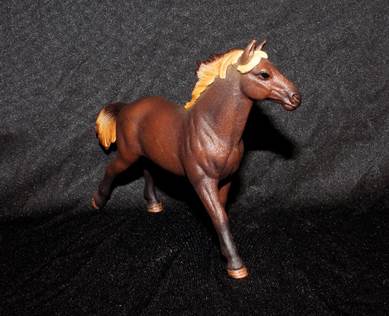
Horse
While the Plains tribes had centered their lives around bison hunts for centuries prior to European contact, the introduction of the horse to their communities radically and rapidly transformed their way of life. For many tribes, adopting the horse led them to develop a fully nomadic lifestyle. For others, such as the Comanche, the breeding and selling of horses increased their material wealth and regional prestige. Finally, many Plains tribes devised military tactics utilizing the horse so successfully that many historians believe they were the most effective light cavalry forces in the world.
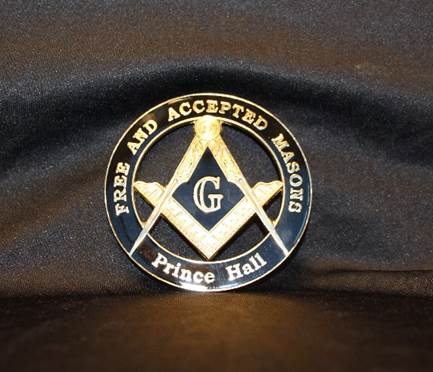
Prince Hall Mason Medallion
The Prince Hall Masons are a fraternal organization founded by African Americans in 1784. These groups provided social activities for their members, allowed them to pool their resources for community projects, and established a leadership network. The potential for land ownership attracted many African Americans to join those already here after Indian Territory was opened through the allotment process. Black migrants who settled in Oklahoma rapidly established chapters. The vibrant Mason Grand Lodge in Boley, Oklahoma, was, for many years, the tallest building in the state between Tulsa and Oklahoma City.
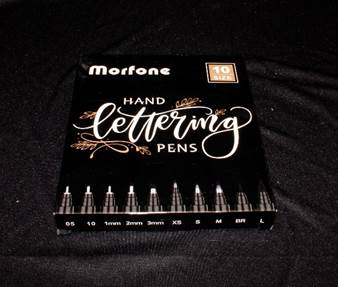
Calligraphy Set
For groups in Southwest Asia that converted to Islam, the use of images is considered idolatrous. In these communities, artistic expression is less representational and focuses on intricate shapes and beautiful hand-lettering called calligraphy. Just as there are schools of art in other styles, there are also specific kinds of approaches to calligraphy. Because of the long tradition of calligraphy in Southwest Asian cultures, when immigrants from this area settled in Oklahoma in the twentieth century, calligraphy followed.
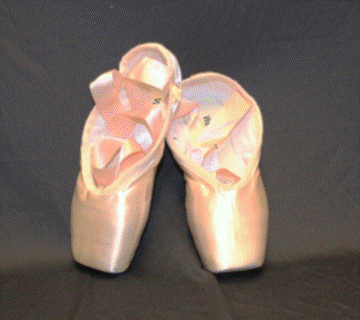
Pointe Shoes
The Five Moons are five famous and talented ballerinas and members of tribes in Oklahoma. In addition to the important work they did as ballerinas, later in their careers, they all contributed to building ballet artistically and expanding its popularity. Yvonne Chouteau (Shawnee), Rosella Hightower (Choctaw), Moscelyne Larkin (Eastern Shawnee, Peoria), Maria Tallchief (Osage), and Marjorie Tallchief (Osage) are the Five Moons. Because of their work and achievement, Oklahoma holds an important place in the history of ballet.
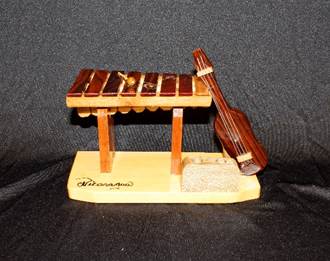
Marimba
Considered the national instrument of Guatemala, the Marimba is popular in Honduras, Nicaragua, and El Salvador as well. It is a percussion instrument that has an appearance similar to a xylophone, although they have distinctly different sounds. It is made of wood, and the bars are struck with a yarn-wrapped mallet.
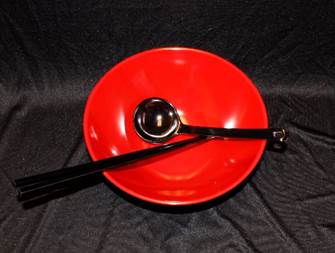
Pho Bowl
Pho is a soup from Vietnam that includes noodles, spices, vegetables, and sometimes meat in a rich, highly-reduced broth. Pho enthusiasts enjoy trying new garnishes on their favorite bowl. Oklahoma City’s Asian District has gained recognition for Vietnamese cuisine, including pho.
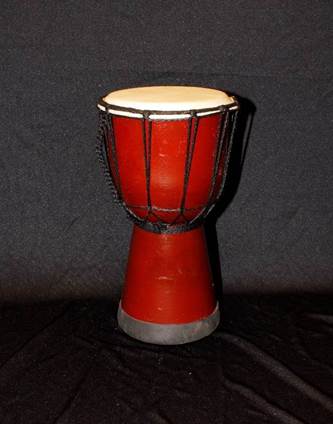
Djembe
This drum originated in West Africa centuries ago and was recreated by enslaved Africans forced to work on this continent. The drum remained an important musical instrument within African communities and spread to other immigrant and indigenous groups. Drums of this style would be found in the homes of the original Freedmen of the Five Tribes, African American communities throughout the state, and among more recent immigrants from Nigeria, Ghana, Sudan, and Kenya.
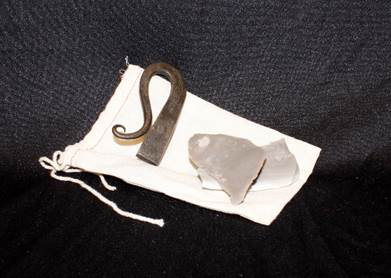
Flint and Steel
Fur traders seeking trade with Native nations, such as the Osage or Wichita, or trying to collect hides and pelts on their own, would need a way to get a fire started as they traveled throughout the land that would become Oklahoma.
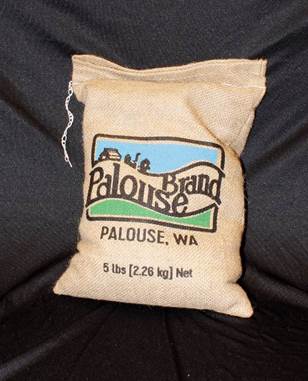
Red Winter Wheat
Originally from Germany, most Germans from Russia left the kingdoms that would become Germany because of war, taxes, and religious discrimination. They moved to Russia, where the Tsar promised a hands-off policy to encourage settlement. They acclimated to living on the steppes of Russia, an environment similar to the Great Plains. In the 1860s, a new Tsar retracted the hands-off policy, and the Germans living there began moving again, this time to the Great Plains. Some settled in missions on Indian reservations; for example, the Mennonites sent missionaries to the Comanche in the 1880s. The Germans from Russia brought with them a hardy wheat variety called Turkey red wheat, which became a dominant strain of wheat grown throughout Oklahoma.
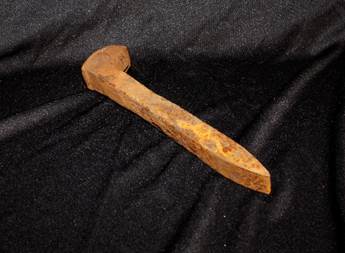
Railroad Spike
The construction and maintenance of the railroads in Oklahoma included both Chinese and Mexican workers. As railroad companies began constructing railroads across Indian Territory in the 1870s, Chinese workers frequently did the work. Later, after the passage of the Chinese Exclusion Act in 1881 stopped the immigration of those workers, Mexican workers took these dangerous, seasonal positions that paid significantly more than they could make at home.
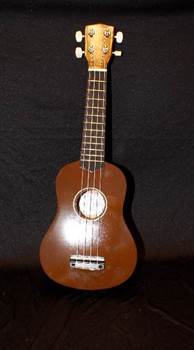
Ukulele
The relatively large population of Marshall Islanders/Micronesians in northeast Oklahoma frequently enjoys performing on the ukulele, a favorite instrument, or choral singing.
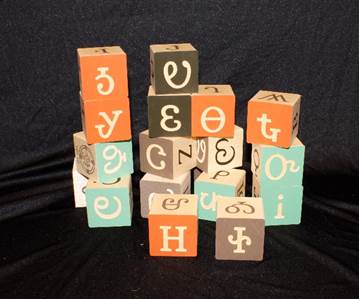
Syllabary Blocks
Created by Sequoyah in the 1820s, the Cherokee syllabary enabled the Cherokee to rapidly adopt a written form of their language. This assisted the Cherokee in maintaining their tribal connections as they had population centers in Georgia, Alabama, North Carolina, and, after the Trail of Tears, Arkansas and Indian Territory. The written form of Cherokee also allowed for media to develop: one of its most important uses was the newspaper, the Cherokee Phoenix, which began in 1828. The Cherokee language continues today.
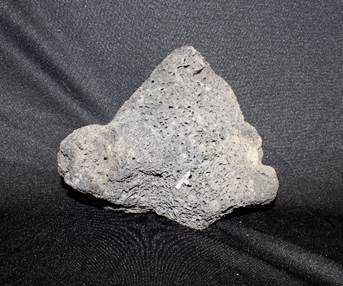
Lava Rock
This rock represents the site at Tule Lake in California, where fewer than 50 Modoc warriors held off over 600 US soldiers for over five months in 1873. The Modoc were intimately familiar with the lava beds of the area and used them to their military advantage. The 1872–1873 Modoc War led to the forced removal of the Modoc who surrendered from their ancestral homes in California to Oklahoma.
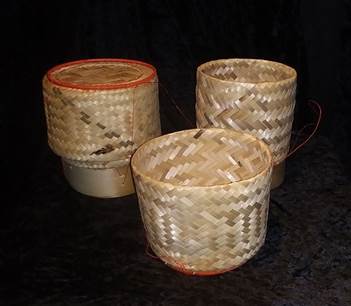
Rice Bowls
Thai/Laotian/Cambodian/Vietnamese families use this bowl to hold sticky rice after it is prepared in a traditional steamer. The lid keeps the rice fresh and hot. The bowl is passed around during meals for individuals to help themselves.
Books
- Where Will I Live?
- The Arabic Quilt: An Immigrant Story
- A Journey Toward Hope
- A Different Pond
- La Frontera: El Viaje Con Papa
- Grandfather’s Journey
- When Stars Are Scattered
- Front Desk
- Refugee
- It Ain’t So Awful, Falafel
- The Arrival
- Cloud Mile: A Remarkable Journey of Mercy, Peace, and Purpose
- Where the Rainbow Ends (10)
CDs
- Somos Boricuas
- Cumbia