OkieTales Archaeology Trunk
This trunk is a smaller version of the archaeology trunk with materials appropriate for younger students.
Trunk Topics Request a Trunk Checkout Process
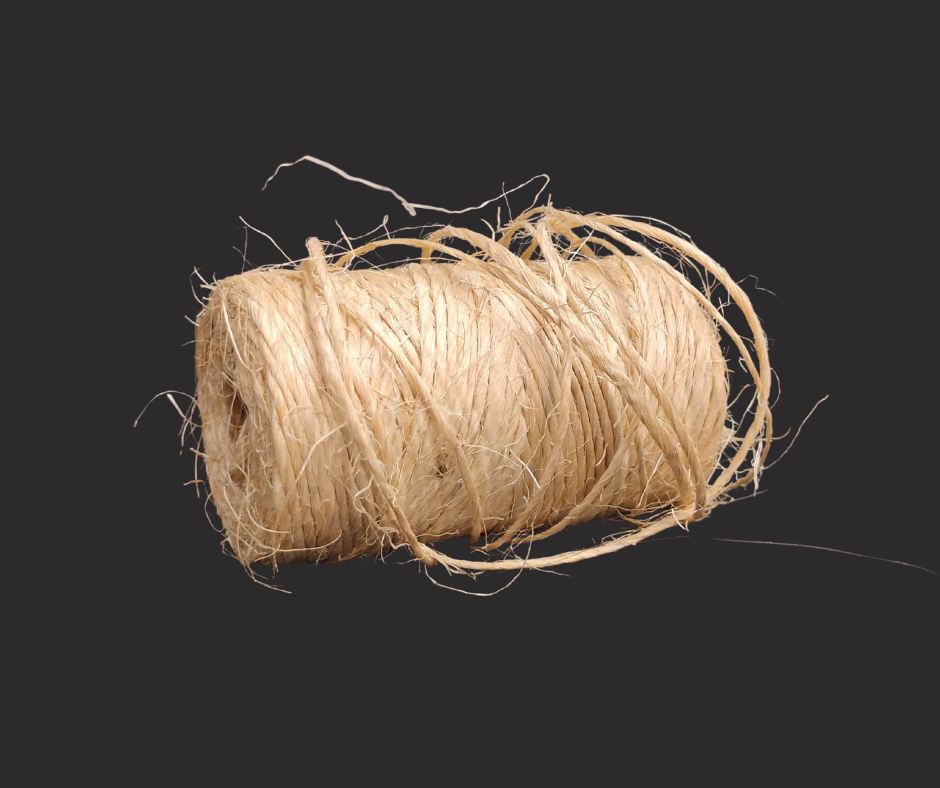
Twine
This relatively inexpensive rope allows for better data collection from archaeological digs. Archaeologists can construct a grid over the dig site, which allows them to give spatial descriptions of where artifacts were found.
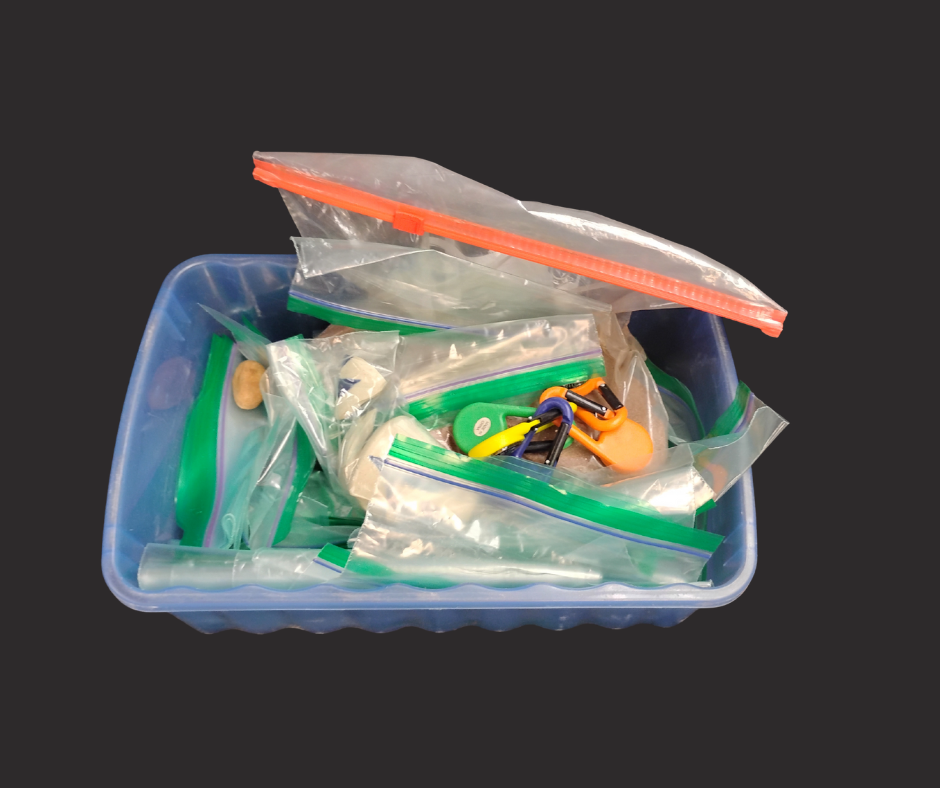
Example “Artifacts”
These materials represent what archaeologists might uncover during digs.
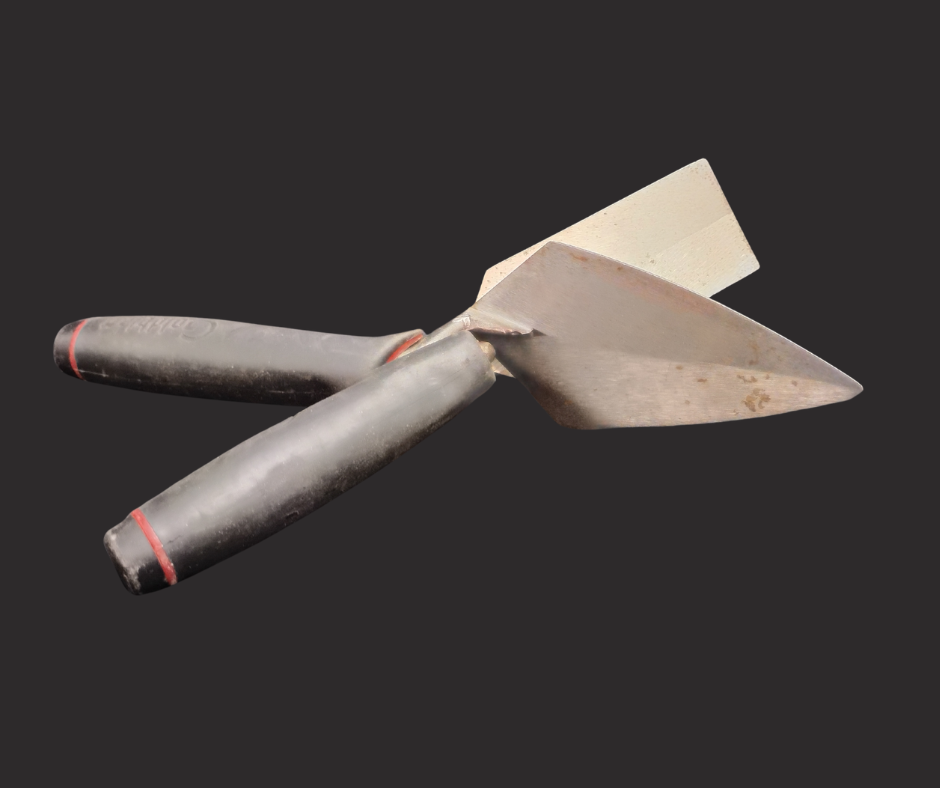
Trowels
Hand-held tools like these trowels allow the archaeologist to very carefully remove materials from a potential artifact.
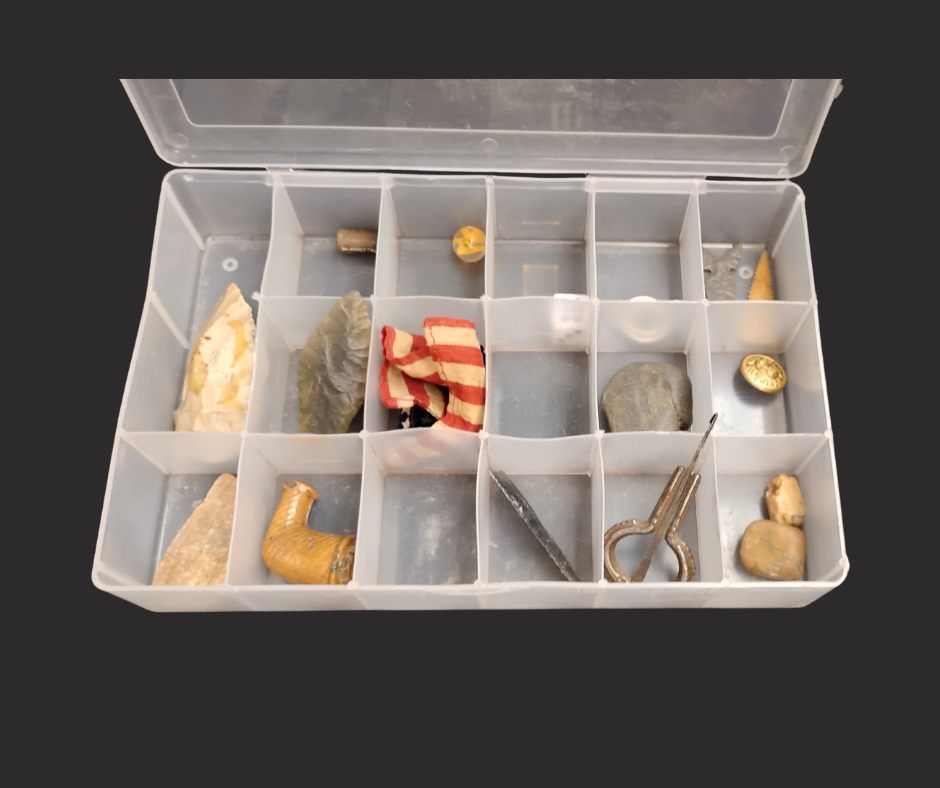
Artifacts
Examples of items that might be found at archaeological excavation sites include stone tools, fossils, and a button.
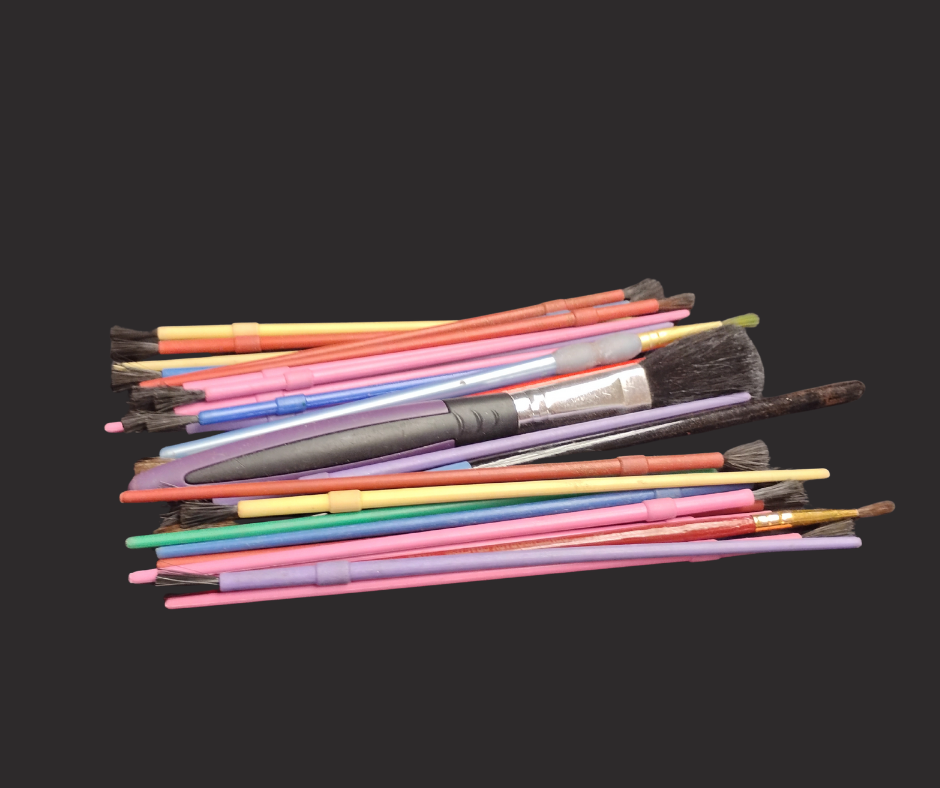
Brushes
Brushes allow careful removal of material, reducing the potential for damage to the artifacts.
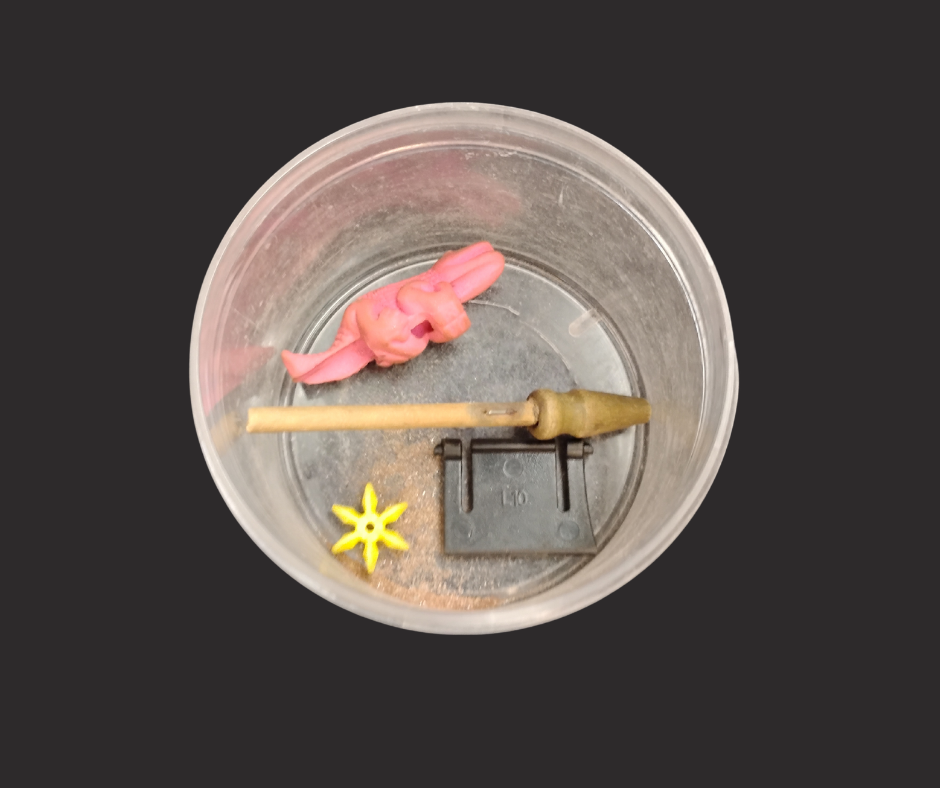
Metal Buckets
Metal buckets have many uses at an archaeological site. They can remove dirt from the site or dig area, transport soil to the sifter, hold artifacts as they are found, and be used to hold or transport tools. If large enough, they be turned upside down and used as a seat during lunch breaks.
Wooden Tongue Depressors
Archaeologists use wooden tongue depressors to excavate and clean fragile artifacts. They are inexpensive, gentle on artifacts, good to use in small, confined areas, and disposable, making them a useful tool.

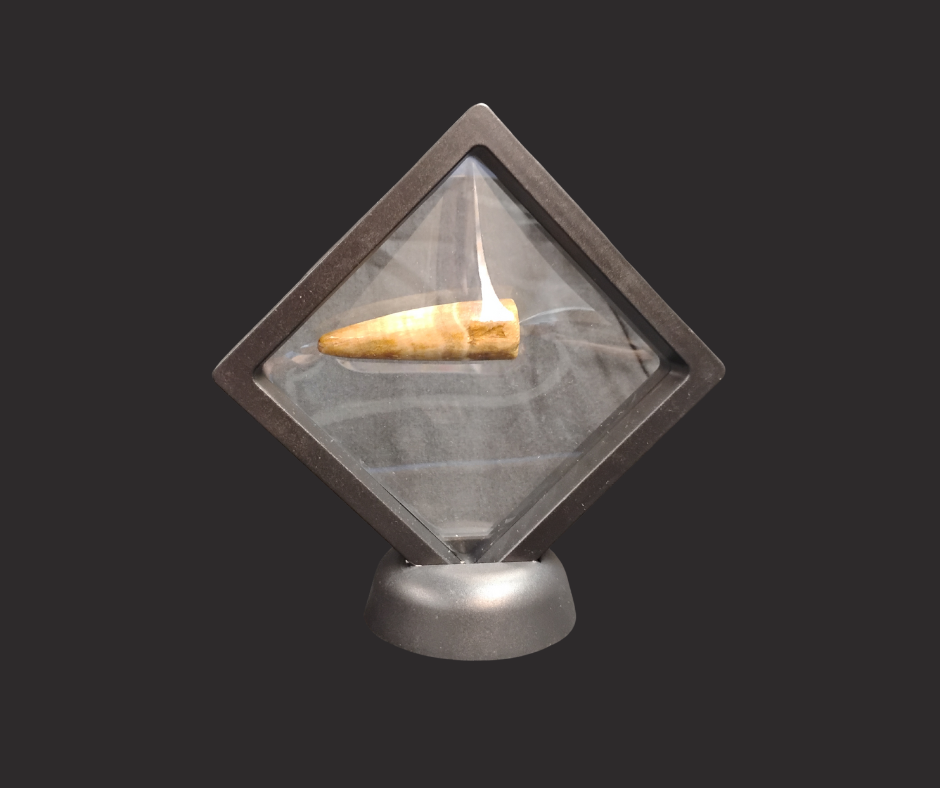
Chaco Canyon Carved Rock Specimen
This carved rock artifact came from the Chaco Canyon in New Mexico. From 800 to 1200 AD the region was home to the Chacoan people, who were the early ancestors of more modern southwestern tribal nations including the Ute, Hopi, Apache, Ohkay Owingeh, and multiple Pueblo tribal nations.
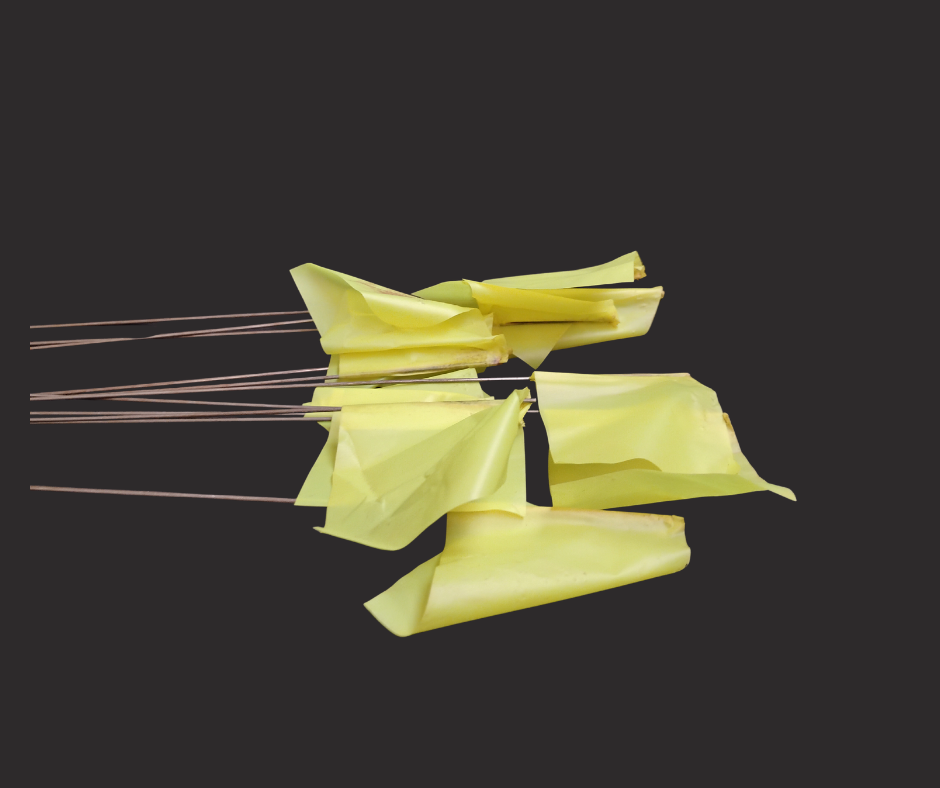
Flags
Flags can help with safety at an archaeological site. They are used to mark holes or other obstacles so the no one falls or gets injured.