OkieTales Cowhand Trunk
This trunk is a smaller version of the Cowhands trunk with materials appropriate for younger students.
Trunk Topics Request a Trunk Checkout Process
Shirts
A cowhand, or drover, always carried an extra shirt because the cattle kicked up a lot of dust, and a clean shirt was needed in case they were sent to a town for extra supplies. Sometimes cowboys would cross a river while herding cattle, and needed a clean, dry shirt to change into. For superstitious reasons, many avoided wearing red shirts.

Ladies’ Cape
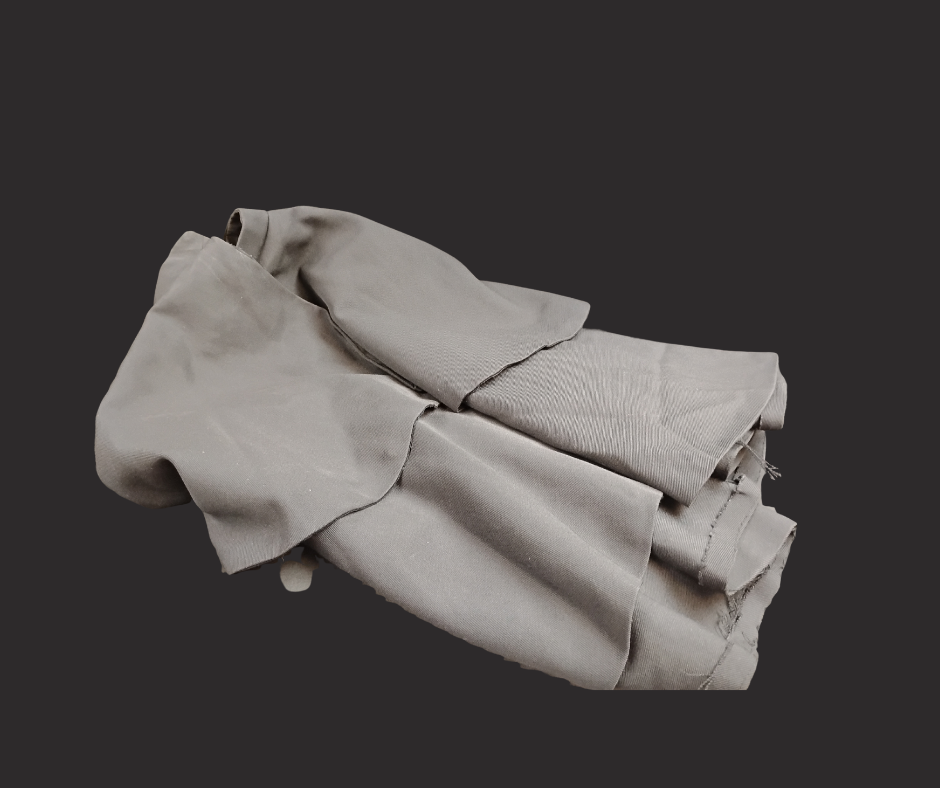
Drovers, in all likelihood, would not have had women on the trails with them. They might, however, interact with women on nearby farms, at trading posts, or in the towns that marked their destination. If there were a chill in the air, ladies in these places might don a cape to look fashionable and stay warm.
Bandana
Bandanas came in either silk or cotton, and silk was preferred. Silk was cool in the summer and warm in the winter, and was perfect to strain water from a creek or river stirred up by cattle. Cowboys favored bandanas that were colorful, as well as practical. With all the dust from the cattle, especially if you rode in the rear of the herd, a bandana was a necessity.

Long Underwear
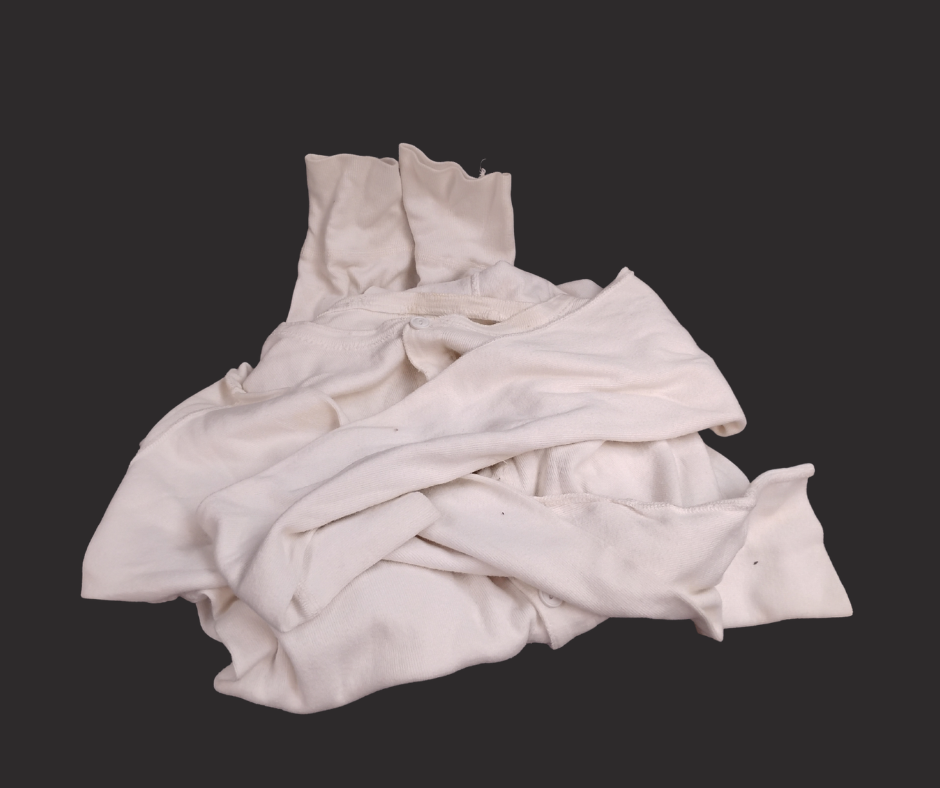
Long underwear, or long handles, were worn summer and winter and often kept on while crossing a deep river, affording the drover some measure of modesty. Both white and red “union suits” were found in the West.
Vests
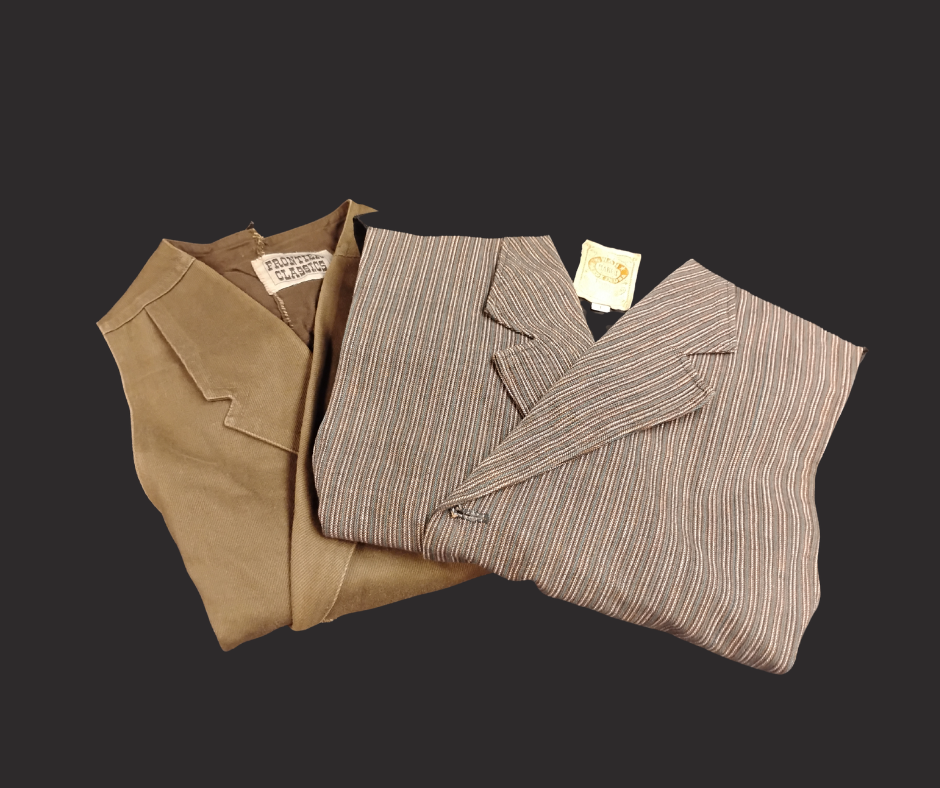
Vests were not for fashion, although they could be very fashionable! Vests had a very important function—pockets! Pants during this period did not have pockets, and it was important to carry a number of items close to the body, such as a bandana or a chaw of tobacco. The multiple pockets in the vest allowed wearer to keep their personal items well organized.
Holster
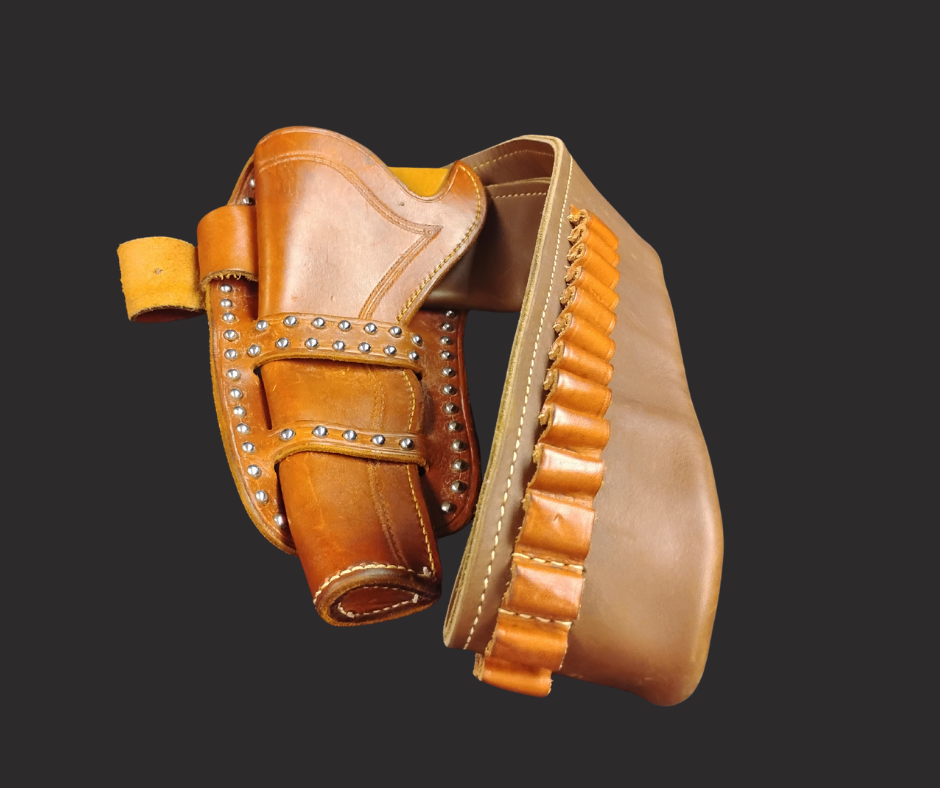
A leather holster holds a cowboy’s gun and extra ammunition. The holster was then fastened around the cowboy’s waist, side, or to his saddle, keeping his gun close at hand.
Cuffs
Cuffs protected the cowboy’s wrist from rope burns and his shirt from becoming frayed on the ends. Many cuffs were highly decorated to reflect the individual’s personal taste.

Quirt
A quirt is a type of stock whip with two pieces of leather, called falls, at the end. The handle of the quirt is often made from braided rawhide or leather. It is not used as a riding aid on horses, but as an effective tool to motivate cattle from horseback. Some quirts came attached to the cowhand’s reins so the quirt would not be dropped or lost.

Spurs/Straps
Cowboys used spurs to enforce commands to the cowhand’s horse. Depending on the cowhand’s finances, spurs were plain, or they might be inlaid with silver or gold and cut into fancy forms such as “snake-heads” and “gal legs.” Later spurs included a piece of metal that clinked against the spur called jingle-bobs. Spur straps could be plain leather or have designs impressed into them.

Chaps
A pair of “shotgun” chaps protected the cowboys from “horns and thorns” on the trail. Shotgun chaps were the earliest type used by cowboys to protect their legs. This particular style wrapped completely around the leg and fit snugly all the way down. Many of these types of chaps had pockets, and most had decoration of some kind or fringe along the sides.