OkieTales Pioneer Life Trunk
This trunk includes tools, personal items, photographs, and other materials for hands-on learning. This is a smaller version of the Pioneer Life trunk, with materials suitable for younger students.
Trunk Topics Request a Trunk Checkout Process
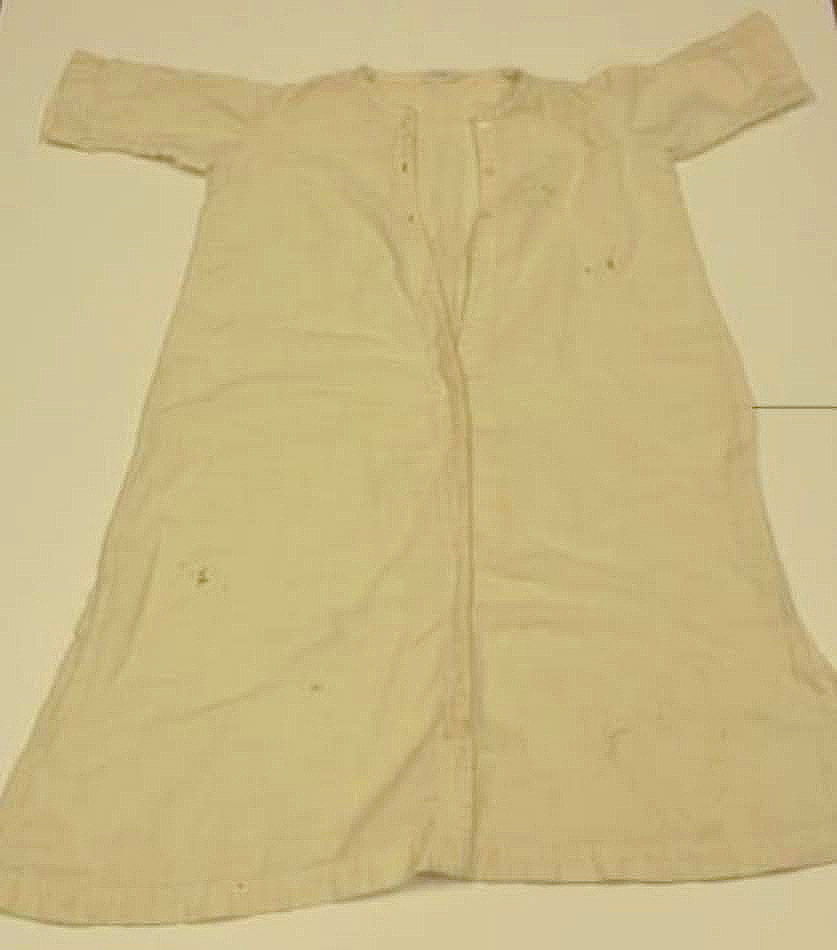
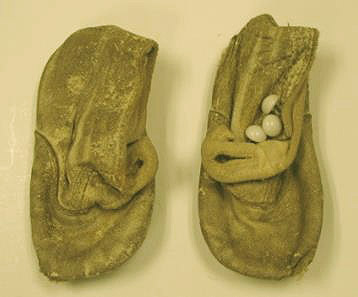
Baby Gown and Shoes
This soft cotton-wool gown would keep a baby comfortable, and the leather shoes would protect his or her feet. Pioneers often made their own clothes, and they had to wear them until they were completely worn out. The gown and the shoes would be “hand-me-downs.” That means that after one child grew out of the clothing, the parents would save it for the next baby to wear. Pioneer families often had many children, so hand-me-down clothing had to last for many years.
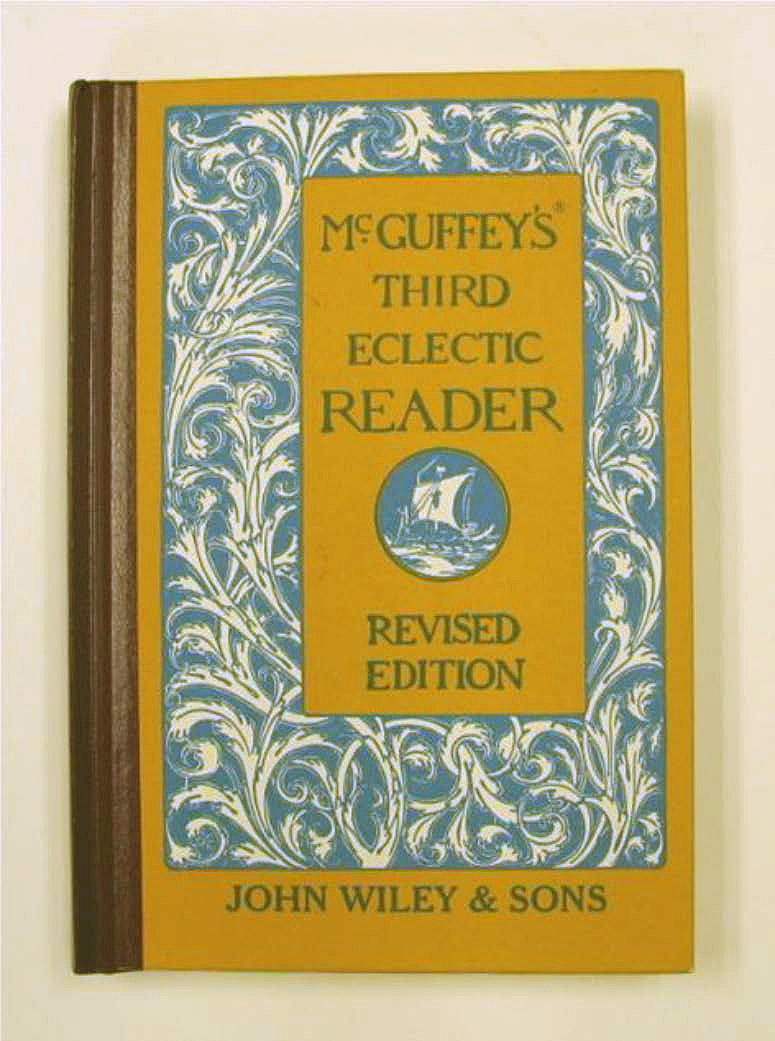
Book
Many pioneer children went to school or studied at home with the help of their parents, an older sibling, or a neighbor. McGuffey’s readers were a popular series of educational books used in schools and homes throughout the United States in the 1800s and 1900s. This book is McGuffey’s Third Eclectic Reader. “Third” means that this is a third-level book, and “eclectic” means that it has a variety of content. It includes poems, short stories, and basic science lessons.
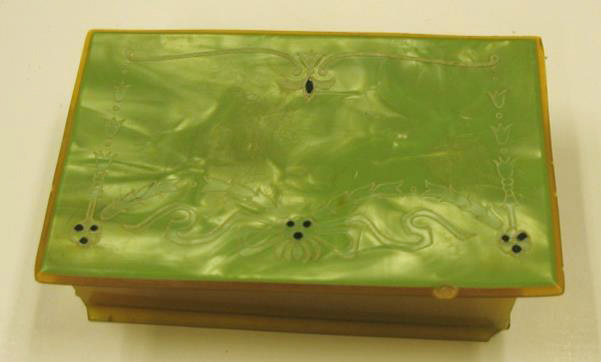
Box
Pioneers had few luxuries, so this celluloid box would have been a treasured item. It may have been a place for storing a comb, a hairbrush, jewelry, photographs, or other important keepsakes.
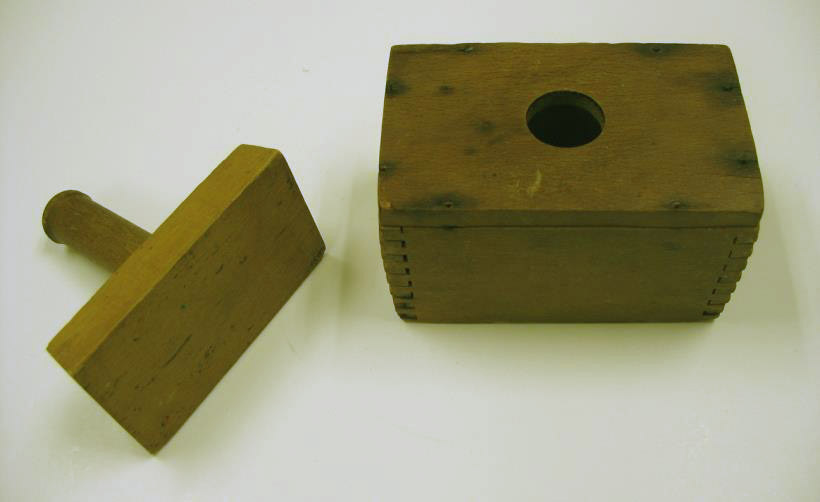
Butter Mold
Many pioneers had their own cows and used the milk to make butter. They did not buy their butter from a store because the store was usually very far away. First, they would churn the cream in a butter churn to separate the butter from the buttermilk. Then they would press the butter into this mold with a spatula. Finally, they would push the block of butter out of the mold.
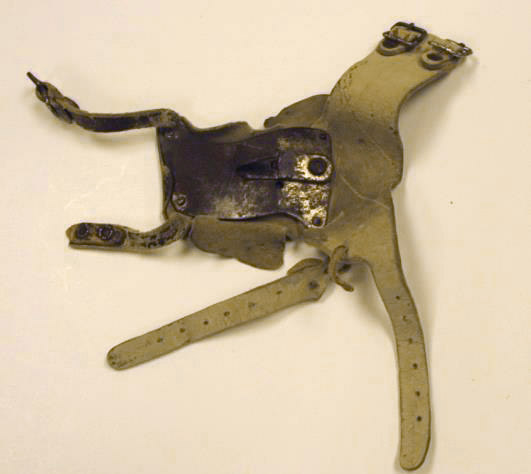
Corn-Shucking Glove
Corn was a very important crop for pioneers. They used it for hominy, grits, and cornmeal, and they fed it to their livestock as well. This corn-shucking glove made it easy to remove the corn from the cob. A pioneer would wear this on their hand and use the hook to remove corn from the cob.
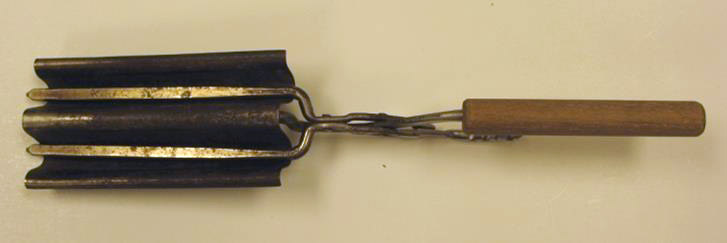
Crimping Iron
Pioneers did not have electricity, so if a woman wanted wavy hair, she would place a curling or crimping iron like this one on a stove, let it heat up, and then use it to crimp waves into her hair.
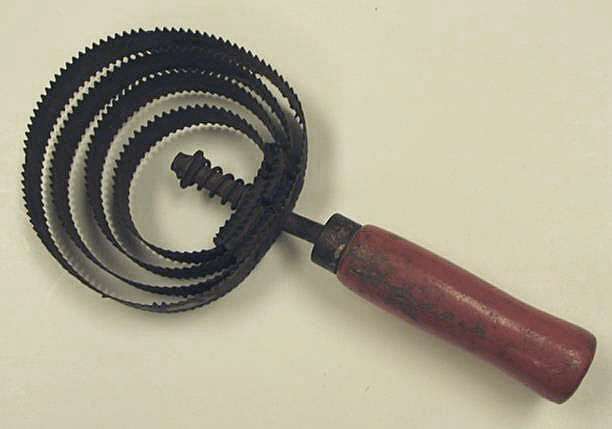
Curry Brush
Pioneers used these brushes to groom the coat of a horse or another large animal. This would clean the coat, remove pests, and help the animal feel better. Pioneers took good care of their animals because they depended on their livestock for survival.
Cuticle Pusher
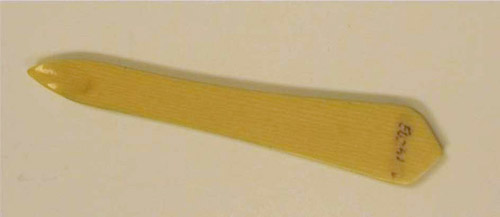
Pioneer women lived a rugged life, yet many still valued their appearance. They used cuticle pushers to keep their nails looking neat and clean.
Drill
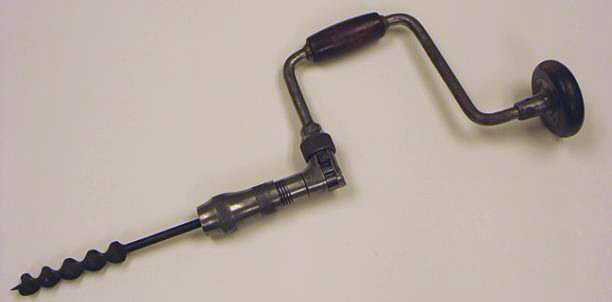
Pioneers had to construct and repair their own furniture, houses, and barns. This simple hand drill would have been an important tool to have on a homestead.
Fork and Knife
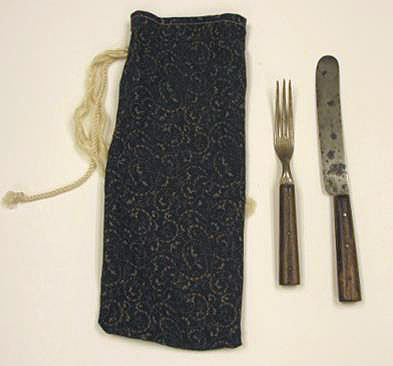
A pioneer would have used this fork and knife set to eat while traveling to Oklahoma for a land opening and while homesteading on their claim. The simple drawstring bag protects the set when it is not in use. Eating utensils did not need to be fancy or plentiful. Like many of the things owned by pioneers, this set is very practical.
Hobble
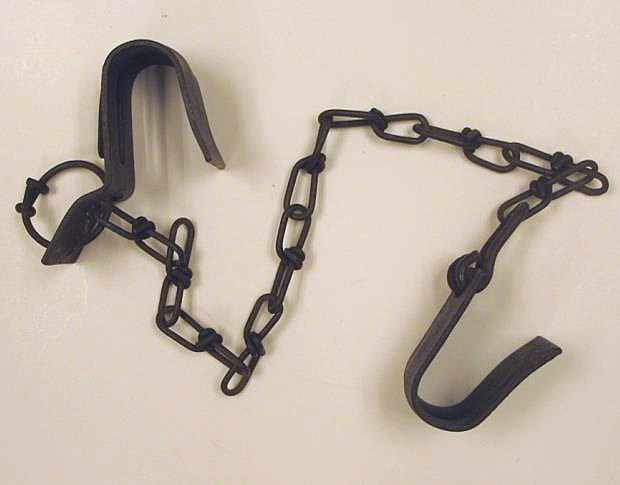
Pioneers used hobbles to keep their livestock from wandering off. Some homesteads did not have fences, so hobbles were necessary. They would secure each end to one of the animal’s legs, and the short length of the chain kept the animal from moving its legs to walk.
Hog Scraper
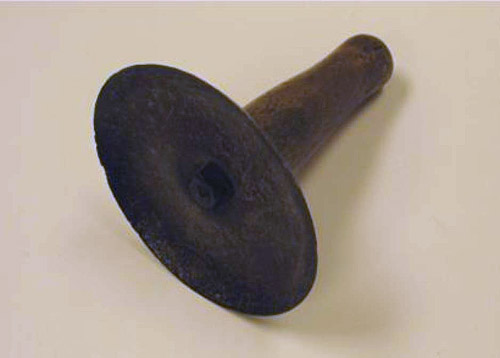
Pioneers used metal hog scrapers to scrape the hair from the hog’s hide. Pioneers raised hogs mainly for the meat, which includes ham, bacon, and sausage. They also used the hogs’ fat in cooking and for making soap and candles.
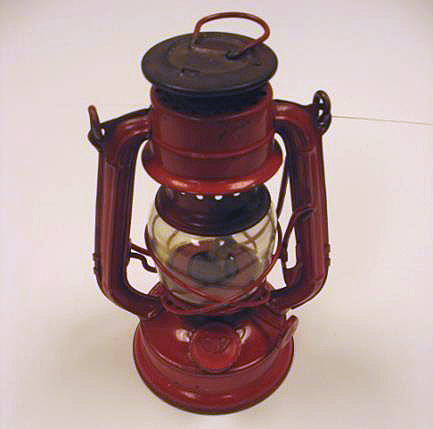
Lantern
Pioneers did not have electricity or light bulbs. They used candles or lanterns for light. Lanterns typically used a fuel called kerosene, which made the wick inside the lantern burn and give off light. The glass protected the flame. A pioneer could hang this lantern inside his or her home or barn or carry it outside if necessary.
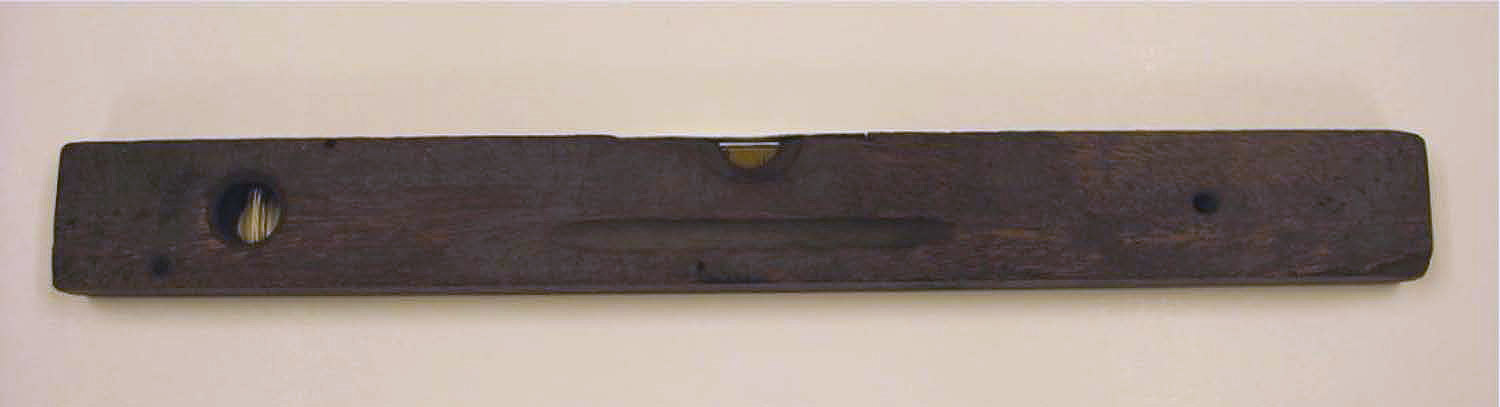
Level
When pioneers settled on their claims after a land run, they had to build houses, sheds, and barns. This level has glass tubes that contain liquid and a bubble of air. If a person places the level against a wall or a support beam, the bubble will shift to the middle of the tube to show that the wall or beam is straight. This level has two tubes: one for horizontal surfaces and one for vertical surfaces.
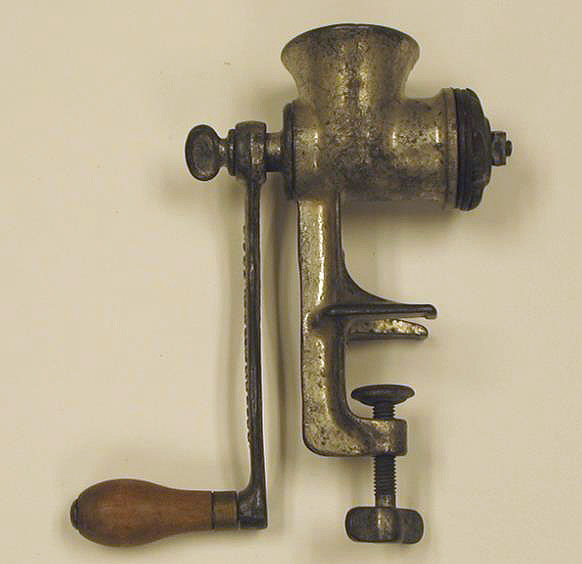
Meat Grinder
Today, most people buy their meat from the grocery store or from a local butcher shop. When pioneers settled in Oklahoma Territory, they had to raise their own cattle and hogs for food. That includes slaughtering and processing the animals. They used grinders to grind up meat for sausage and ground beef.
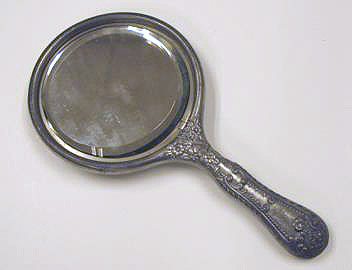
Mirror
Pioneers were not fancy people, but good grooming was very important, especially if you were expecting company, going to town, or attending church. This handheld metal mirror would have been a treasured luxury item for most pioneers.
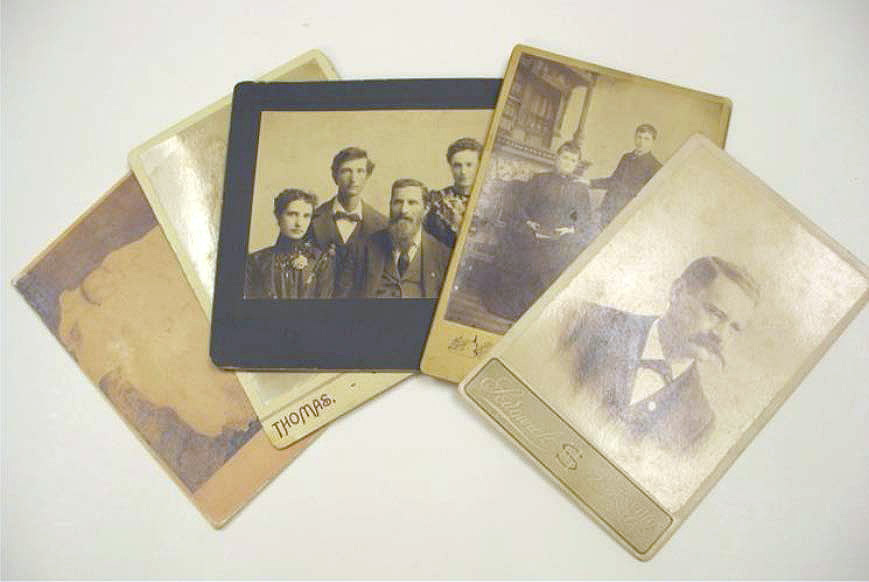
Photographs
Today we have cameras everywhere, and we can take as many pictures as we like. Pioneers very rarely had access to cameras, so sitting for a portrait was a very significant event. Some pioneers even included their homes, livestock, or prized possessions in their family portraits to show what they had earned through hard work.
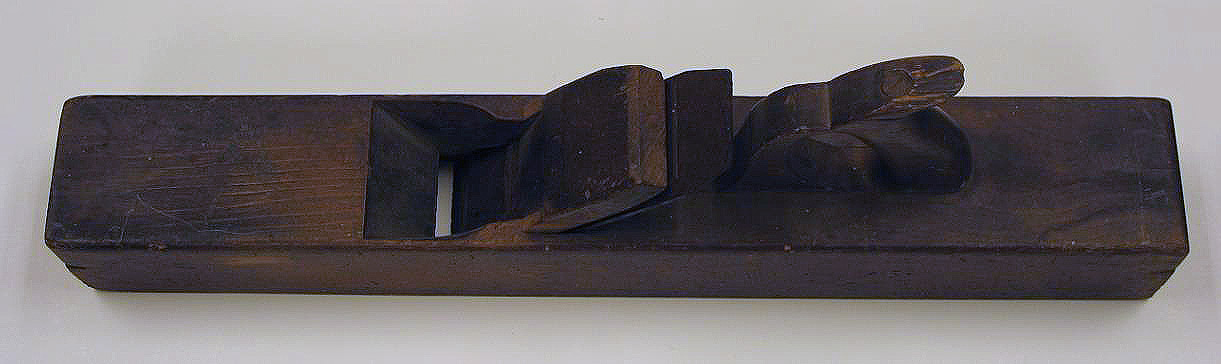
Plane
Pioneers had to build their own furniture, houses, sheds, and barns. They would shave wood with planes to smooth and straighten its surface.
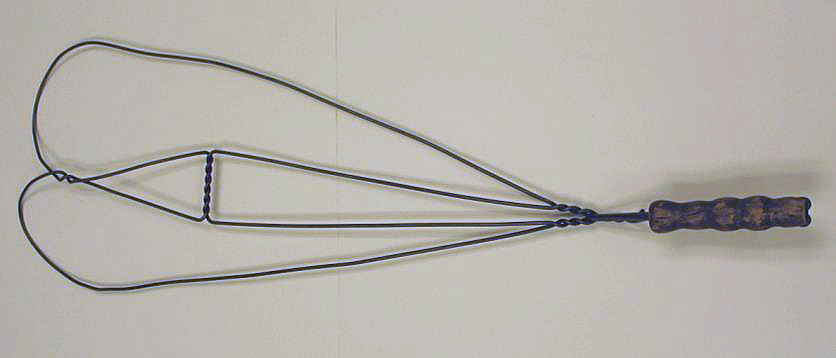
Rug Beater
Pioneer women cleaned their rugs by hanging them on a clothesline or a fence and beating them with rug beaters to shake out the dirt.
Saw
Pioneers had to build their own furniture, houses, and barns, and they used saws to cut the lumber. If there were trees on their claim, they used saws to cut them down to clear the land and to obtain lumber and firewood.
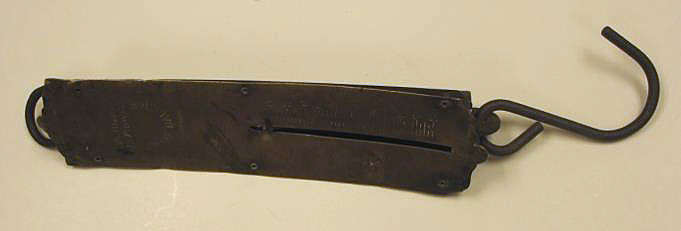
Scale
This scale uses a spring and a hook to determine weight. As the weight of an item pulls the hook downward, an indicator shows how much the item weighs. Pioneers would have used this scale to weigh sacks of grain, cotton, or produce.
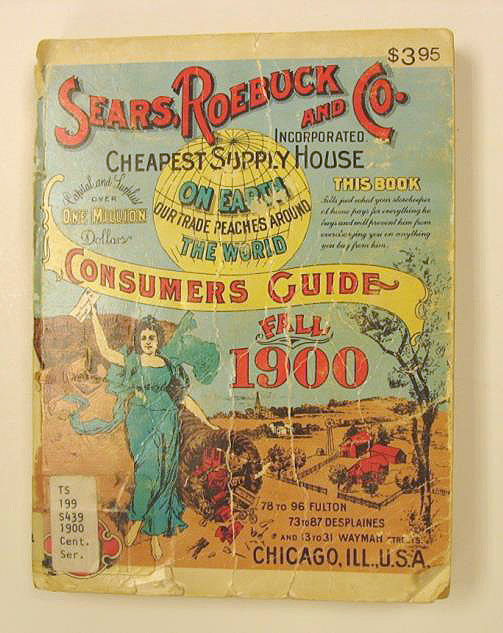
Sears, Roebuck and Co. Catalog
Pioneers lived far from cities, so they could not easily buy the things they needed. If they needed something that could not be made at home or purchased from the local general store, they would order it by mail, likely from the Sears, Roebuck and Co. catalog. A pioneer could fill out an order form, mail it to Sears along with payment, and receive his or her goods after a certain period of time. For more information about Sears, Roebuck and Co. catalogs and a related classroom activity, see page 51.
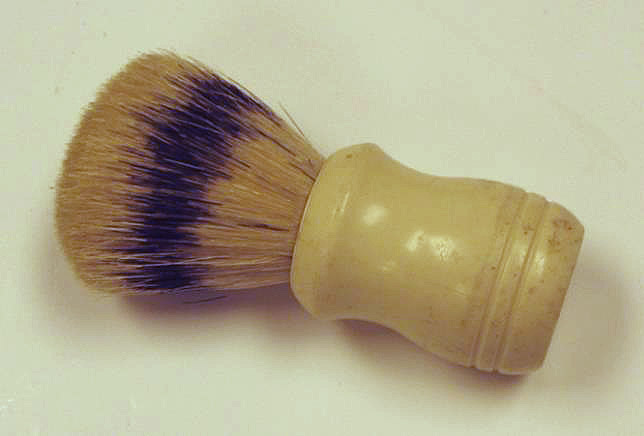
Shaving Brush
Men would use shaving brushes to rub lather on their faces for shaving. The lather came from soap, which was almost always homemade. Pioneers made soap from lye and lard, or pig fat. The soap was simple but effective.
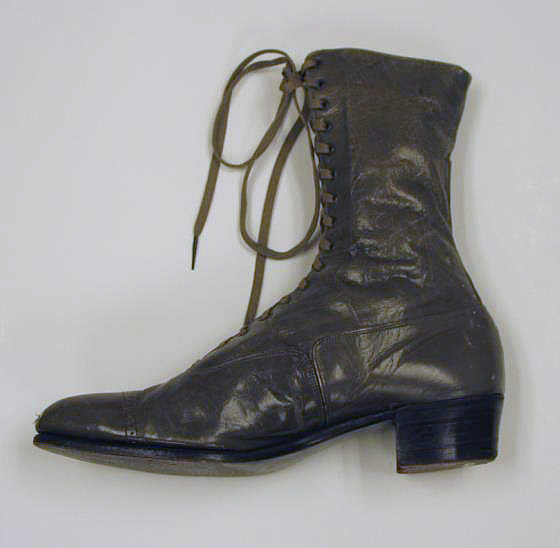
Shoes and Shoe Hook
During the 1800s and early 1900s, women wore tall, lace-up shoes. Some shoes had elastic loops that fastened over buttons. Women used a shoe hook to pull the loops around the buttons.

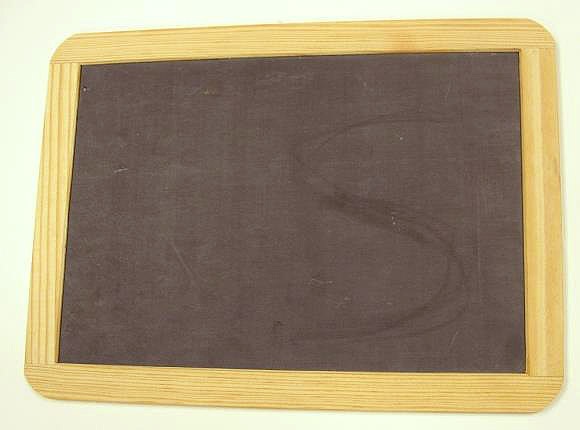
Slate
During the 1800s and 1900s, many children used slates at school while practicing math or handwriting. A student can use a slate over and over again by writing on it with chalk and wiping it clean with a cloth. Slates were cheap and effective substitutes for paper.
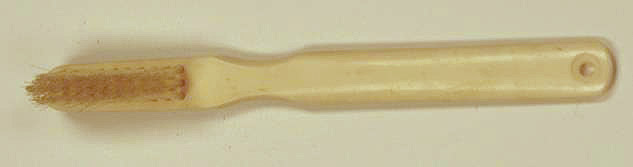
Toothbrush
Dentists were few and far between, so pioneers had to take good care of their teeth.
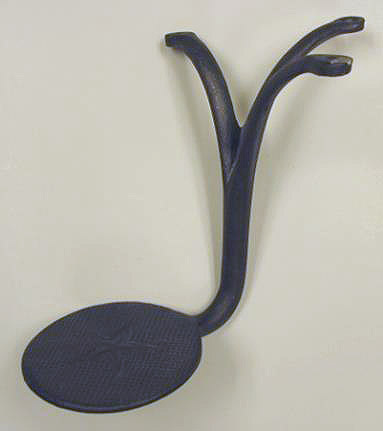
Wagon Step
Even though cars were available in the late 1800s and early 1900s, very few people owned one. Wagons were an important means of transportation for pioneers. They used wagons in the land run, for trips to town or to a neighbor’s house, and for transporting goods. Wagons have large wheels and they sit high off the ground. This metal step fastened to the side of the wagon and helped people climb in.
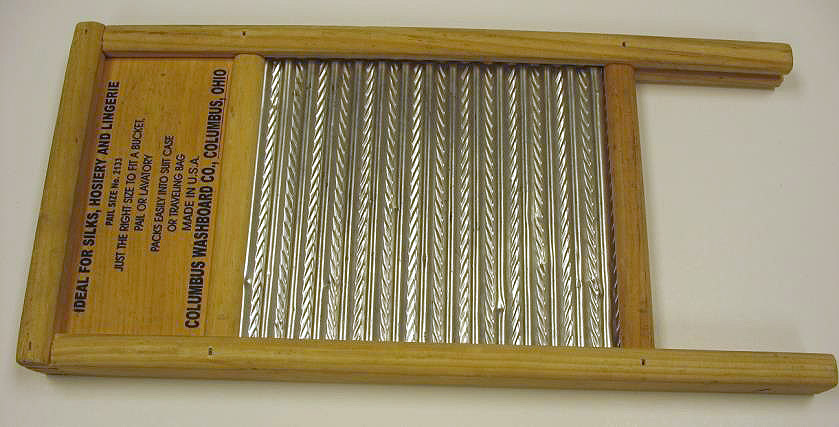
Washboard
Pioneer life was very dirty, but it was important to try to keep things as clean as possible. Before the invention of the washing machine, people washed their clothes by hand in washtubs. They used washboards and homemade soap to help remove stubborn stains from dirty clothes. However, they usually kept scrubbing to a minimum because it made the clothes wear out faster. This scrub board is a newer type suitable for hosiery and lingerie, but it is similar to what pioneers would have used.
Other Materials
Laminated Maps
These maps show early Oklahoma Territory. You may display them in your classroom or use them for a mapping activity.
Box of Large Photographs
These photos are excellent visual aids depicting land runs and pioneer life. You may display them in the classroom or use them for a discussion activity. See the section entitled “Using Primary Sources” for ideas.
Mr. Sears’ Catalog DVD
This DVD has a program produced by The American Experience on PBS. This provides many insights into the lives of pioneer families who were isolated on the prairies, far from big stores. This video can be used to accompany the learning activity called “Ordering from the Sears Catalog.”
Doc Isbell Horse-Drawn Farm Equipment DVD
This is a rare film of horse-drawn farm equipment in use.