Oklahomans and Space Trunk
The Oklahomans and Space trunk has a variety of hands-on items, activities, and materials for classroom use.
Trunk Topics Request a Trunk Checkout Process
Space Suit
While not a true replica, this space suit serves as an example of an Apollo space suit. Most space suits have many layers and interlocking parts, so the astronaut is not exposed to the harsh, unlivable conditions of space. Space suits are white to reflect the sun’s heat off the astronaut. This space suit has “Stafford” on the front; General Thomas Stafford is one of Oklahoma’s astronauts who flew on both Gemini and Apollo missions.

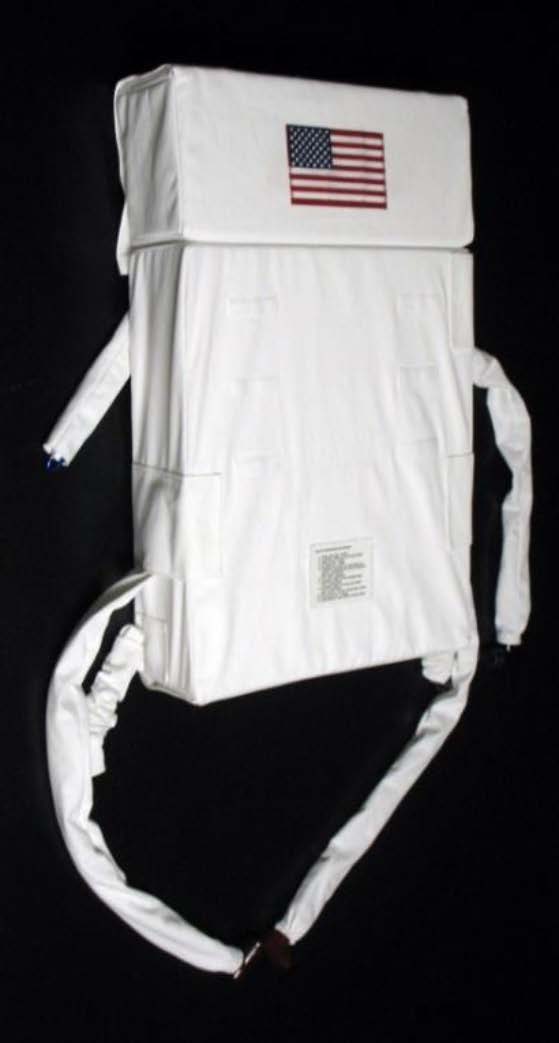
Life Pack, or PLSS
This pack, worn like a backpack, is called the Primary Life Support Subsystem. Astronauts wear it on space walks. The pack removes and stores the astronaut's exhaled carbon dioxide and provides oxygen from an oxygen tank. It also has a battery, a two-way radio, a fan to circulate oxygen, and water-cooling equipment. The tubes that connect to the suit are called umbilicals.
There are two parts to the life pack in the trunk. The rectangular Styrofoam piece will Velcro into the top of the Life Pack.
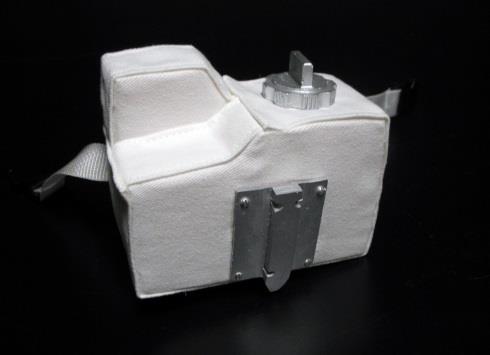
Display and Control Module
This is meant to imitate the module astronauts use to operate the systems in their Primary Life Support Subsystem. It is worn on the front of the suit on the astronaut’s chest so he or she can reach the controls.
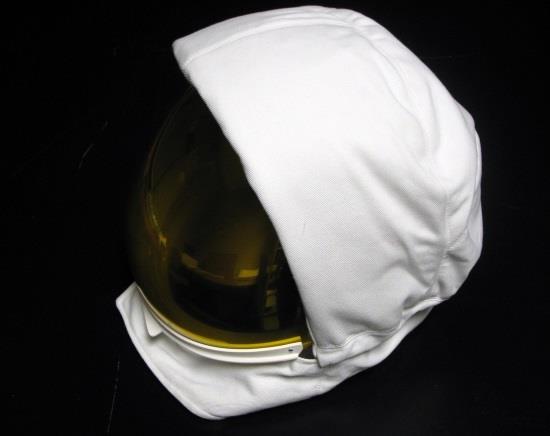
Helmet
This helmet’s gold-coated visor filters harmful UV rays from the sun. The helmet protects the astronaut’s head from the extreme conditions of space, while allowing him or her to see. A real space suit would have an interlocking part that connects the helmet to the suit’s body.
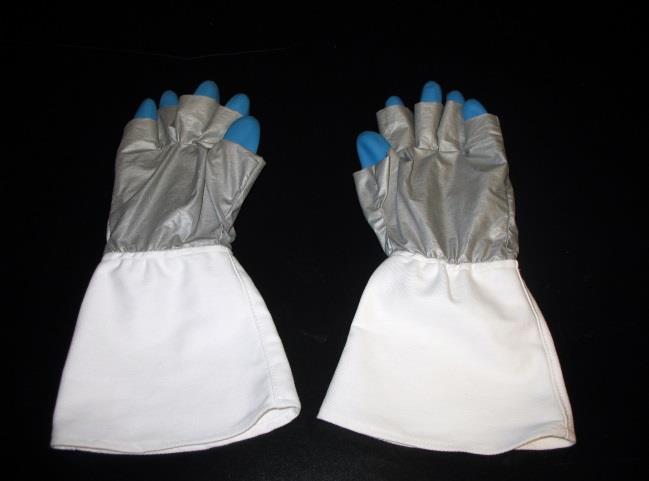
Gloves
Space suit gloves are designed to protect the astronaut from the extreme conditions of space while allowing the astronaut to move their hands and fingers to make repairs and perform other work. The actual space suits have an interlocking part to connect the glove to the suit to ensure the gloves do not come off.
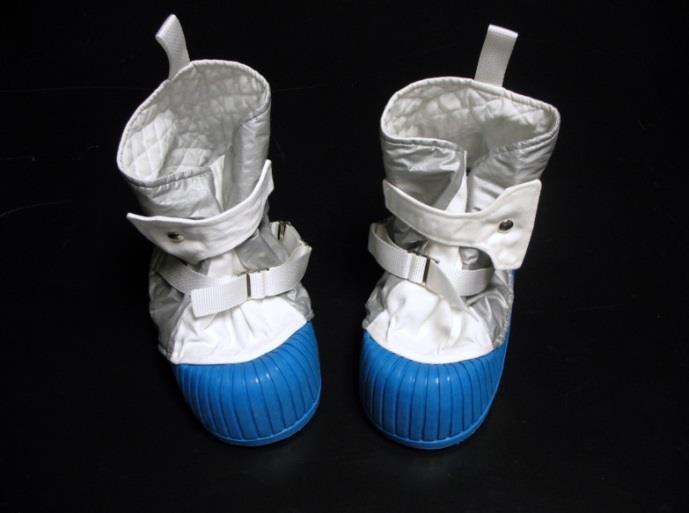
Boots
Boots protect the astronaut’s feet. The Apollo space suits are also designed so astronauts can walk on the Moon!
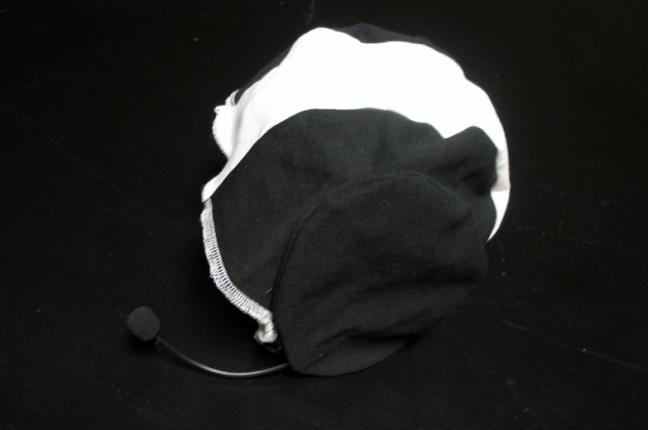
Snoopy Cap, or CCA
The Communications Carrier Assembly (CCA) is commonly called the “Snoopy Cap” because of its black sides that look like dog ears, resembling the famous Peanuts cartoon character. This cap is worn under the helmet and contains earphones and a microphone that allow the astronaut to communicate with other astronauts and mission control.
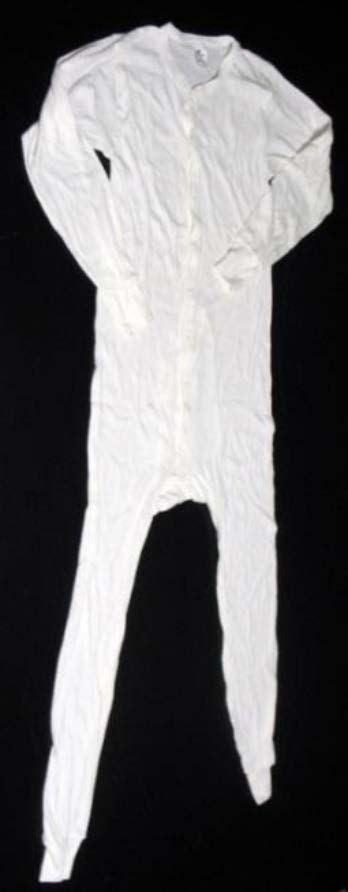
Long Johns
Astronauts wear long johns to keep warm. Later astronauts wore a Liquid Cooling Garment, or LCG. The LCG is a pair of long johns with plastic tubing that carries flowing water. The water would help keep the astronaut cool. The astronaut could control the rate of water flow to maintain a comfortable temperature.
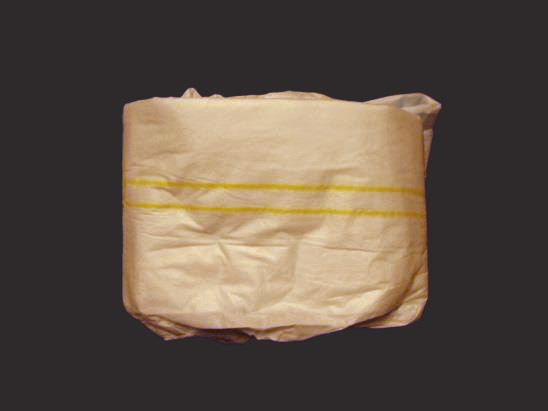
Maximum Absorption Garment
Especially in earlier space suits, astronauts wore a maximum-absorption garment, or adult diaper, under their suits. They may be in their suits for long periods, and early spacecraft did not have a restroom.
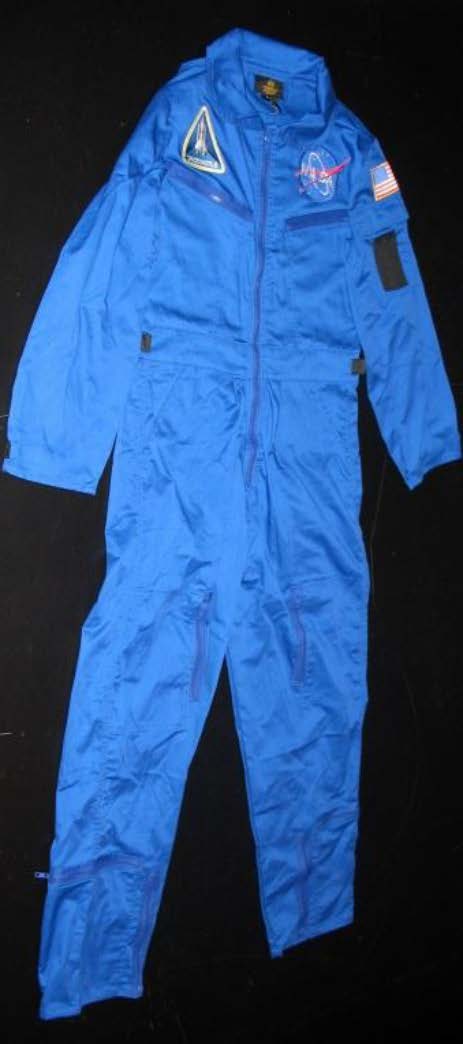
Flight Suit
A flight suit like this one is worn inside the spacecraft, where the astronaut is already protected from space conditions.
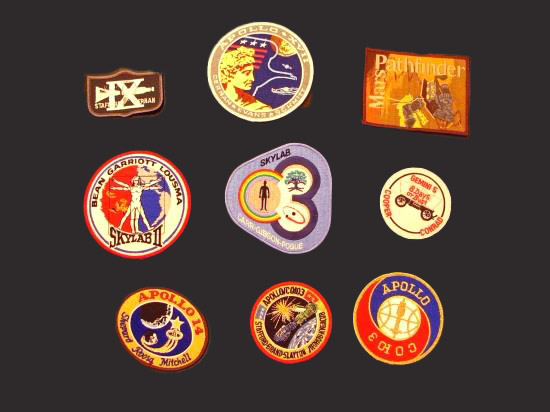
Mission Patches
Mission patches are sewn onto the astronaut suit, flight suit, and other clothing. The patches identify the mission and the astronauts flying on that mission. Often, patch designs use symbolism to describe the goals of the mission.
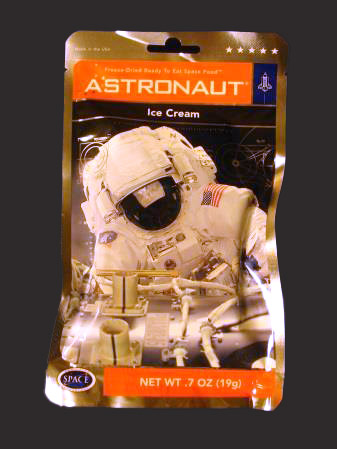
Space Food
Astronaut food cannot take up a lot of room, and must not produce crumbs that will float around and get caught in controls or equipment. Often, food like this is dehydrated. Water is added to the dehydrated food to make it more like regular food.
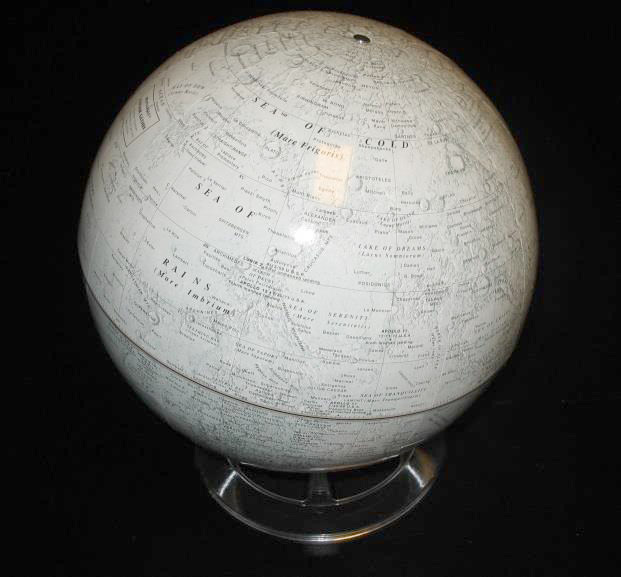
Moon Globe
The official portraits of many astronauts include a Moon globe as a prop. You can take your official astronaut portrait with this globe! This globe includes the landing sites of Apollo 11, 12, and 14. Can you find them? Hint: They are close to the equator.
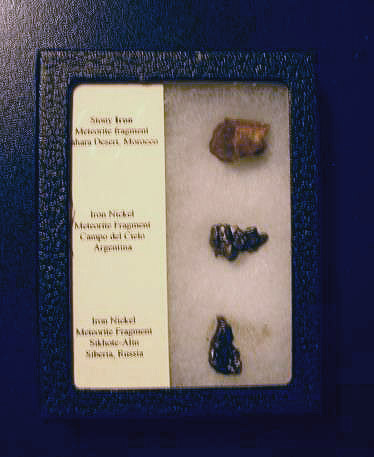
Meteorite Fragments
Meteorites are meteors that landed on Earth’s surface. These meteorites were found in Morocco, Argentina, and Russia. Please do not remove the meteorites from the box.
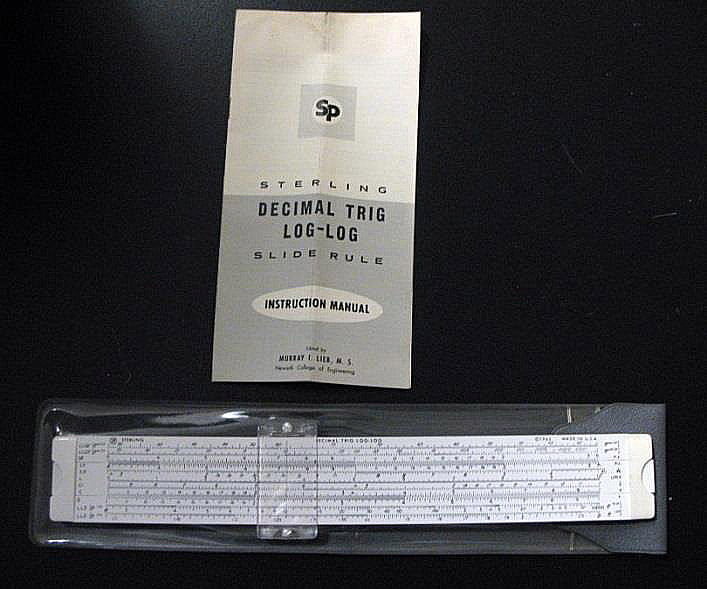
Slide Rule
Pilots and astronauts used slide rules to perform calculations before computers were available. Slide rules help with multiplication, division, and solving equations in calculus. This slide rule comes in a case with a manual.
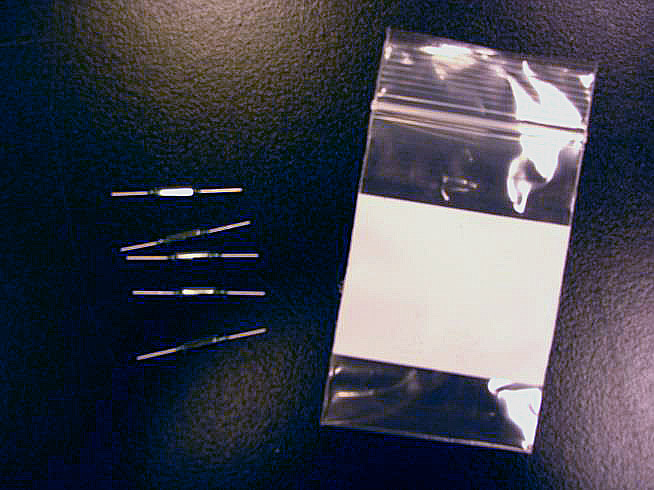
Reed Switches (in bag)
Reed switches are electrical switches that operate by magnetic forces. HSI Sensing, a company in Chickasha, Oklahoma, manufactures these reed switches. NASA uses switches produced by HSI Sensing in astronaut suits. This is an example of Oklahoma’s leading role in the aeronautics industry. Companies like North American in Tulsa and Dorsett Electronics in Norman manufactured products for NASA and helped build Oklahoma’s economy. Many companies in Oklahoma, such as HSI Sensing, continue to produce products for NASA. *These are fragile! Please keep it inside the bag.
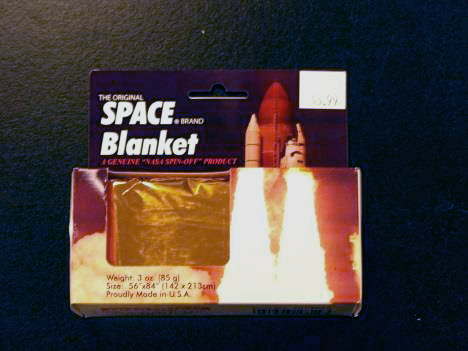
Space Blanket
NASA developed this material, which is used as a thin insulation for rockets. It was first used on the base of the Apollo lunar landing vehicles. It was designed to be lightweight while also protecting the spacecraft from the extreme temperatures in space. Today, space blankets like this one are sold for use in first aid kits to prevent hypothermia. This is an example of a NASA innovation that has contributed to new knowledge and products used here on Earth.
Harmonica and Jingle Bells
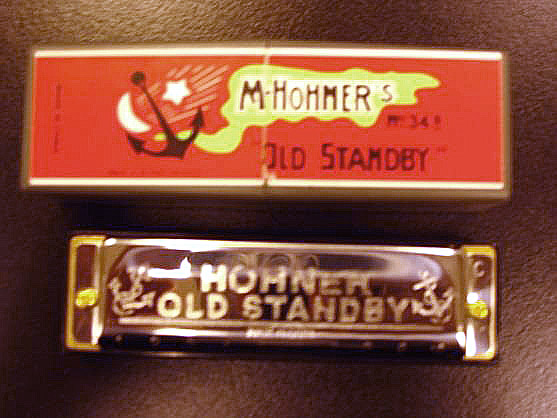
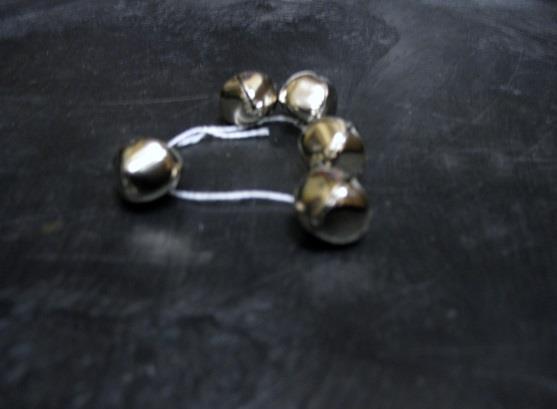
Harmonicas like these are small items astronauts carry with them to entertain themselves.
Thomas Stafford and Walter Schirra were in space on Christmas Eve and Christmas Day in 1965. They played the song “Jingle Bells” on the harmonica and bells over the mission control radio. You can hear this on the included “To the Moon” CD on Track 3.
Deck of Playing Cards
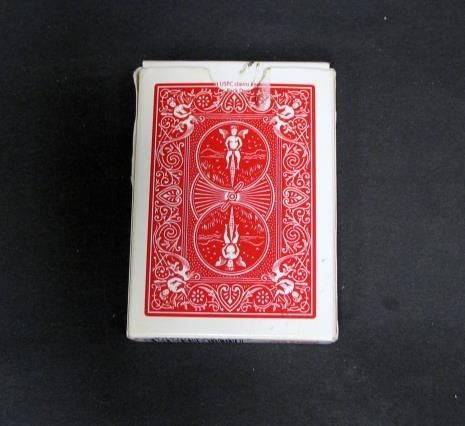
Astronauts bring small items like playing cards to pass the time.
Miniature Oklahoma Flag
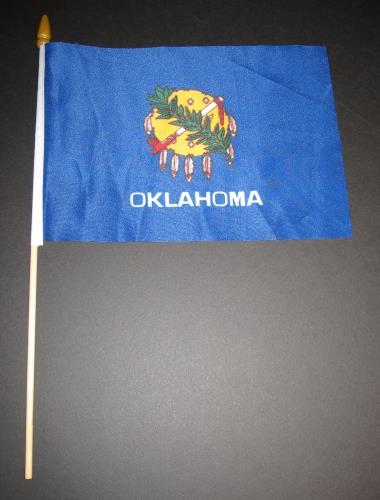
Thomas Stafford carried a miniature Oklahoma flag like this one with him on Apollo 10. It was the first state flag flown around the Moon. Afterward, it was decided that if one state flag is carried on board, all state flags must included.
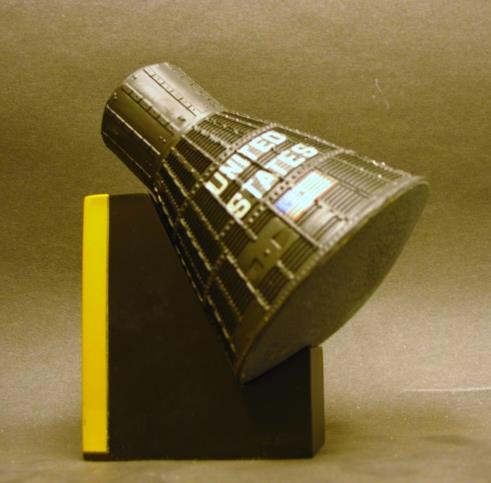
Mercury Friendship 7 Space Capsule Model
This is a 1/25 scale model of one of the Mercury space capsule flown by John Glenn. Each Mercury astronaut named his own capsule and included the number 7 to symbolize the seven astronauts selected for the Mercury program. Oklahoman Leroy Gordon Coope named his capsule Faith 7. The Faith 7 is similar to this model. All of the Mercury capsules carried only one person. This item is fragile! Please handle with care.
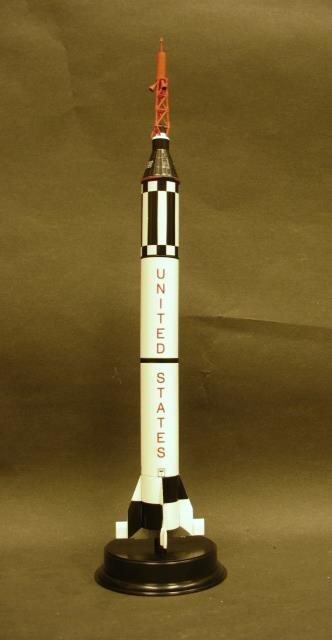
Redstone Rocket Model
This is a 1/72 scale model of the Redstone Rocket that carried two of the Mercury space capsules into space. This item is fragile! Please handle with care.
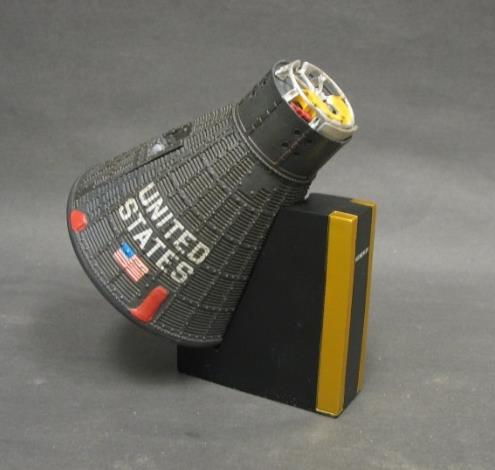
Gemini IV Capsule Model
This is a 1/25 scale model of the Gemini IV space capsule. Notice the difference between the Mercury model and the Gemini model. The Gemini model carried two astronauts instead of one. The Gemini IV capsule was flown by James McDivitt and Edward White. Oklahoma astronaut Thomas Stafford flew in the Gemini VIA, a space capsule similar to this model, with fellow astronaut Walter Schirra. This item is fragile! Please handle with care.
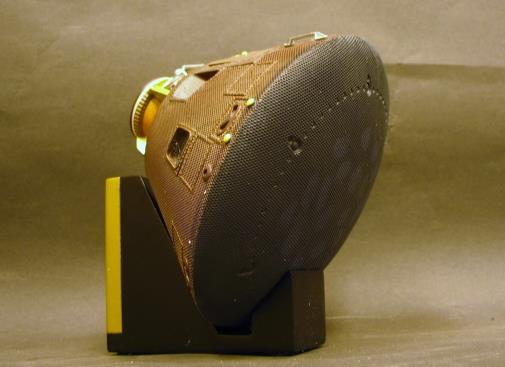
Apollo 11 Command Module Mode
This is a 1/25 scale model of the Apollo 11 Command Module. The Command Module (CM) separates from the Lunar Module (LM) and orbits the Moon while the LM lands on the Moon. During normal spaceflight to or from the moon, the Command Module carries the flight crew, operational systems, and reentry equipment. Oklahoma astronaut Stuart A. Roosa served as the Command Module pilot for Apollo 14, which is similar to this Apollo 11 model. This item is fragile! Please handle with care.
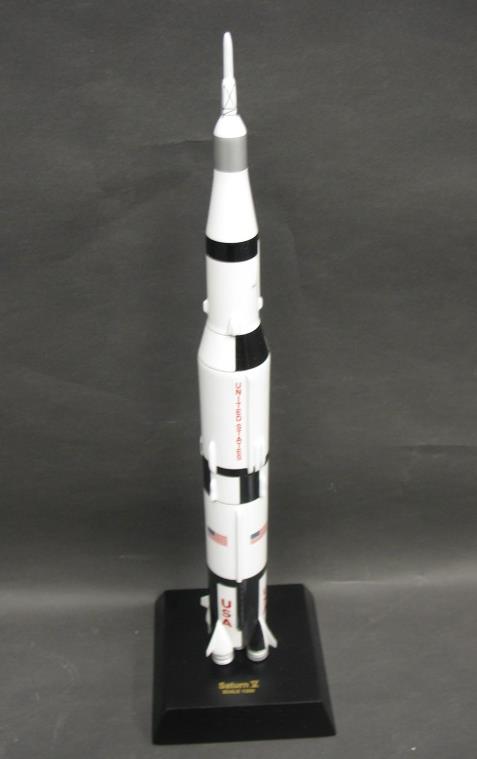
Saturn V Rocket Model
This is a 1/200-scale model of the Saturn V. The Saturn V rocket was used during the Apollo missions. The real Saturn V was as tall as a 36-story building and weighed the same as about 400 elephants! Oklahomans Thomas Stafford, Fred Haise, and Stuart Roosa were astronauts on Apollo missions. This item is fragile! Please handle with care.
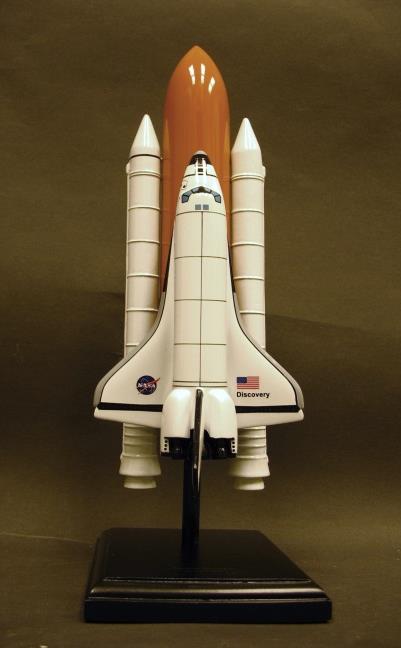
Space Shuttle Discovery Model
This is a 1/200 scale model of the Space Shuttle Discovery. Shannon Lucid, an Oklahoma astronaut, traveled to space in the Space Shuttle Discovery STS-51G. This item is fragile! Please handle with care.
Inflatable Solar System
Please use the provided air pump to inflate the objects, and fully deflate them before returning.
CDs and DVDs
This trunk also contains several books, DVDs, and CDs. These are just a few of the items included:
- “To The Moon” CD - This includes five tracks of excerpts from the “To The Moon” audio program that follows the US space program through the Moon landing. It includes actual audio from inside the spacecraft and communications with mission control. The five tracks feature Oklahoma astronauts Leroy Gordon Cooper and Thomas Stafford.
- The Planets by Gustav Holst CD - Use this as background music during students’ individual work time or with the activity.
- NASA: The 25th Year DVD (1994) - This 55-minute video, developed by NASA, traces the history of the United States space program from the 1950s to the 1990s.