Historical Marker Program
Search Results
Your search returned 3 results.
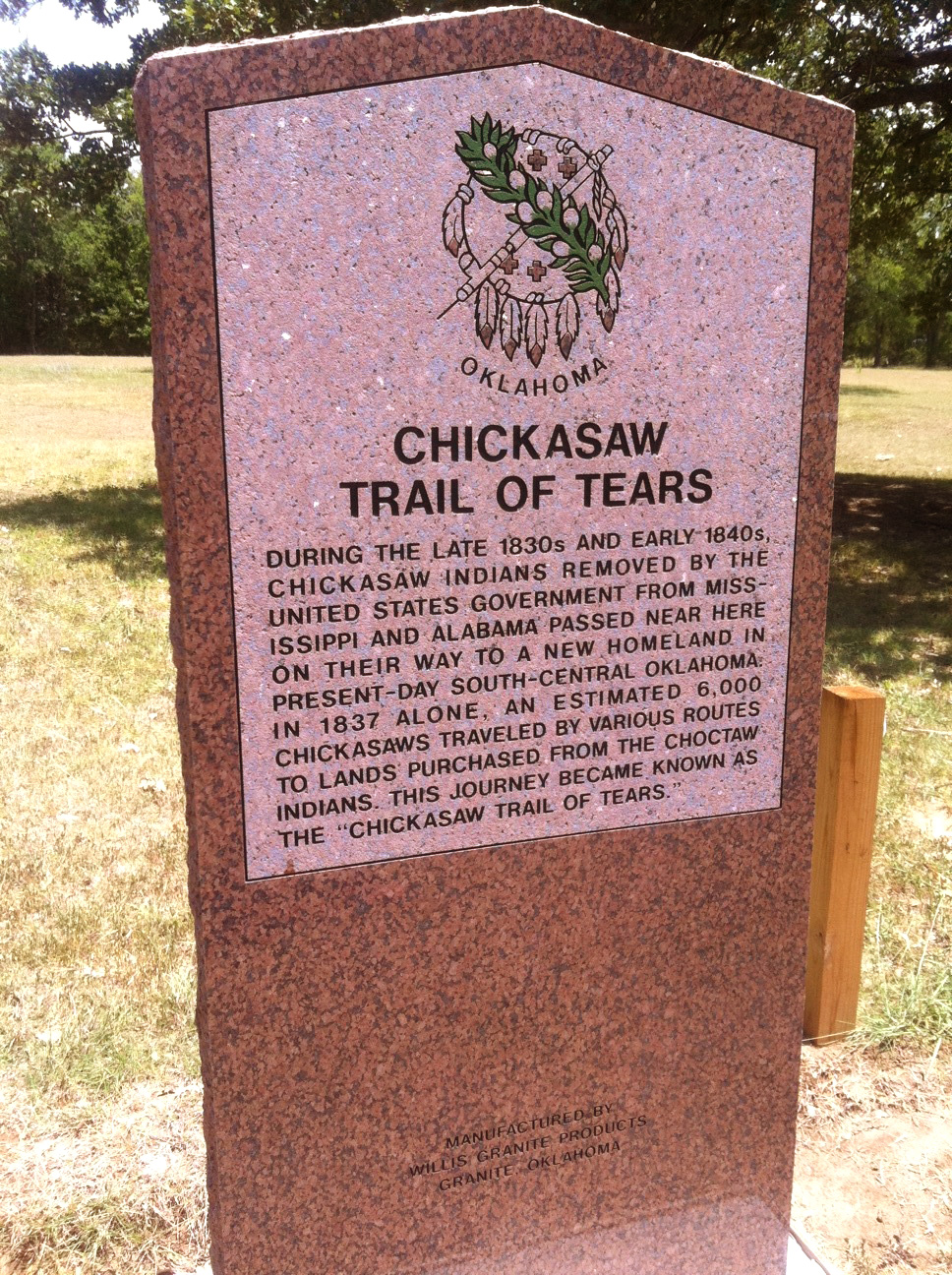
Chickasaw Trail of Tears
McCurtain CountyLocation: on US Hwy 70 between Broken Bow and Arkansas state line
Topics: American Indians; Government; Settlement Patterns; Transportation; Westward Expansion, 1803–1861
During the late 1830s and early 1840s, Chickasaws removed by the United States government from Mississippi and Alabama passed near here on their way to a new homeland in present-day south-central Oklahoma. In 1937 an estimated 6,000 Chickasaws traveled by various routes to lands purchased from the Choctaws. This journey became known as the Chickasaw Trail of Tears.
View image
Choctaw Trail of Tears
McCurtain CountyLocation: at a point on US Hwy 70 near Broken Bow, Oklahoma
Topics: American Indians; Government; Settlement Patterns; Social/Cultural; Transportation; Westward Expansion, 1803–1861
During the early 1830s, Choctaw Indians removed by the United States government from Mississippi passed near here on their way to new homes in present-day Oklahoma. An estimated 15,000 Choctaws traveled by steamboat, wagon, and on foot to Oklahoma. Approximately one-quarter of the tribe perished from cold, disease, and starvation during the removal journey. This journey became known as the "Choctaw Trails of Tears.
Trail of Tears
Okmulgee CountyLocation: on grounds of historic Creek Council House in Okmulgee
Coordinates: 35.622549, -95.972145
Material: Aluminum
Sponsor(s): Alabama Tennessee Trail of Tears Corridor Association, Inc.
Topics: American Indians; Military; Westward Expansion, 1803–1861
During 1836-37, the US government forcibly removed about 14,000 Muscogees (Creeks) from Alabama and Georgia to Indian Territory. They were marched under harsh conditions, resulting in the deaths of about 4,000 individuals. All routes for removal ended at Fort Gibson, where the Creeks then moved into the current Muscogee (Creek) Nation boundaries.

View image
(Page 1 of 1)
Marker Search
Use quotation marks to search for an exact phrase.
Browse by County
Adair County
Alfalfa County
Atoka County
Beaver County
Beckham County
Blaine County
Bryan County
Caddo County
Canadian County
Carter County
Cherokee County
Choctaw County
Cimarron County
Cleveland County
Comanche County
Cotton County
Craig County
Creek County
Custer County
Delaware County
Dewey County
Ellis County
Garfield County
Garvin County
Grady County
Grant County
Greer County
Harmon County
Harper County
Haskell County
Hughes County
Jackson County
Jefferson County
Johnston County
Kay County
Kingfisher County
Kiowa County
Latimer County
Le Flore County
Lincoln County
Logan County
Love County
Major County
Marshall County
Mayes County
McClain County
McCurtain County
McIntosh County
Murray County
Muskogee County
Noble County
Nowata County
Okfuskee County
Oklahoma County
Okmulgee County
Osage County
Ottawa County
Pawnee County
Payne County
Pittsburg County
Pontotoc County
Pottawatomie County
Pushmataha County
Roger Mills County
Rogers County
Seminole County
Sequoyah County
Stephens County
Texas County
Tillman County
Tulsa County
Wagoner County
Washington County
Washita County
Woods County
Woodward County
Alfalfa County
Atoka County
Beaver County
Beckham County
Blaine County
Bryan County
Caddo County
Canadian County
Carter County
Cherokee County
Choctaw County
Cimarron County
Cleveland County
Comanche County
Cotton County
Craig County
Creek County
Custer County
Delaware County
Dewey County
Ellis County
Garfield County
Garvin County
Grady County
Grant County
Greer County
Harmon County
Harper County
Haskell County
Hughes County
Jackson County
Jefferson County
Johnston County
Kay County
Kingfisher County
Kiowa County
Latimer County
Le Flore County
Lincoln County
Logan County
Love County
Major County
Marshall County
Mayes County
McClain County
McCurtain County
McIntosh County
Murray County
Muskogee County
Noble County
Nowata County
Okfuskee County
Oklahoma County
Okmulgee County
Osage County
Ottawa County
Pawnee County
Payne County
Pittsburg County
Pontotoc County
Pottawatomie County
Pushmataha County
Roger Mills County
Rogers County
Seminole County
Sequoyah County
Stephens County
Texas County
Tillman County
Tulsa County
Wagoner County
Washington County
Washita County
Woods County
Woodward County
To find out more about the Oklahoma Historical Society Historical Marker Program or how to submit an application, please visit the Historical Marker Program page.
Missing or Damaged Markers
Please use our online form to report missing or damaged historical markers.
Report Missing or Damaged Markers
Contact Us
If you have questions, please contact:
Matthew Pearce
Oklahoma Historical Society
800 Nazih Zuhdi Drive
Oklahoma City, OK 73105
405-522-8659
[email protected]